Skip to content

The world of textiles is vast and varied, with countless fabrics offering unique properties and aesthetics. However, sometimes a single fabric doesn’t provide the desired characteristics, leading to the innovation of fabric blends. By combining two or more types of fibers, fabric blends aim to optimize the best qualities of each material. Let’s delve into the advantages and common uses of blended fabrics.
1. Why Blend Fabrics?

Blending fabrics is not just a matter of combining different materials; it’s about enhancing the performance, feel, and appearance of textiles. By merging the strengths of various fibers, manufacturers can create fabrics that outperform their individual components.
2. Advantages of Fabric Blends:
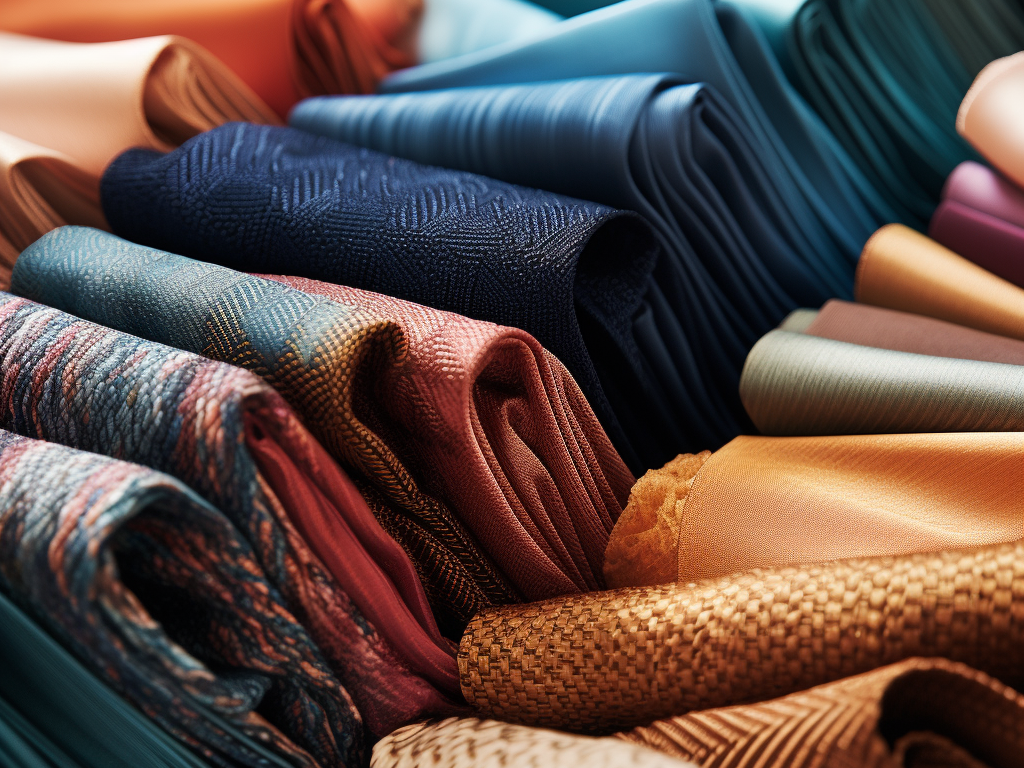
- Durability: Blending can enhance the strength and longevity of a fabric. For instance, adding polyester to cotton can make the resulting fabric more resistant to wear and tear.
- Cost-Effectiveness: Some natural fibers, like silk or cashmere, can be expensive. Blending them with more affordable fibers can reduce costs while maintaining some of the luxurious qualities.
- Moisture Management: Fabrics like cotton are absorbent, but they can also retain moisture. By blending with synthetic fibers, the fabric can wick moisture away, making it suitable for activewear.
- Wrinkle Resistance: Natural fibers tend to wrinkle easily. Blending them with synthetics can reduce this tendency, decreasing the need for frequent ironing.
- Versatility: Blended fabrics can be designed to suit specific purposes, from stretchy sportswear to soft bed linens.
3. Common Fabric Blends and Their Uses:

- Cotton-Polyester: This is perhaps the most common blend, known for its durability, easy care, and affordability. It’s widely used in everyday clothing, bed linens, and curtains.
- Wool-Silk: Combining the warmth of wool with the softness and sheen of silk, this blend is often found in high-end suits and dresses.
- Lycra-Cotton: This blend offers the breathability of cotton with the stretch of Lycra, making it perfect for activewear and fitted garments.
- Linen-Cotton: This blend captures the coolness of linen and the comfort of cotton, ideal for summer wear.
4. Caring for Blended Fabrics:
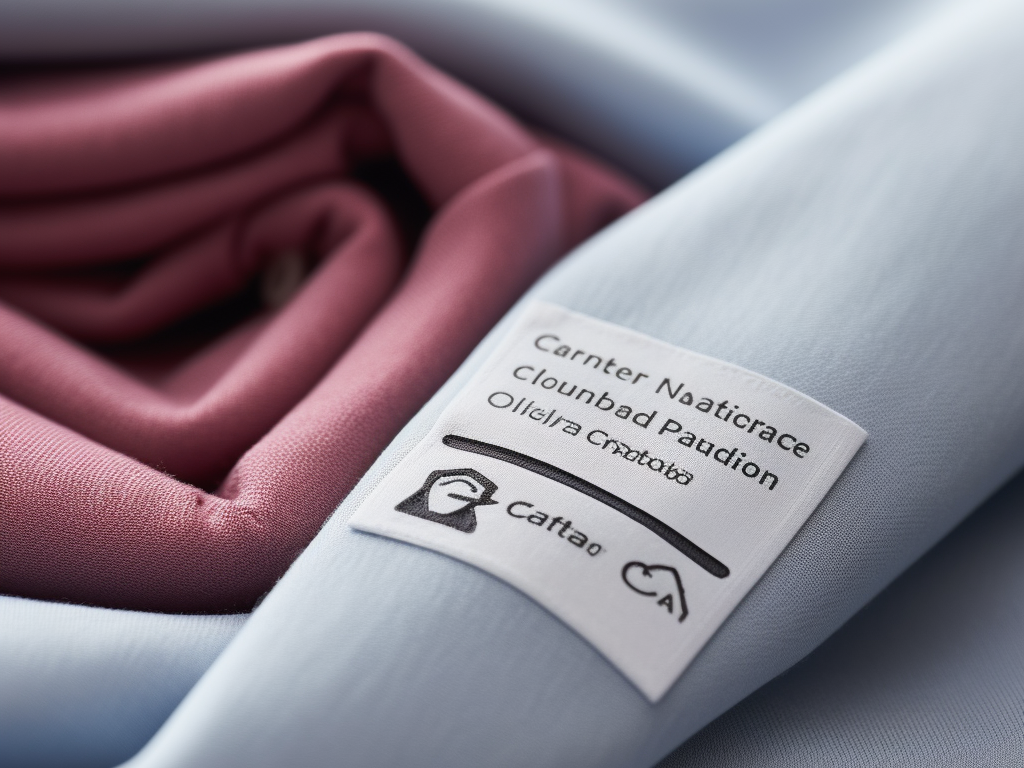
While blended fabrics often inherit the best qualities of their components, they can also inherit their care requirements. It’s essential to read care labels carefully. For instance, a wool-silk blend might require gentle washing or dry cleaning.
5. The Future of Fabric Blends:

With advancements in textile technology, the future holds even more possibilities for innovative blends. From incorporating sustainable fibers to blending fabrics for specific technological purposes (like UV protection or antibacterial properties), the potential is vast.
Conclusion:
Fabric blends are a testament to the textile industry’s innovation, offering solutions that individual fibers can’t achieve on their own. As consumer needs evolve and technology advances, blended fabrics will continue to play a pivotal role in meeting the demands of comfort, functionality, and aesthetics.