Skip to content
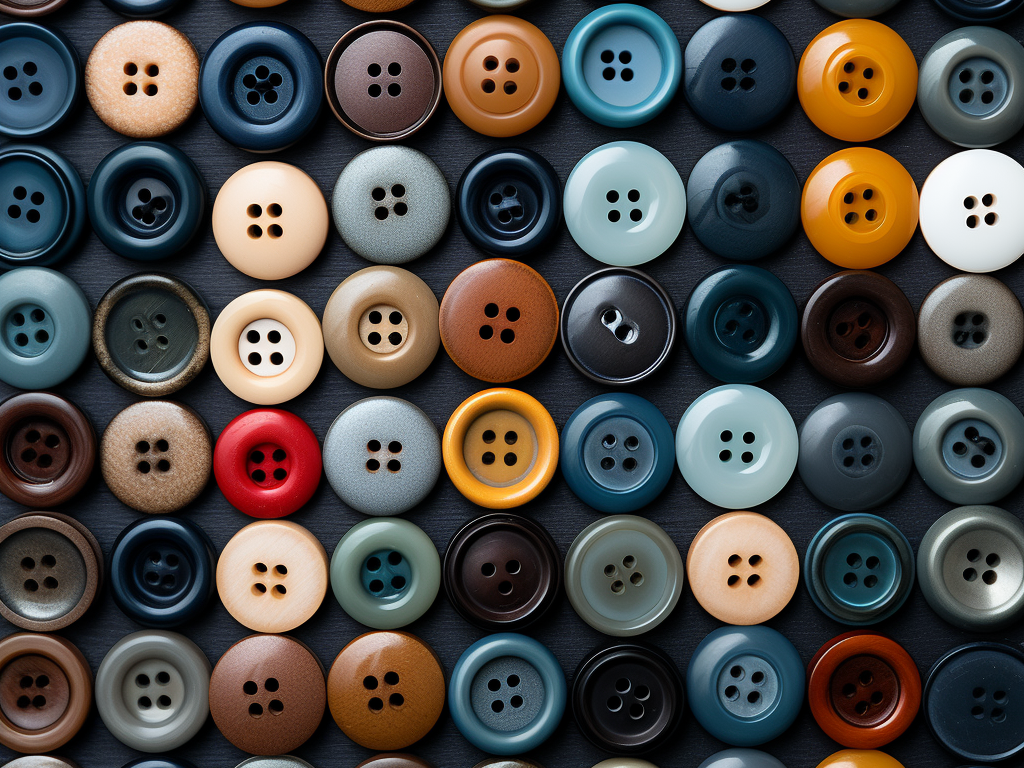
Buttons may seem like small, inconspicuous details on clothing, but their importance cannot be overstated. They serve both a functional and decorative purpose, adding a touch of style and securing garments in place. However, not all buttons are created equal. From classic plastic or metal buttons to trendy fabric-covered or novelty buttons, the options are endless.
In this comprehensive guide, we will delve into the world of buttons, exploring the different types commonly found in clothing. Whether you are a fashion enthusiast looking to expand your knowledge or a clothing designer seeking the perfect button for your latest creation, this article has got you covered.
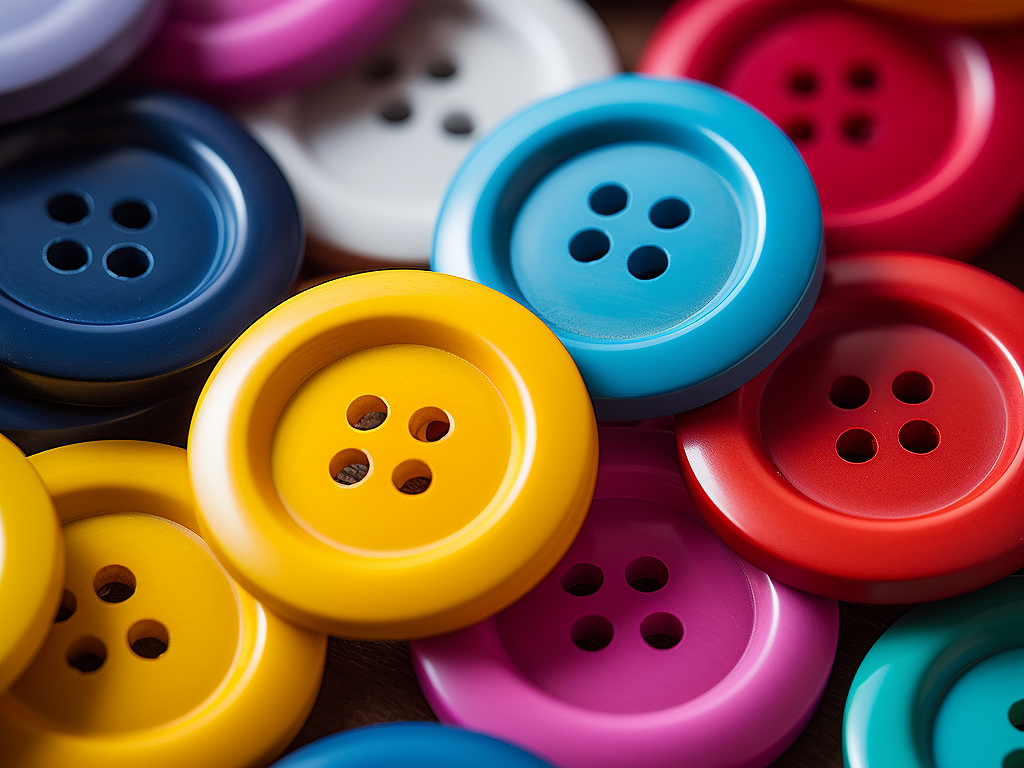
We will discuss the various materials used for buttons, such as plastic, metal, wood, and fabric, highlighting their unique characteristics and best uses. Additionally, we will explore different button shapes, sizes, and finishes, showcasing how these factors can elevate the overall look of a garment.
So, if you have ever wondered about the nuances of buttons in clothing, join us on this button journey and discover the fascinating world that lies beneath these seemingly small details.
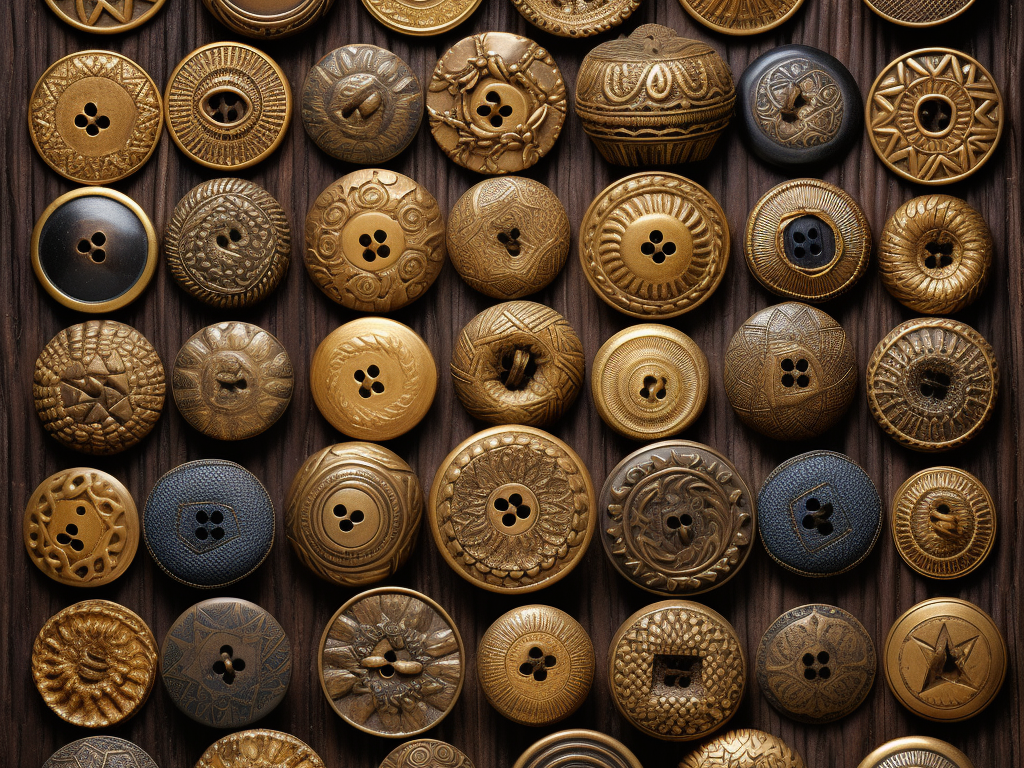
Buttons have been used for centuries, dating back to ancient civilizations such as Egypt and Rome. Initially, buttons were purely functional, used to fasten garments together. However, as fashion evolved, buttons became more ornate and decorative, symbolizing wealth and status. In the 18th and 19th centuries, buttons reached their peak in terms of design and craftsmanship, with intricately carved and embellished buttons adorning the clothing of the elite.
As the industrial revolution took hold, buttons became more accessible to the masses, with mass production techniques making them more affordable. Today, buttons are available in a wide range of materials, styles, and sizes, catering to various fashion preferences and practical needs.
Button styles and types
Buttons come in a variety of styles and types, each offering a unique aesthetic and functionality. Let’s explore some of the most common ones:
1. Shank Buttons: These buttons have a loop or shank on the back instead of holes. The shank allows the button to sit slightly away from the fabric, making it ideal for thicker materials or garments that require a more elevated look. Shank buttons can be made from various materials, including plastic, metal, or fabric-covered.
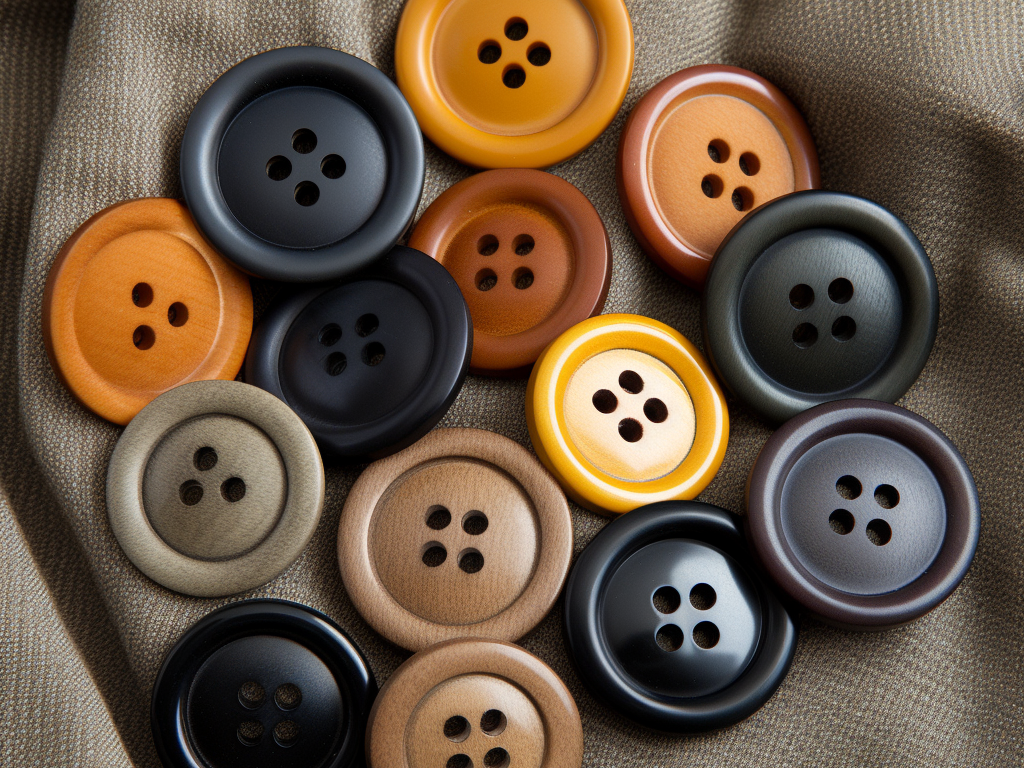
2. Sew-Through Buttons: As the name suggests, these buttons have holes through which thread is sewn to attach them to the fabric. Sew-through buttons are versatile and widely used in various garment types. They come in different shapes, sizes, and finishes, allowing for endless design possibilities.
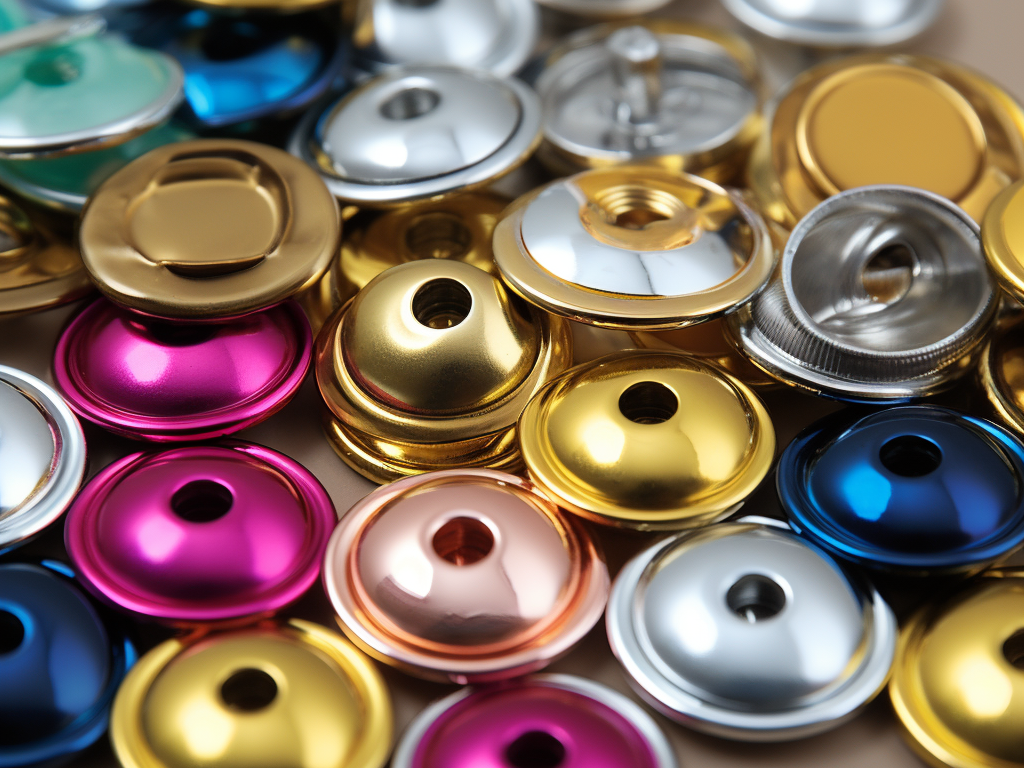
3. Snap Buttons: Snap buttons, also known as press studs or fasteners, consist of two separate parts that snap together when pressed. They are commonly used in items that require quick and easy fastening, such as shirts, jackets, and accessories. Snap buttons provide a secure closure and are available in different sizes and materials.
Buttons can be made from a wide range of materials, each with its own unique characteristics and advantages. Here are some of the common materials used:
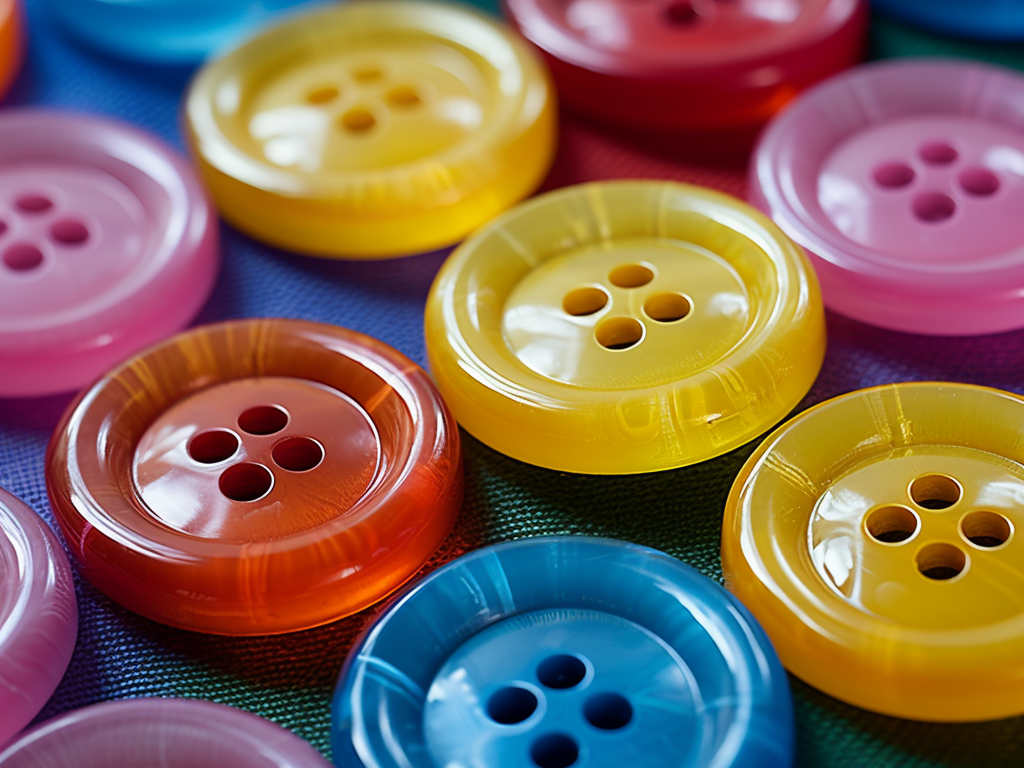
1. Plastic Buttons: Plastic buttons are lightweight, affordable, and available in a vast array of colors and styles. They are commonly used in casual and everyday garments, as well as children’s clothing. Plastic buttons can be easily cleaned and are resistant to moisture, making them a practical choice.
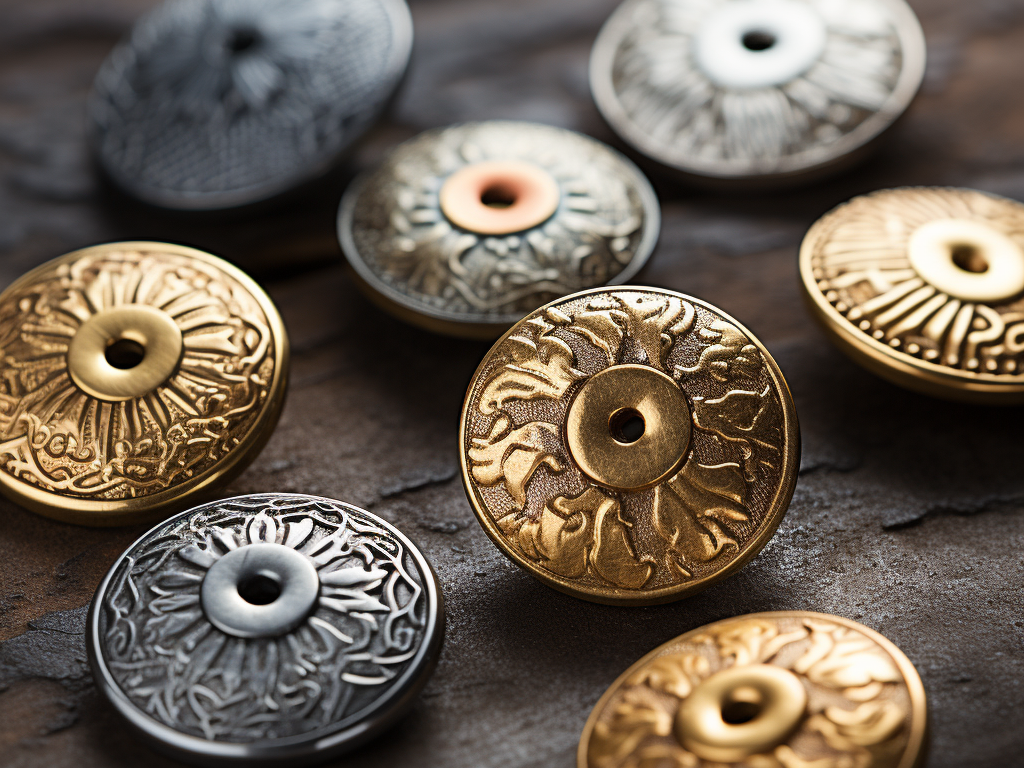
2. Metal Buttons: Metal buttons offer durability and a classic, timeless look. They can be made from various metals, such as brass, stainless steel, or pewter, and come in different finishes, including shiny, matte, or antiqued. Metal buttons are often used in formalwear or high-end fashion pieces.
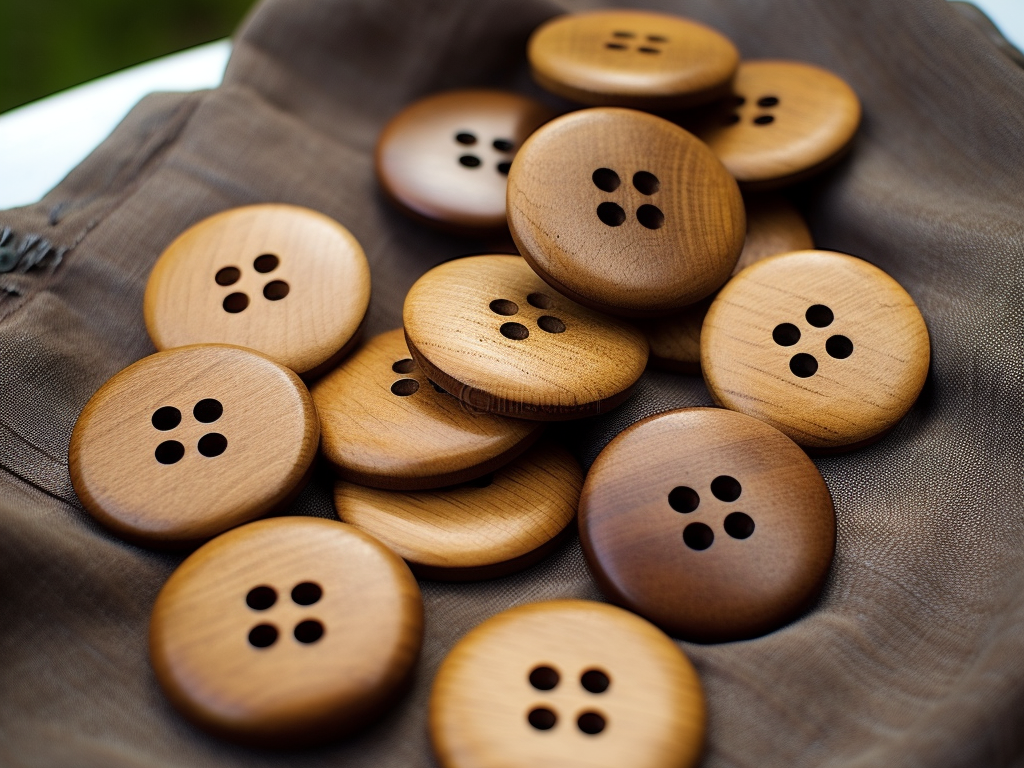
3. Wood Buttons: Wood buttons add a rustic and natural touch to garments. They are lightweight and environmentally friendly, making them a popular choice for sustainable and eco-friendly fashion. Wood buttons can be left in their natural state or dyed to achieve different colors.
Button sizes and measurements
Button sizes and measurements can vary depending on the garment and its intended use. Here are some general guidelines:
1. Diameter: Button diameter is measured across the widest point of the button. Common sizes range from 10mm to 25mm, with smaller buttons used for delicate fabrics and larger buttons for heavier materials.
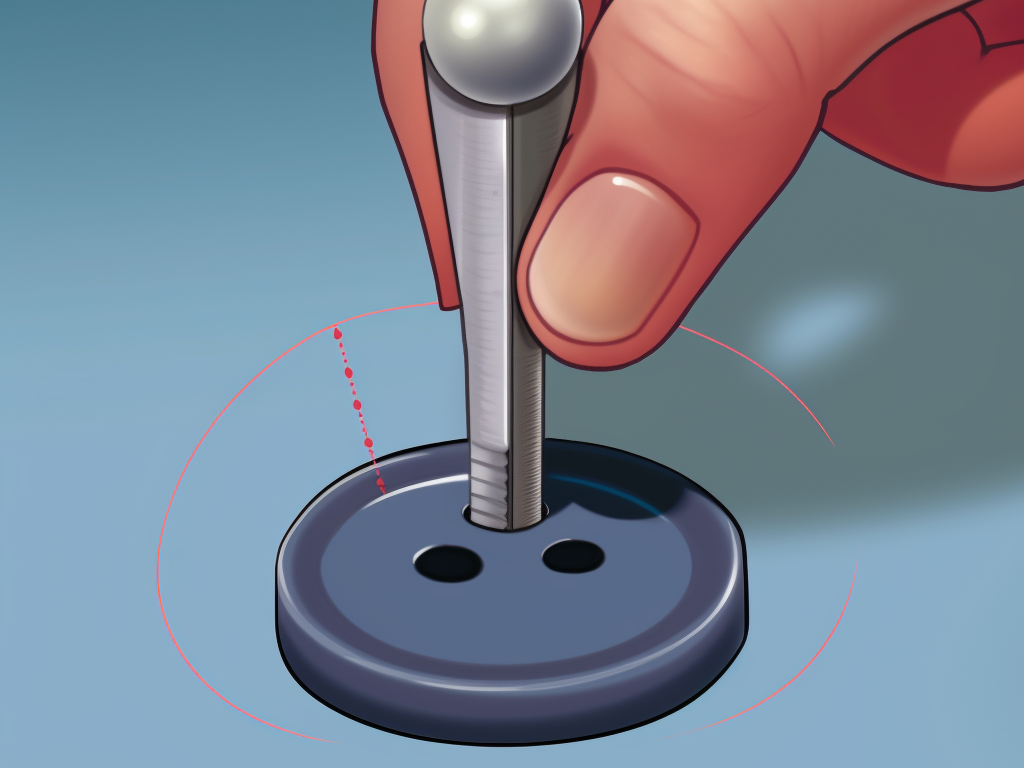
2. Thickness: Button thickness is measured from the highest point of the button to the back. Thicker buttons are suitable for thicker fabrics or garments that require a more pronounced button.
3. Hole Size: For sew-through buttons, the hole size is essential to ensure a proper fit. The hole should be large enough to accommodate the thread but not too loose, as it may cause the button to wobble or come loose.
Button placement and functionality
The placement of buttons on a garment can have both functional and aesthetic implications. Here are some key considerations:
1. Button Spacing: The spacing between buttons should be proportionate to the garment’s design and fit. Buttons that are too close together can cause pulling or puckering, while buttons that are too far apart may result in gaps.
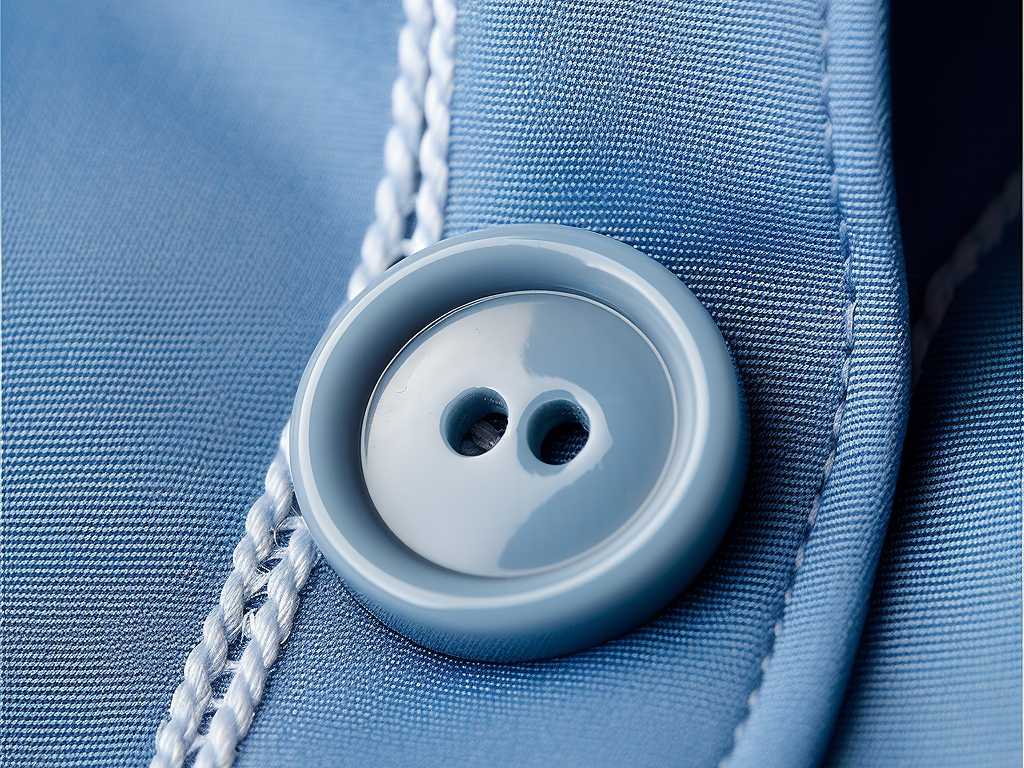
2. Button Alignment: Buttons should be aligned vertically and horizontally to maintain a neat appearance. Misaligned buttons can give the impression of poor craftsmanship or a haphazard design.
3. Button Functionality: Buttons can serve different functions, such as fastening, decorative, or both. Consider the purpose of the button when selecting its style and placement. For example, functional buttons on a shirt should be easy to open and close, while decorative buttons on a dress may be purely ornamental.
Button fastening methods
Buttons can be fastened using various methods, depending on the button type and garment design. Here are some common fastening methods:
1. Buttonholes: Buttonholes are small openings in the fabric that accommodate the button. They can be created using a sewing machine or hand-stitched. Buttonholes should be reinforced to prevent fraying or stretching.
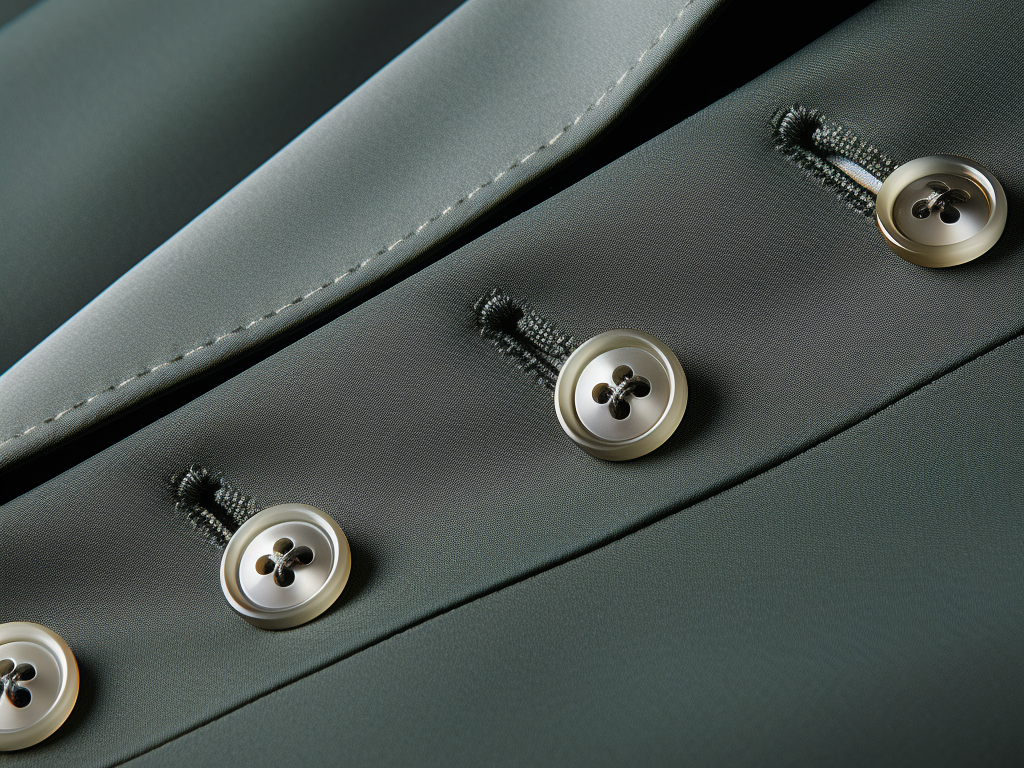
2. Button Loops: Button loops are small loops of fabric or elastic that encircle the button. They are commonly used with shank buttons or decorative buttons that do not have holes.
3. Toggle Buttons: Toggle buttons consist of a button and a loop or bar that is inserted through the buttonhole. The loop or bar is then secured, holding the garment in place. Toggle buttons are often used in outerwear or garments that require a more secure closure.
Proper care and maintenance can prolong the lifespan of buttons and keep them looking their best. Here are some tips:

1. Handwashing: When washing garments with buttons, it is best to handwash them to prevent damage. Use mild detergent and lukewarm water, and avoid scrubbing the buttons directly.
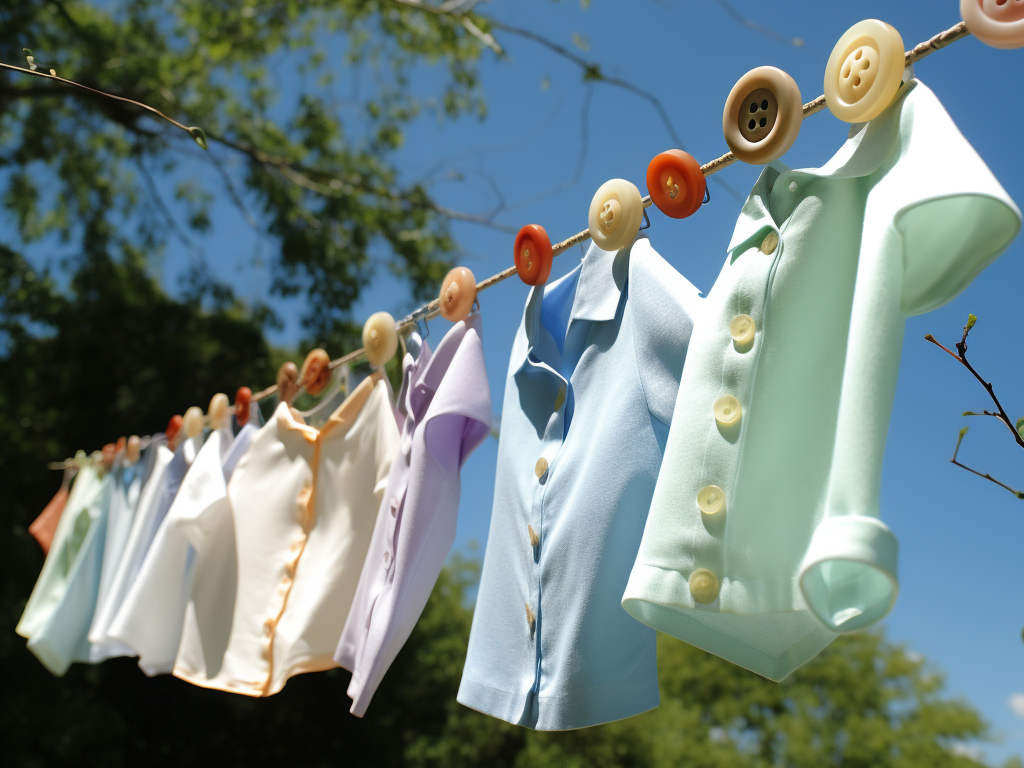
2. Drying: Allow buttons to air dry after washing. Avoid exposing them to direct sunlight or high heat, as it can cause discoloration or warping.
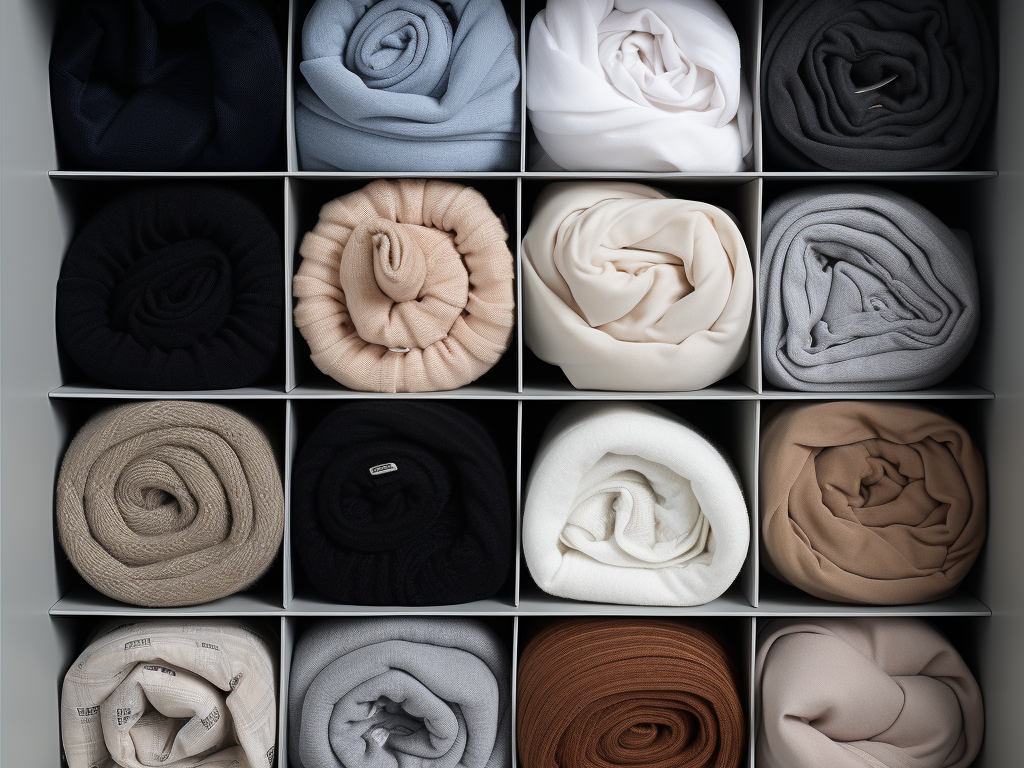
3. Storage: Store garments with buttons in a cool, dry place to prevent moisture buildup. Avoid overcrowding them to minimize friction and potential damage.
In recent years, there has been a growing demand for sustainable and eco-friendly fashion. Here are some button options that align with these values:
1. Recycled Buttons: Recycled buttons are made from materials that have been repurposed or upcycled. They can be made from various materials, including plastic, metal, or wood, and offer a more sustainable alternative to new buttons.
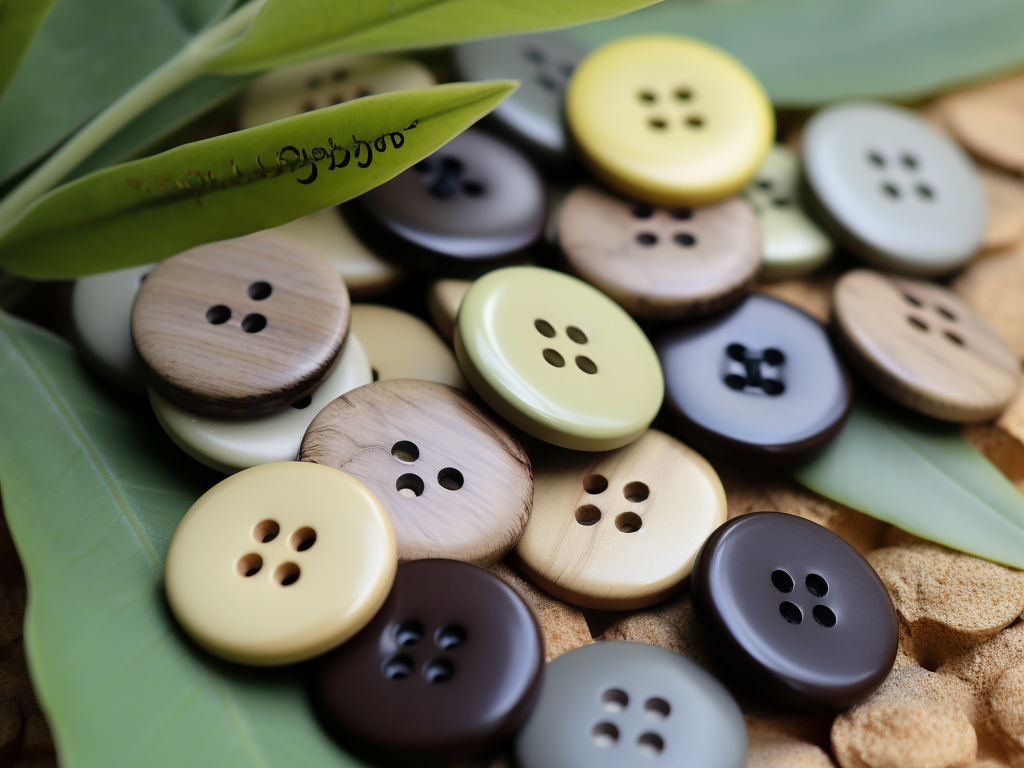
2. Natural Buttons: Natural buttons are made from materials found in nature, such as coconut shells, seashells, or corozo nuts. They are biodegradable and have a unique, organic appearance.
3. Plant-based Buttons: Plant-based buttons are made from materials such as tagua nuts or bamboo. They are renewable and environmentally friendly, offering a more sustainable option compared to synthetic materials.
Buttons play a crucial role in both the functionality and aesthetics of clothing. By understanding the different types, materials, sizes, and fastening methods, you can select the perfect buttons to enhance your garments. Whether you prefer classic metal buttons, trendy fabric-covered buttons, or eco-friendly alternatives, the options are abundant. So, next time you admire a well-designed button, remember the journey it has taken to become an essential part of your wardrobe.