Skip to content
We’ve all experienced it: the tiny, fuzzy balls that form on our favorite clothes after some wear. This phenomenon, known as pilling, can be frustrating and unsightly. But does pilling always mean bad quality? While pilling can be a sign of lower-quality materials, it’s not always the case—it often depends on the type of fabric and how the garment is cared for.
Pilling does not necessarily mean bad quality. It is a natural occurrence in certain types of fabrics, especially those made from blended fibers or loose weaves. However, excessive or premature pilling may indicate subpar materials or construction.
In this article, we’ll explore what is fabric pilling1, does pilling always mean poor garment quality2, and how to prevent and manage it effectively.
What is pilling, and why does it occur?
Pilling occurs when loose or broken fibers on the fabric surface tangle together, forming small balls (pills). It’s typically caused by friction during wear or washing, which loosens the fibers.
Common causes of pilling:
- Fiber composition: Fabrics with shorter or mixed fibers (e.g., cotton-polyester blends) are more prone to pilling.
- Fabric weave: Looser weaves or knits, like fleece or sweaters, tend to pill more easily.
- Friction: Regular rubbing, such as sleeves against the body or clothes against furniture, accelerates pilling.
- Improper care: Using high heat or harsh detergents can weaken fibers and increase pilling.
| Cause | Example |
|---|---|
| Fiber composition | Cotton-polyester blends. |
| Fabric weave | Loose knits like sweaters. |
| Friction | Underarm or side seam areas. |
Does pilling indicate poor quality?
Pilling is not always a sign of bad quality. Even high-end garments made from delicate or natural fibers can pill under certain conditions.
When pilling does NOT mean bad quality:
- Natural fibers: Wool, cashmere, and alpaca are prone to pilling because of their soft, fine textures.
- Blended fabrics: Materials like polyester-cotton blends pill more due to the interaction between synthetic and natural fibers.
- High-wear areas: Areas like underarms, cuffs, and thighs experience more friction, leading to pilling regardless of quality.
Example: A premium cashmere sweater may pill after initial wear because of its soft, luxurious fibers.
When pilling CAN indicate poor quality:
- Loose or short fibers: Fabrics made with low-quality, short fibers are more likely to break and pill.
- Poor construction: Loose weaves or low-density fabrics often wear out faster and pill excessively.
- Inappropriate fabric blends: Inexpensive blends may pill more because of inconsistencies in fiber strength and behavior.
Example: A cheaply made polyester hoodie might pill heavily within a few washes due to inferior fabric quality.

Which fabrics are most prone to pilling?
Pilling in certain fabrics3 is more common, particularly those with shorter fibers or blends. Here’s a breakdown:
| Fabric | Pilling Risk | Why |
|---|---|---|
| Wool | High | Soft, natural fibers are delicate. |
| Cotton-polyester blends | High | Friction between synthetic and natural fibers. |
| Fleece | High | Loose weave and synthetic fibers. |
| Silk | Low | Long fibers resist pilling. |
| Denim | Low | Dense, tightly woven fabric. |
Pro Tip: Opt for tightly woven fabrics or long-fiber textiles like silk or Egyptian cotton to reduce pilling.
How to prevent pilling on clothing?
While you can’t always avoid pilling, prevent pilling when washing clothes4 using these tips to keep garments looking newer for longer.
1. Choose the right fabrics
- Opt for long fibers: Look for fabrics like combed cotton or merino wool.
- Avoid blends if possible: Natural fibers like 100% cotton or linen tend to pill less than blends.
2. Wash carefully
- Use gentle cycles: Prevent excessive agitation in the washing machine.
- Wash inside out: Reduces friction on the garment’s surface.
- Cold water and mild detergent: Helps preserve the integrity of fibers.
3. Dry with care
- Air dry: Avoid high heat, which can weaken fibers.
- Use a laundry bag: For delicate items, reduce friction with a mesh bag.
4. Limit friction
- Rotate garments: Avoid wearing the same item repeatedly to reduce wear in high-friction areas.
- Layer thoughtfully: Wearing a base layer can reduce rubbing between outerwear and your skin.

How to fix pilling on clothes?
If your favorite hoodie or sweater starts pilling, don’t worry! With the right tools and techniques, best tools and methods to remove pilling5 can restore its appearance.
1. Use a fabric shaver
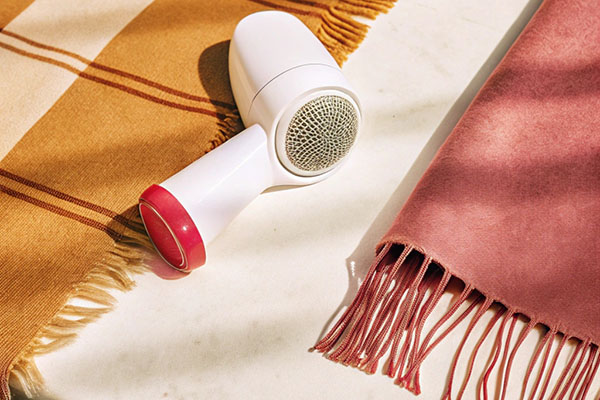
A fabric shaver is a simple tool designed to remove pills. Run it gently over the garment’s surface to restore a smooth finish.
2. Try a sweater comb
A sweater comb works similarly to a shaver but is better suited for delicate fabrics like cashmere or wool.
3. Remove pills manually
For small areas, use your fingers or scissors to carefully remove pills without damaging the fabric.
4. Prevent future pilling
After fixing the issue, follow the care tips above to minimize future pilling.
Why do high-quality clothes sometimes pill?
Even high-quality clothes can pill because of the inherent properties of certain fabrics. For example:
- Natural fibers: Wool and cashmere are more prone to pilling because of their softness and fine texture.
- Breaking-in phase: Some high-quality garments experience initial pilling as loose fibers are shed during wear.
Pro Tip: Consider pilling as part of the natural life cycle for certain luxury fabrics. Regular maintenance keeps them looking their best.
Conclusion
Pilling doesn’t always mean bad quality. It’s a natural occurrence in many fabrics, especially soft or blended materials, and can affect even high-end garments. Understanding the causes of pilling and how to care for your clothes can help you minimize its impact and extend the life of your wardrobe. By choosing the right fabrics, washing gently, and using tools like fabric shavers, you can keep your garments looking polished and pill-free.
-
Learn how pilling occurs and what factors contribute to it. ↩
-
Understand why even high-end clothes can pill and how it’s not always a sign of subpar materials. ↩
-
Discover common fabrics that tend to pill, including cotton blends and fleece. ↩
-
Explore laundry methods and best practices for minimizing garment friction and wear. ↩
-
Find out how fabric shavers, sweater combs, and other techniques can help restore garments’ look. ↩