Skip to content
Compression shorts are designed to improve circulation and support muscles, but can they stop blood flow?
Compression shorts do not stop blood flow if worn correctly. They are designed to enhance circulation by applying gentle, graduated pressure. However, overly tight compression shorts can restrict blood flow, causing numbness, tingling, and discomfort.
Choosing the right size and compression level1 is crucial for safety and effectiveness. Let’s explore how compression shorts affect circulation, the risks of wearing them too tight, and how to choose the right pair.
How do compression shorts affect blood flow?
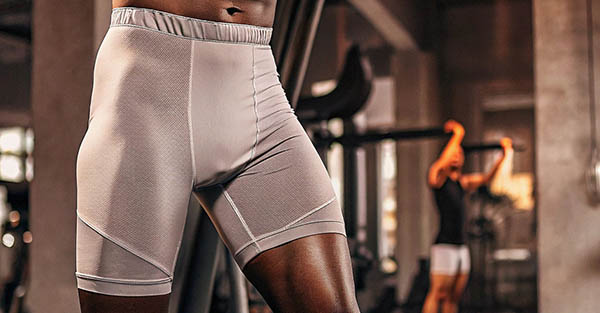
Compression shorts are designed to improve blood flow and circulation by applying gentle, graduated pressure.
They provide more pressure at the extremities (like the thighs) and gradually decrease toward the heart, helping blood return more efficiently.
This enhances oxygen delivery to muscles, reduces muscle fatigue, and speeds up recovery.
Positive Effects on Blood Flow
- Improved Circulation: Graduated compression promotes blood flow back to the heart, enhancing oxygen delivery to muscles.
- Reduced Muscle Fatigue: Increased circulation helps remove lactic acid and reduce muscle fatigue.
- Enhanced Performance: Improved blood flow enhances muscle efficiency and endurance.
- Faster Recovery: Enhanced circulation reduces muscle soreness and speeds up recovery after workouts.
- Reduced Swelling: Compression prevents fluid buildup and reduces swelling, especially after intense exercise.
When worn correctly, compression shorts provide beneficial pressure that enhances circulation and muscle performance. They are ideal for athletes, runners, and active individuals looking to improve performance and recovery.
Can compression shorts restrict blood flow?
Yes, compression shorts can restrict blood flow if they are too tight or improperly fitted.
Overly tight compression shorts can apply excessive pressure, constricting blood vessels and reducing blood flow to the muscles and lower body.
This can cause numbness, tingling, and muscle cramps, affecting comfort and performance.
Why Overly Tight Shorts Restrict Blood Flow
- Excessive Compression: Too much pressure constricts blood vessels, restricting circulation.
- Improper Fit: Shorts that are too small or too tight can compress nerves and blood vessels.
- High Compression Levels: Compression levels above 30 mmHg can restrict blood flow and cause discomfort.
- Wearing for Too Long: Prolonged wear without breaks can restrict circulation and cause swelling.
- Poor Design or Construction: Low-quality compression shorts may not provide even pressure, leading to circulation problems.
To avoid restricted blood flow, choose compression shorts with moderate, graduated compression and the right size. They should be snug but not overly tight or restrictive.

What are the symptoms of restricted blood flow?
Wearing overly tight compression shorts can cause symptoms of restricted blood flow2, including numbness, tingling, and muscle cramps.
These symptoms occur when blood circulation is reduced, preventing oxygen and nutrients from reaching the muscles and nerves.
Recognizing the symptoms helps you take action to prevent further discomfort or injury.
Common Symptoms of Restricted Blood Flow
- Numbness and Tingling: A “pins and needles” sensation caused by poor circulation.
- Muscle Cramps and Fatigue: Reduced oxygen delivery leads to muscle cramps, fatigue, and weakness.
- Swelling and Discomfort: Restricted blood flow can cause swelling and discomfort in the legs and lower body.
- Cold or Pale Skin: Reduced blood circulation can cause cold, pale, or discolored skin.
- Varicose Veins: Prolonged restricted circulation can contribute to varicose veins and swelling.
If you experience any of these symptoms, remove the compression shorts and elevate your legs to improve circulation3. If symptoms persist, seek medical advice.
How to choose the right compression level?
Choosing the right compression level is crucial for safety and effectiveness.
Compression shorts come in different pressure levels measured in millimeters of mercury (mmHg). Mild to moderate compression (15-20 mmHg) is ideal for everyday wear and sports, while higher levels are used for medical conditions.
Selecting the right compression level ensures comfort and improved circulation without restricting blood flow.
Compression Level Guide
| Compression Level | Pressure (mmHg) | Best For |
|---|---|---|
| Mild Compression | 10-15 mmHg | Daily wear, light support, and comfort |
| Moderate Compression | 15-20 mmHg | Sports, running, and activewear |
| Firm Compression | 20-30 mmHg | Medical use, varicose veins, and recovery |
| Extra Firm Compression | 30-40 mmHg | Medical conditions under doctor’s advice |
For sports and daily wear, moderate compression (15-20 mmHg) is recommended. Avoid using firm or extra-firm compression without medical advice, as they are intended for specific medical conditions.
Can wearing compression shorts for too long affect circulation?
Yes, wearing compression shorts for too long can affect circulation, especially if they are overly tight or have high compression levels.
Prolonged compression can restrict blood flow and cause swelling, numbness, and discomfort.
Taking breaks allows the blood vessels and muscles to relax, preventing circulation issues.

Why Prolonged Wear Affects Circulation
- Continuous Pressure: Prolonged pressure constricts blood vessels, reducing circulation.
- Swelling and Discomfort: Restricted blood flow can cause swelling and discomfort in the lower body.
- Muscle Fatigue and Cramps: Reduced oxygen delivery leads to muscle fatigue and cramps.
- Skin Irritation and Chafing: Extended wear can cause skin irritation and chafing, leading to discomfort.
To avoid circulation problems, avoid wearing compression shorts for more than 8-10 hours a day. Take breaks to allow the muscles and blood vessels to relax and recover.
Who should avoid wearing compression shorts?
Compression shorts are generally safe for most people, but they may not be suitable for everyone.
People with certain medical conditions, such as peripheral artery disease, diabetes with neuropathy, or deep vein thrombosis, should avoid compression shorts without medical advice.
Consult a healthcare professional if you have any medical conditions affecting circulation or nerve sensitivity.
Conditions That May Require Caution
- Peripheral Artery Disease (PAD): Compression can restrict blood flow in narrowed arteries.
- Diabetes with Neuropathy: Reduced sensation increases the risk of pressure sores and irritation.
- Deep Vein Thrombosis (DVT): Compression may worsen blood clot conditions.
- Skin Conditions or Allergies: Synthetic fabrics can cause irritation or allergic reactions.
- Circulatory Disorders: Compression can exacerbate circulation issues.
If you have any of these conditions, consult a healthcare professional before using compression shorts. They can advise on the appropriate compression level and duration of wear.
How to wear compression shorts safely?
To safely wear compression shorts, choose the right size, compression level, and fabric.
Compression shorts should be snug but not overly tight or restrictive. Opt for moderate compression (15-20 mmHg) for daily wear or sports. Choose moisture-wicking, breathable fabrics to prevent irritation and discomfort.
Following these guidelines ensures safe and comfortable wear.
Tips for Safe Wear
- Choose the Right Size: Compression shorts should be snug but not overly tight or restrictive.
- Select Moderate Compression: 15-20 mmHg is ideal for sports and daily wear.
- Pick Breathable Fabrics: Moisture-wicking, breathable fabrics like nylon-spandex blends prevent irritation and overheating.
- Take Breaks: Avoid wearing them for more than 8-10 hours a day to allow the skin and muscles to rest.
- Listen to Your Body: If you experience numbness, tingling, or discomfort, remove the shorts and rest.
By choosing the right fit, compression level, and fabric, you can safely wear compression shorts while maximizing comfort and performance.
Conclusion
Compression shorts do not stop blood flow if worn correctly. They are designed to enhance circulation by applying gentle, graduated pressure.
However, overly tight compression shorts can restrict blood flow, causing numbness, tingling, and discomfort. To avoid circulation issues, choose the right size, moderate compression (15-20 mmHg), and moisture-wicking fabrics.
With the right fit and compression level, you can safely wear compression shorts while enjoying the benefits of improved circulation, muscle support, and enhanced performance.
-
Learning about the best compression levels can guide you in selecting the right shorts for your needs, enhancing comfort and effectiveness. ↩
-
Exploring the effects of restricted blood flow can help you avoid potential discomfort and ensure safe use of compression shorts. ↩
-
Understanding how compression shorts enhance circulation can help you make informed choices for better performance and recovery. ↩