Hope and miracles are terms people adore, much like Carl from “Shameless” who, despite a rough start, grows into a man of integrity, responsibility, and kindness.Characters like this bring an involuntary smile to viewers and kindle a passion for life.
In the apparel industry, stories of starting from scratch are always exhilarating, and the tale of a small brand evolving into an international presence is equally compelling.
Over decades of manufacturing apparel, we’ve witnessed the rise of many collaborative brands. Today, let’s delve into the specifics of brand collaboration from the perspective of our manufacturing partner, ‘JF Apparel’.
We hope that through this content, all brands can take a step further.
What Sets JF Apparel Apart in Women’s Fashion?
As our primary manufacturing partner, JF Apparel is a top-tier women’s clothing manufacturer located in Dongguan, China.
Their main products include dresses, tops, skirts, jumpsuits, shorts, and their garments are manufactured in strict accordance with ISO 9001, AATCC, ASTM, OEKO-TEX®, EN, Chinese GB standards, as well as specific customer requirements.
As an experienced women’s clothing manufacturer, they not only produce various types of new styles but also offer one-stop services from design to production and shipping. Many brands have enjoyed different types of services from them.
Of course, if you need these services for T-shirts, sweatshirts, sports shirts, etc., you can contact us directly. As professional knitwear manufacturers, we can also provide services of the same level.And our quality inspection standards are just as stringent as theirs.
Fashion Brands Partnering with JF Apparel
JF Apparel, a notable entity in the fashion industry, partners with various clothing brands, from luxury designers requiring top-notch manufacturing to emerging labels focused on innovative and sustainable production.
These brands include not only international giants like Uniqlo but also fast fashion labels such as Missguided and ModCloth.
The collaboration with OHPOLLY is a prime example among these brands. Let’s complete this guide by incorporating the case study of the collaboration between JF Apparel and OHPOLLY.
How Do Brands and Manufacturers Collaborate?
The partnership between brands and manufacturers transforms ideas into tangible fashion items.
It kicks off with a discussion where brands outline their vision and needs. Manufacturers then showcase their resources, including materials, capacity, and tech advancements. Prototyping follows, creating samples to fine-tune designs and quality.
Jags, the Global Supply Chain Director of Ohpolly, shared that JF apparel was instrumental in designing and developing a new women’s wear series.By visiting JF Apparel’s showroom and factory, jags gained numerous design inspirations and found the appropriate fabrics.
After approval by the brand, mass production starts, under close quality monitoring. Open communication ensures any changes are swiftly managed. The process concludes with the delivery of market-ready products.
This collaboration, rooted in clarity, skill, and mutual goals, is crucial for success in the fast-paced fashion sector.
What Brands and Manufacturers Must Ready
In the intricate dance of fashion production, both apparel brands and manufacturers play crucial roles.
For a seamless process from concept to completion, preparation is key. Here’s a breakdown of the essential documents and information each party needs to gather before placing an order:
For Apparel Brands:
- Design Specifications: Detailed sketches or CAD designs including measurements, color codes (Pantone numbers), and visual references.
- Fabric and Material Details: Specifications for fabrics, trims, and any special materials, including desired quality and sustainability standards.
- Prototype Feedback: Notes and adjustments from prototype reviews, ensuring the final product matches the brand’s vision.
- Order Quantities: Precise numbers for each size and color variant, alongside any phased delivery requirements.
- Brand Standards: Guidelines on branding elements such as labels, tags, and packaging preferences.
- Timeline: A clear schedule outlining key milestones, from production start dates to expected delivery.
For Manufacturers:
- Material Samples: Swatches or samples of proposed fabrics and materials for approval, including any eco-friendly or innovative options.
- Cost Estimates: Detailed quotations covering all aspects of production, from material costs to labor, highlighting any volume discounts.
- Production Plan: A comprehensive overview of the manufacturing process, including capacity information and quality control measures.
- Compliance Documents: Certifications and testing results demonstrating adherence to relevant safety, quality, and environmental standards.
- Sample Garment: A finalized version of the product for final approval before bulk production, incorporating all previous feedback.
- Contract Terms: A draft agreement detailing payment terms, intellectual property rights, and conflict resolution mechanisms.
By meticulously preparing these documents, both brands and manufacturers ensure clarity, reduce the risk of misunderstandings, and pave the way for a successful partnership.
Before the collaboration between OHPOLLY and JF Apparel, both parties had incomplete documentation, causing at least a one-week delay in the order. However, after the first collaboration, subsequent orders were completed in a timely manner.
If both parties can prepare these elements in advance, our collaboration efficiency will greatly improve, significantly reducing the completion time for each order. We hope all clients realize this, as it’s crucial for navigating the fast-paced fashion industry.
Effective clothing Brands-Manufacturer Communication
In the dynamic world of apparel manufacturing, encountering hurdles during production is not uncommon. The key to overcoming these challenges lies in transparent and proactive communication between the clothing brand and the manufacturer.
When encountering problems in production, it’s crucial to calmly analyze the core issue first and avoid arguments over differences during communication.

Here’s how to address and resolve common production issues effectively:
- Early Identification and Notification: Manufacturers should promptly identify and communicate any production issues to the brand, including material shortages, quality concerns, or timeline delays. Early detection allows for quicker problem-solving.
- Detailed Issue Descriptions: When reporting a problem, manufacturers should provide comprehensive details, including the nature of the issue, affected components, and the potential impact on the final product or delivery schedule. Clear descriptions prevent misunderstandings and facilitate a more efficient resolution process.
- Proposed Solutions and Alternatives: Alongside identifying problems, manufacturers are encouraged to propose feasible solutions or alternatives. This could involve suggesting different materials, adjusting design elements, or revising production timelines.
- Collaborative Decision Making: Brands and manufacturers should work together to evaluate proposed solutions, considering factors like cost implications, design integrity, and delivery deadlines. Collaboration ensures decisions align with both parties’ expectations and brand standards.
- Regular Updates and Check-Ins: Once a course of action is agreed upon, maintaining open lines of communication is crucial. Regular updates on the progress of resolving the issue keep the brand informed and involved in the process.
- Post-Resolution Review: After the issue is resolved, a review of the situation can provide valuable insights. Discussing what went well, what could have been done differently, and how similar issues can be prevented in the future strengthens the partnership and improves future collaboration.
By adhering to these principles of clear, proactive communication and collaborative problem-solving, brands and manufacturers can navigate production hurdles more smoothly.
If we all recognize the importance of this communication and regularly practice this skill, then no matter how complex the clothing styles are, we can produce quality branded products.
Collaboration for Post-Production Quality Assurance
Upon completing the production phase, a critical step for apparel manufacturers is to engage in a rigorous quality assurance process alongside the ordering brand.

This collaborative effort ensures that the final products meet both the brand’s standards and international quality benchmarks. Here’s a framework for a successful partnership in post-production quality inspection:
- Establishing Inspection Criteria: Begin by mutually agreeing on quality criteria that align with industry standards and the brand’s specific requirements. This may include fabric quality, stitching accuracy, color fastness, and overall garment construction.
- Selecting Third-Party Inspection Services: For an unbiased assessment, consider employing reputable third-party inspection agencies. These entities are versed in international standards like ISO for quality management and AQL (Acceptable Quality Level) for sampling methods, offering an objective evaluation of the product batch.
- Scheduling Inspections: Coordinate inspection dates that allow sufficient time for any necessary adjustments before the final delivery. Both the manufacturer and the brand should be present or represented during these inspections to witness the process and understand the findings.
- Reviewing Inspection Reports: Post-inspection, analyze the reports together to identify any non-conformities or areas for improvement. This collaborative review fosters transparency and facilitates a constructive dialogue on how to address any issues.
- Implementing Corrective Actions: When defects are identified, manufacturers should promptly implement corrective actions. This may involve reworking defective items, adjusting production processes, or, if necessary, reproducing batches to meet the agreed standards.
- Documentation and Continuous Improvement: Document the outcomes of the quality inspection and the steps taken to resolve any issues. This record-keeping is essential for continuous improvement and can help refine production processes and quality control measures for future orders.
By engaging in a joint quality assurance process, manufacturers and brands can ensure the highest standards are achieved, reinforcing trust and satisfaction.
Leveraging third-party expertise and adhering to international standards further enhances the credibility of the inspection process, this credibility benefits both parties: it boosts Individual buyers trust for brands, and brands are more likely to seek manufacturers with quality assurance to fulfill orders.
In apparel export, the final and crucial step is exporting the product. There are many considerations in this step, with the most important being choosing the right export mode, which dictates our subsequent arrangements.
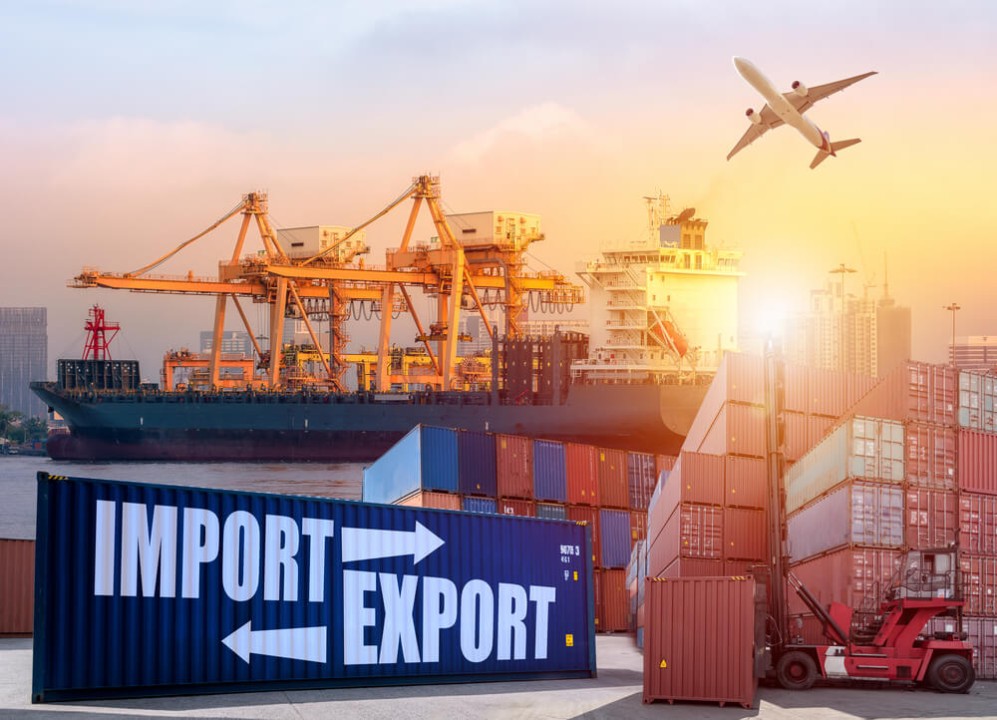
For more on export modes, you can refer to our Trade Term Knowledge blogs.Here’s a guide to key considerations in the post-production freight process for apparel exports:
- Choosing the Right Export Mode: Evaluate the most efficient and cost-effective shipping methods based on the volume of goods, destination, and delivery timelines. Options include air freight for speed or sea freight for larger shipments.
- Understanding Incoterms: Familiarize yourself with International Commercial Terms (Incoterms) to clearly define the responsibilities, costs, and risk transfer points between sellers and buyers. Popular choices in apparel exports include FOB (Free On Board) and CIF (Cost, Insurance, and Freight).
- Preparing Export Documentation: Accurately prepare all required documents, such as the commercial invoice, packing list, and certificate of origin. These documents are essential for customs clearance and must align with the specifics of the cargo and destination country regulations.
- Navigating Customs Clearance: Ensure compliance with both the exporting and importing countries’ customs regulations. This includes declaring the correct HS codes for your products, paying any applicable duties, and ensuring your goods meet all import requirements of the destination country.
- Partnering with Freight Forwarders: Consider collaborating with experienced freight forwarders who specialize in apparel exports. They can offer invaluable assistance in choosing shipping methods, preparing documentation, and handling customs clearance, thereby streamlining the entire freight process.
- Insuring Your Shipment: Obtain adequate insurance coverage for your cargo to protect against loss, damage, or delays during transit. This is crucial for safeguarding your financial interests and maintaining good relationships with buyers.
- Tracking and Communication: Utilize tracking tools provided by your freight forwarder or carrier to monitor your shipment’s progress. Regular updates to your buyers can help manage expectations and build trust.
In this process, aside from the aspects mentioned above, there are numerous details that require communication between the brand and manufacturer. As an experienced apparel export manufacturer, we can provide all necessary documents.
If the brand has no experience in foreign trade, we recommend finding a reliable freight forwarder. If a trustworthy freight forwarder cannot be found, they can also seek our assistance.
Some Tips for Brands
As a seasoned apparel manufacturer, we’ve cultivated insights crucial for brands aiming to thrive in the competitive fashion industry.
These suggestions are compiled based on common issues identified in collaboration with customers, sales representatives, and market changes.Here are key tips to consider:
- Clear Communication: Precise, detailed specifications for your designs can significantly streamline the production process. Ensure all your requirements, from fabric choices to finishing details, are clearly communicated.
- Quality Over Quantity: Invest in higher-quality materials and production techniques. It enhances the longevity of your products, elevates your brand reputation, and fosters customer loyalty.
- Understand Your Market: Stay attuned to your target demographic’s preferences and market trends. This ensures your collections remain relevant and in demand.
- Sustainable Practices: Embrace sustainability in your supply chain. This not only aligns with growing consumer expectations but also contributes positively to the environment.
- Build Strong Partnerships: Cultivate a collaborative, transparent relationship with your manufacturer. A partnership based on mutual respect and open communication can lead to innovation, efficiency, and growth.
- Flexibility Is Key: Be adaptable in your planning and execution. Market trends can shift rapidly, and having the flexibility to adjust your strategies can give you a competitive edge.
- Sample Thoroughly: Before full-scale production, invest time and resources in sampling. It’s crucial for ensuring the final product aligns with your vision and quality standards.
- Plan for Logistics: Understand the complexities of shipping and customs clearance. Early planning can prevent delays and ensure your products reach the market on time.
By integrating these practices, brands can enhance their operations, build a stronger brand identity, and foster a more fruitful relationship with their manufacturing partners.
Conclusion
The journey from concept to consumer in fashion involves detailed planning, creativity, and collaboration between brands and manufacturers. Insights from JF Apparel highlight the production process from design to quality assurance and export. Key takeaways emphasize clear communication, market insight, quality investment, sustainability, and strong partnerships as essentials for success.
In the dynamic world of fashion manufacturing, success hinges on adaptability, innovation, and excellence. Overcoming challenges, adhering to quality standards, and efficient logistics are key, with brand-manufacturer collaboration being crucial.
We are Modaknits, a top-tier apparel manufacturer in China,When you need assistance, please Contact Us directly. For any issue related to the apparel industry, we can provide relevant advice and guidance.