Skip to content
Sweatpants are warm, comfortable, and easy to throw on—but are they actually good for jogging? Many people assume that because they are called "sweatpants," they must be perfect for running and exercise. But is that really the case?
Yes, sweatpants can be used for jogging, but they are not always the best option. While they provide warmth and comfort, they can also be heavy and less breathable than joggers or running tights1.
To determine whether sweatpants are right for your jog, let’s explore their benefits, drawbacks, and better alternatives.
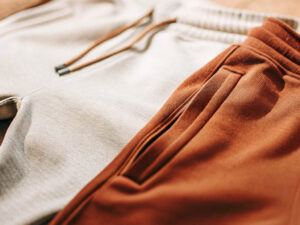
Are sweatpants good for jogging in cold weather?
Jogging in cold temperatures requires warm and insulating clothing, which is where sweatpants excel.
Sweatpants help retain body heat, making them a good choice for jogging in winter or chilly mornings. However, they may become too warm as your body temperature rises during exercise.
Benefits of Sweatpants for Cold-Weather Jogging:
- Keeps muscles warm – Helps prevent stiffness and injuries.
- Provides insulation – Retains heat better than lightweight joggers.
- Shields against wind – Blocks cold air from directly hitting your skin.
Downsides:
- Can trap too much heat – May cause excessive sweating.
- Becomes heavy when wet – Absorbs moisture rather than wicking it away.
- Less breathable – Can feel uncomfortable during intense runs.
If you’re jogging in freezing conditions, sweatpants can help keep you warm, but consider moisture-wicking thermal layers underneath.
How do sweatpants compare to joggers for running?
Joggers and sweatpants may look similar, but they are designed for different purposes.
Joggers are lightweight, breathable, and tapered at the ankle, making them better suited for running. Sweatpants, on the other hand, are thicker and more focused on warmth.
Comparison Table: Sweatpants vs. Joggers for Jogging
| Feature | Sweatpants | Joggers |
|---|---|---|
| Material | Thick fleece or cotton | Lightweight polyester or cotton blend |
| Breathability | Low | High |
| Weight | Heavy | Light |
| Moisture-Wicking | No | Yes |
| Best For | Cold weather, casual jogs | Warm weather, serious runs |
Joggers are generally better for running, but sweatpants can work in the right conditions.

What type of sweatpants work best for jogging?
If you want to jog in sweatpants, choosing the right type can make a difference.
Look for sweatpants made from lightweight, moisture-wicking fabrics2 with a tapered fit to prevent excess movement.
Best Sweatpants for Jogging:
- Tapered or Slim-Fit Sweatpants – Reduces drag and prevents excess fabric movement.
- Moisture-Wicking Cotton Blends – Keeps you dry by drawing sweat away from the skin.
- Zippered Ankle Cuffs – Allows for better airflow and customization.
Sweatpants to Avoid:
- Heavy Fleece Sweatpants – Too warm and bulky for running.
- Oversized Sweatpants – Can be uncomfortable and restrict movement.
- Cotton-Only Sweatpants – Absorbs sweat, making them feel damp and heavy.
Choosing the right pair ensures that your run is comfortable and efficient.
Do sweatpants help with weight loss during jogging?
Some people believe that wearing sweatpants while jogging can help burn more calories. But is that true?
Sweatpants can make you sweat more, but they do not directly increase fat burning. Any weight loss experienced is temporary water weight, not actual fat loss.
Why Sweatpants Make You Sweat More:
- Traps body heat – Increases perspiration.
- Reduces airflow – Prevents quick cooling.
- Creates a "sauna effect" – Similar to wearing a sweat suit.
Does This Help Burn More Calories?
- Slightly – The extra heat can make your body work harder to regulate temperature.
- Temporarily – You may lose water weight, but it will return once rehydrated.
- Not a long-term fat loss method – Real fat burning comes from calorie deficits.
Sweatpants may help you sweat more, but they won’t replace proper training and nutrition for long-term results.

Are there risks to jogging in sweatpants?
While sweatpants can be comfortable, they come with a few drawbacks for jogging.
Wearing heavy, non-breathable sweatpants can lead to overheating, discomfort, and even skin irritation if they become too damp.
Potential Risks:
- Overheating – Too much insulation can lead to dehydration.
- Chafing – Damp, heavy fabric can cause skin irritation.
- Restricted Movement – Baggy sweatpants can slow you down.
To reduce these risks, choose breathable sweatpants or switch to joggers when running in warmer conditions.
What are the best alternatives to sweatpants for jogging?
If sweatpants aren’t ideal for your run, there are plenty of better options.
Joggers, running tights, and track pants offer more breathability and flexibility, making them better choices for jogging.
Best Alternatives:
| Option | Why It’s Better |
|---|---|
| Joggers | Lightweight and breathable, perfect for warm weather. |
| Running Tights | Form-fitting, moisture-wicking, and great for high-speed runs. |
| Track Pants | Designed for movement, often made with sweat-resistant materials. |
These options ensure better performance, comfort, and efficiency compared to traditional sweatpants.
How to make sweatpants work for jogging?
If you prefer jogging in sweatpants, there are ways to make them more comfortable.
To optimize sweatpants for running, choose breathable materials3, layer properly, and adjust your pace to avoid overheating.
Tips for Running in Sweatpants:
- Pick lightweight sweatpants – Avoid heavy fleece or thick cotton.
- Wear moisture-wicking compression shorts underneath – Helps manage sweat.
- Run at a moderate pace – Prevents excessive overheating.
- Stay hydrated – More sweating means you’ll need to drink more water.
By making small adjustments, you can enjoy a comfortable jog in sweatpants.
Conclusion
Sweatpants can be used for jogging, but they are not always the best choice. While they provide warmth and comfort, they can be heavy and less breathable compared to joggers or running tights. If you choose to jog in sweatpants, opt for lightweight, moisture-wicking fabrics and adjust your pace to stay comfortable. For better performance, joggers or specialized running gear are recommended.
-
Find out why running tights are often preferred for jogging and how they can enhance your performance and comfort. ↩
-
Explore this resource to discover the top moisture-wicking fabrics that can enhance your jogging experience and keep you comfortable. ↩
-
Learn about breathable materials that can improve your comfort during jogging and help regulate body temperature effectively. ↩