Skip to content
Starting an activewear brand in 2026 is both exciting and challenging. The market is growing rapidly, driven by consumers who value comfort, functionality, and style in their everyday wardrobe. Activewear is no longer only for workouts; it has become a staple for travel, leisure, home office, and social settings. Entrepreneurs entering this market must focus on building repeatable products, reliable manufacturing processes, and a brand that customers trust for quality and consistency.
The global activewear market continues to expand. Recent industry data estimates the market at approximately $345.8 billion in 2025, with projected growth to $373.1 billion in 2026 and a compound annual growth rate of 8.5% over the next decade. North America remains the largest market, representing 34% of global revenue, with the women’s segment accounting for 48% of sales. These numbers demonstrate that demand is robust and long-term, particularly for high-quality, comfortable, and repeatable product lines.
Starting an activewear brand successfully in 2026 requires careful planning in three main areas: product focus, manufacturing reliability, and scaling strategy. Brands that overcomplicate their launch with too many SKUs, inconsistent suppliers, or unclear sizing often fail to capture repeat customers. By contrast, brands that begin with a small, manageable line, validated through small-batch production, can optimize quality, reduce risk, and scale confidently.
Imagine a founder launching a new line of leggings and hoodies. The first batch of 20 units sells well, but the second batch has inconsistent sizing or fabric feel. Without a manufacturing partner that can ensure consistency, the brand risks losing early customers and damaging reputation. Choosing a partner that can handle both small test orders and larger repeat runs is key to long-term growth.
Why Start an Activewear Brand
Starting an activewear brand in 2026 is still a practical business idea, but only when it is approached with clear product thinking and realistic supply chain planning. A lot of founders enter this category because they see beautiful branding, strong social media content, and fast-growing fitness communities. That interest is real, but the deeper reason this market keeps attracting new brands is much more simple: activewear is one of the few clothing categories that people wear often, replace regularly, and buy for more than one purpose.
A dress may be bought for an event. A fashion top may be bought for one season. But a good pair of leggings, a comfortable hoodie, or a reliable active set can become part of a person’s weekly routine. That changes the business model. It means a strong product is not only capable of generating a first order. It also has a better chance of creating repeat orders, word-of-mouth, and stable long-term sales.
For founders, this matters a lot. Starting a clothing brand is expensive when every product depends on constant newness. It becomes more manageable when the business includes core items that can be sold again and again with only small updates in color, fabric, or styling. That is one reason activewear remains attractive for small and growing brands.
What Makes an Activewear Brand Profitable?
The biggest advantage of activewear is repeat use. Customers do not only buy it for appearance. They buy it because they need it in daily life. That daily use creates wear, washing, replacement, and reorder demand. If the product performs well, the customer often comes back for another color, another set, or a second order of the same item.
A profitable activewear brand is usually built on three things:
- products people wear frequently
- quality that stays stable after washing and repeat use
- a supply chain that can restock winning items without changing the fit or feel
This is why core categories such as leggings, yoga pants, hoodies, sweatshirts, tees, and activewear sets are often stronger starting points than highly seasonal fashion pieces. These are items customers understand quickly. They are easy to wear, easy to style, and easy to reorder.
From a business point of view, activewear also gives better room for product layering. A customer who comes for leggings may also buy a bra top, zip hoodie, cropped tee, or matching set. That increases average order value. Instead of depending on a single item, the brand can build a small but connected collection.
Another important point is margin control. A new brand becomes easier to manage when it starts with products that are simpler to develop and more stable to reproduce. For example, a heavyweight cotton hoodie or a basic cotton-spandex legging usually creates fewer development surprises than a highly technical bonded jacket or a complex multi-panel compression bra. Lower development risk often means fewer sample revisions, less wasted fabric, and better cost control.
The table below shows why many small brands start with simpler activewear categories first:
| Product Type | Development Difficulty | Repeat Order Potential | Fit Risk | Suitable for New Brands |
|---|---|---|---|---|
| Basic Leggings | Medium | High | Medium | Yes |
| Oversized Hoodie | Low | High | Low | Yes |
| Sweatpants | Low | High | Low | Yes |
| Activewear Set | Medium | High | Medium | Yes |
| Sports Bra | High | Medium | High | Better after validation |
| Technical Jacket | High | Medium | High | Not ideal at launch |
A profitable activewear brand is not built by launching the most products. It is built by identifying which products customers will actually want again, then building a system that can support those repeat sales.
Who Buys from an Activewear Brand?
One common mistake new founders make is imagining that activewear is only for gym users. In reality, the customer base is much broader. Activewear is now worn in many daily situations, which gives new brands more room to position themselves clearly.

The main customer groups often include:
- women who wear activewear for yoga, Pilates, gym, or walking
- customers who want comfortable clothing for travel and daily errands
- people working from home who prefer soft and presentable casual clothing
- content creators and small online personalities who want easy-to-style sets
- young DTC brand audiences who like matching sets, clean basics, and wearable colors
This matters because your target customer affects everything: product choice, fabric selection, sizing, photography, and pricing.
For example, a customer shopping for serious training leggings may care most about squat-proof fabric, support, and compression. A customer shopping for studio-to-street wear may care more about softness, shape, and whether the set looks flattering in daily life. A customer buying blank hoodies or tees for a creator-led brand may care most about fabric weight, print result, and fast restock speed.
That is why new brands should avoid broad statements like “we sell activewear for everyone.” That approach sounds safe, but in practice it usually weakens the brand. Customers respond better when the product clearly matches their lifestyle.
The table below shows how different customer groups often think:
| Customer Group | What They Usually Care About | Products That Often Fit |
|---|---|---|
| Yoga / Pilates users | Comfort, stretch, softness, flattering fit | Leggings, flare pants, bra tops, fitted tees |
| Gym-focused users | Support, durability, sweat performance | Compression leggings, sports bras, training tops |
| Casual daily wear users | Soft feel, easy styling, comfort | Hoodies, sweatpants, oversized tees, sets |
| Content creators | Visual appeal, matching looks, quick testing | Coordinated sets, logo hoodies, blank basics |
| Small growing brands | Small MOQ, stable repeat quality, restock speed | Core tees, hoodies, leggings, casual activewear |
When a founder understands exactly who they are designing for, it becomes much easier to make better decisions. The product line becomes sharper. Marketing becomes easier. Sampling becomes faster. And the chance of repeat sales becomes stronger.
Is an Activewear Brand Still Worth It in 2026?
Yes, but not because it is easy. It is worth it because the category still has strong consumer demand, wide usage, and room for focused new brands.
What makes activewear attractive in 2026 is not only market size. It is the combination of four practical business advantages:
- customers wear the products often
- the category works across fitness and casual life
- winning products can be reordered many times
- brands can start with a narrow line before expanding
That last point is especially important. Many founders cannot afford to launch a full fashion collection with many risky styles. Activewear gives them a more controlled entry path. A brand can begin with a few dependable products, test them in small batches, and then grow based on actual sales.
There is also a strong shift in how consumers dress. The line between sportswear, loungewear, and everyday fashion has become much softer. Customers increasingly expect one garment to work in more than one setting. A hoodie should feel good enough for travel. Leggings should work for both class and casual wear. A clean active set should look presentable outside the gym. This wider use increases the value of good activewear products.
At the same time, the category is not easy in a careless way. Customers now compare products more seriously. They notice when the second order feels different from the first. They notice when the waistband changes, when the fabric pills, or when the hoodie arrives with a different hand feel. That means the real opportunity is not simply to “join the trend.” The real opportunity is to build trust through consistency.
Here is a more realistic way to look at the opportunity:
| Reason to Enter Activewear | Why It Matters to a New Brand |
|---|---|
| Repeat purchase behavior | Easier to build stable revenue over time |
| Multi-use wardrobe category | Products fit more than one occasion |
| Small-batch testing is possible | Lower inventory risk at the start |
| Strong visual marketing potential | Easier to promote on social platforms |
| Clear core product structure | Easier to launch with fewer SKUs |
| High restock value | Winning styles can keep selling |
For a new founder, this means activewear is still worth starting if the plan is realistic. That usually means:
- do not launch too many styles
- choose categories that are easier to repeat
- focus on fit and fabric stability
- work with a factory that can support both small tests and later scale
- treat restocking as part of the business model from day one
This is exactly why many smaller brands now prefer starting with products like cotton tees, logo hoodies, sweatshirts, leggings, yoga pants, or simple activewear sets. These products are easier to understand, easier to market, and easier to reorder than more complex performance garments.
Why Do So Many New Activewear Brands Fail Early?
This is the part many founders need to hear clearly. Most new activewear brands do not fail because the market is too small. They fail because the early business structure is weak.
Some of the most common reasons include:
- ordering too much stock before testing demand
- choosing a factory that can make a sample but not keep bulk quality stable
- using too many fabrics too early
- changing fit too often between sample and production
- launching too many colorways or too many sizes without enough data
- spending heavily on branding before the product itself is stable
In other words, the market often is not the first problem. The system is.
For example, a founder may launch six styles at once, in four colors each, with no clear hero product. On paper that looks exciting. In reality it creates too many moving parts: more sourcing complexity, more fit issues, more inventory pressure, and slower learning. If only one or two items perform well, cash is then trapped inside slow-moving stock.
A more practical approach is to begin with one strong direction and a small number of products. Test. Learn. Improve. Then scale.
The comparison below shows the difference:
| Launch Approach | Common Result |
|---|---|
| 10+ styles, many colors, large first order | Higher risk, slower learning, inventory pressure |
| 3–5 focused styles, small batch testing | Faster feedback, lower risk, easier repeat planning |
| Complex technical product first | Longer development, higher fit risk |
| Simple but high-demand basics first | Quicker launch, easier reorder potential |
This is where the right manufacturer becomes part of the brand strategy, not just the production stage. A factory that supports small runs, quick sampling, stable patterns, and later scale gives the founder a much safer path.
Why Does Manufacturing Matter So Much at the Start?
A lot of new brand owners spend most of their energy on logo design, mood boards, and social content, but the first serious customer trust issue usually comes from the product itself. Does it fit well? Does the fabric feel right? Can the same item be reordered without obvious differences? Can the brand restock fast enough when demand appears?
These questions are manufacturing questions.
For an activewear brand, the factory affects:
- how fast samples are made
- how accurately fit comments are followed
- whether fabric quality stays stable
- whether small runs are taken seriously
- whether successful styles can scale later
That is why manufacturing is not just an operations detail. It is part of the customer experience.
For brands that want to start carefully, a supplier like Modaknits makes sense because the path is easier to manage. Modaknits is stronger in knit basics, activewear, hoodies, leggings, yoga pants, sweatshirts, and repeatable casual styles. It can support quick samples in about 3–5 days, small-order production in about 5–10 days, and selected 1–20 piece test runs for fast-start projects. At the same time, it is backed by a broader production system with 18 lines and around 100,000 pieces of monthly capacity, with room for further expansion.
For a founder, that means one very practical thing: you do not need to choose between a small-order supplier and a larger factory system too early. You can start with less risk and still keep room to grow.
What Should a New Founder Really Take Away from This?
If you are considering starting an activewear brand in 2026, the opportunity is real, but the smartest path is not the loudest one. The strongest new brands are often the ones that start with:
- a narrow customer focus
- a small line of repeatable products
- clear fabric and fit standards
- realistic order quantities
- a manufacturer that can support both testing and growth
Activewear is worth entering because it gives founders something many other categories do not: a chance to build around products that customers may want again and again. But that advantage only becomes real when the product, supply chain, and restock system work together.
That is why this category still attracts serious founders. Not because it is easy, but because when it is done properly, it gives a clearer path from first sample to first reorder to long-term brand growth.
How to Plan an Activewear Brand
Planning an activewear brand sounds simple at first. Many people think the process starts with a logo, a brand name, a few design ideas, and then a factory. In real business, that order is usually wrong. A strong activewear brand is planned from the product outward. That means you need to know who you want to sell to, what product problem you are solving, how much complexity your budget can handle, and how your supply chain will support repeat orders later.
This stage matters more than most new founders expect. A weak plan usually does not fail immediately. It fails later through expensive sampling, confusing product direction, slow sales, or inventory that does not move. A clear plan helps you avoid wasting money on the wrong fabrics, too many styles, or a brand message that sounds nice but does not connect with real customers.
For most new activewear brands, the goal at the planning stage is not to build a giant collection. It is to make a small number of good decisions that can support the first launch, the first repeat order, and the first period of growth.
A useful activewear brand plan should answer five practical questions:
- who exactly is the product for
- what type of activewear will the brand focus on first
- which products should be launched first
- how much stock risk is acceptable at the beginning
- what kind of factory support is needed to keep quality stable
When these questions are answered well, later decisions become much easier. Fabric choices become narrower. Product development becomes faster. Content creation becomes more focused. Pricing becomes more realistic. Most importantly, the brand starts to feel like a real business, not just an idea.
The table below shows the difference between a weak early plan and a strong one:
| Planning Area | Weak Approach | Strong Approach |
|---|---|---|
| Customer focus | “Anyone who likes activewear” | “Women aged 22–35 who want flattering studio-to-street basics” |
| Product direction | Too many unrelated ideas | One clear category focus |
| Launch quantity | Large first order without testing | Small test batch first |
| Product count | 8–12 styles at launch | 3–5 core products |
| Factory choice | Cheapest quote | Supplier that supports repeat quality |
| Growth logic | Launch first, fix later | Test first, then scale |
A new brand does not need a perfect plan. It needs a plan that is focused enough to reduce mistakes and flexible enough to improve after testing.
How Do You Define an Activewear Brand?
Defining an activewear brand means deciding what the brand will be known for in the customer’s mind. This is not just about choosing whether the visual identity looks minimal, bold, premium, or sporty. It is about deciding what problem the product solves and what kind of daily life it fits into.
If the definition is too broad, everything becomes harder. Your collection becomes inconsistent. Your message becomes vague. Your product line starts pulling in too many directions. One style looks fashion-led, another looks gym-focused, another looks like loungewear, and the customer cannot quickly understand what the brand stands for.
A better brand definition usually includes four parts:
- the main customer group
- the main wearing occasion
- the main product benefit
- the main product type
For example, these are much stronger than simply saying “we make activewear”:
- activewear basics for women who want flattering Pilates and daily wear sets
- casual activewear for creators and small brands who want stylish blank basics
- performance-inspired knitwear for customers who value comfort more than technical complexity
This type of definition helps shape the whole business. Once the brand direction is clear, you can make better product decisions. If your brand is based on soft studio-to-street pieces, your first products may be leggings, fitted tops, and zip jackets in wearable colors. If your brand is built around casual active basics, your line may start with heavyweight tees, logo hoodies, sweatpants, and relaxed matching sets.
A clear definition also protects your budget. New brands often spend too much money because they are trying to serve different audiences at the same time. They develop products for gym users, casual users, and trend-focused shoppers all in one launch. That usually leads to high sampling costs and slow sales because the brand does not feel focused.
The chart below shows how a clear brand definition can guide product choices:
| Brand Direction | Main Customer Need | Strong Starting Products |
|---|---|---|
| Studio-to-street | Soft feel, flattering fit, daily wear | Leggings, fitted top, zip jacket |
| Casual active basics | Comfort, easy styling, repeat use | Hoodie, sweatpants, oversized tee |
| Small brand / creator line | Blank base, logo application, quick testing | Heavyweight tee, hoodie, set |
| Yoga-focused | Stretch, flexibility, light support | Yoga pants, bra top, tee |
| Lifestyle athleisure | Clean look, comfort, multiple uses | Matching set, sweatshirt, wide-leg pants |
A founder should be able to explain the brand in one sentence without sounding generic. If that sentence is too broad, the plan is probably still weak.
Which Niche Fits an Activewear Brand Best?

Choosing the right niche is one of the most important early decisions because it decides how competitive your launch will feel and how difficult your production process will be. A niche should not be chosen only because it looks popular online. It should be chosen because it matches three things at the same time:
- clear demand
- manageable product complexity
- a realistic chance to build repeat sales
This is where many founders make avoidable mistakes. They choose an area that looks exciting on social media but is too hard to execute well in the beginning. For example, highly technical compression garments, seamless sculpting products, or complex multi-panel performance pieces can look attractive, but they require tighter development control, more fit testing, and higher production discipline. For a new brand, that can create a lot of delay and cost.
In most cases, the best starting niche is one that is easy for the customer to understand and easier for the brand to repeat. Good examples include:
- women’s leggings and matching sets
- yoga-inspired basics
- oversized hoodies and sweatpants
- premium blank tees and casual active layers
- simple studio-to-street collections
- active basics for small DTC brands or influencer-led labels
These niches work well because they match real buying behavior. Customers often want products that fit into existing routines. They want pieces that can be worn for workouts, short trips, casual outings, and relaxed daily wear. Products with this kind of flexibility usually have stronger repeat potential than pieces with very narrow use.
Another reason niche choice matters is content efficiency. A focused niche is easier to market. If your brand serves Pilates users, your message, content style, fabrics, and product shapes become more consistent. If your brand tries to speak to all sports and all body types and all fashion tastes at once, the content becomes weaker.
The table below compares different niche directions from a startup point of view:
| Niche | Demand Level | Development Difficulty | Repeat Sales Potential | Good for New Brand |
|---|---|---|---|---|
| Pilates / yoga basics | High | Medium | High | Yes |
| Casual athleisure sets | High | Low to medium | High | Yes |
| Premium blank hoodies / tees | High | Low | High | Yes |
| Maternity activewear | Medium | Medium | Medium | Possible with focus |
| Compression performance wear | Medium | High | Medium | Better later |
| Highly technical sportswear | Medium | High | Medium | Not ideal at launch |
A good niche feels specific enough to guide your business, but not so narrow that there is no room to grow. For most founders, the best choice is a niche with easy entry products and strong reorder value.
What Makes an Activewear Brand Different?
A lot of people answer this question the wrong way. They think difference must come from dramatic design, complex construction, or a brand story that sounds original. In real clothing business, customers often notice more practical things first. They notice whether the leggings fit well, whether the hoodie feels substantial, whether the waistband rolls, whether the same item can be reordered without changing, and whether the product still looks good after washing.
So what makes an activewear brand different? Usually, it is not one single thing. It is the combination of several clear strengths that customers can actually feel.
For a new activewear brand, difference often comes from one or more of these areas:
- better fit for a specific customer group
- more dependable fabric feel
- simpler and more wearable styling
- lower-risk trial through small batch launch
- stronger repeat order consistency
- quicker restock on best-selling items
This is important because many founders overinvest in surface-level branding before they have solved the product side. They may spend heavily on packaging, visuals, and content, but if the product itself feels unstable, customer trust drops quickly. In this category, product trust is often a more powerful difference than clever brand language.
For example, think about these two brand messages:
- “We create empowering movement apparel for modern women.”
- “We make flattering, soft activewear basics that are easy to wear, easy to reorder, and designed for real daily use.”
The second one is simpler, but it is often stronger because it tells the customer something practical. It shows what the product is and why it matters.
Difference can also come from your order model. Many small brands are now growing by testing small runs instead of placing large first orders. In that case, a brand that works with a supplier supporting 1–20 piece fast-return testing has a real advantage. It can move faster, test styles earlier, and lower the financial risk of product development.
The table below shows practical forms of difference that customers actually care about:
| Type of Difference | Why Customers Notice It | Business Value |
|---|---|---|
| Stable fit | Reduces returns and sizing frustration | Supports repeat sales |
| Better fabric hand feel | Creates stronger first impression | Improves product value perception |
| Reliable restock | Customers can buy again with confidence | Increases lifetime value |
| Small-batch launch model | Easier for startups to begin | Reduces inventory risk |
| Easy-to-style products | More ways to wear the item | Boosts conversion |
| Clear niche focus | Customers quickly understand the brand | Makes marketing easier |
In other words, brand difference should not only sound good in a presentation. It should make buying easier and make reordering more likely.
How Many Products Should You Plan for the First Launch?
This is one of the most practical questions, and it has a direct effect on cost, speed, and risk. Many new founders believe a bigger launch creates a stronger impression. In reality, too many products often create confusion and cash pressure.
For most small and growing activewear brands, a first launch of 3 to 5 core products is usually enough. That range gives you enough variation to build a real collection, but not so much that development becomes difficult to control.
A simple first launch might look like this:
- one hero product
- two supporting products
- one optional layer
- one optional matching piece
For example:
- hero product: leggings
- supporting products: fitted top, bra top
- layer: zip hoodie
- matching piece: joggers or shorts
Or for a more casual direction:
- hero product: oversized hoodie
- supporting products: sweatpants, heavyweight tee
- layer: sweatshirt
- matching piece: logo short
This kind of product structure works because it gives the customer a clear starting point. It also makes production easier. Fewer products mean fewer patterns, fewer fit corrections, fewer fabric risks, and fewer inventory decisions.
There is also a useful cost reason for keeping the first launch small. Each additional product usually brings:
- more sampling cost
- more fabric sourcing work
- more fit comments
- more production planning
- more photography and content requirements
- more stock risk
The table below gives a realistic view:
| Launch Size | Typical Effect on New Brand |
|---|---|
| 1–2 styles | Easy to manage, but may look too narrow |
| 3–5 styles | Best balance of focus and variety |
| 6–8 styles | Possible, but more pressure on budget and development |
| 10+ styles | High complexity, higher stock and quality risk |
A smaller first launch is not a weakness. It often leads to faster learning and stronger follow-up orders.
How Should You Set a Realistic Budget and Order Plan?
One of the biggest planning mistakes is building a brand idea without matching it to a realistic budget. A founder may imagine ten products, several colors, custom trims, premium packaging, and a full photo shoot, but the budget may only support a clean small launch. That gap between ambition and budget is where many early problems begin.
A practical starting budget should be divided into these areas:
- sampling and pattern adjustment
- fabric and trim development
- first production batch
- shipping and duties
- content and photography
- website and basic marketing
- backup funds for revisions or reorders
For many new brands, the first goal should not be “launch the full dream.” The first goal should be “launch a controlled test that can lead to repeat business.”
This is why small-batch development matters so much. If a brand can test a product in 10, 20, or 50 pieces instead of jumping straight into a large order, the founder can preserve cash, gather feedback, and improve the next run. That is especially valuable in activewear, where small differences in fit and fabric can change customer response a lot.
The sample order planning below is often easier for a startup:
| Stage | Purpose | Typical Quantity |
|---|---|---|
| Sample development | Confirm fit, fabric, and style | 1–3 pcs |
| Small market test | Gather feedback and content | 10–20 pcs |
| Early repeat batch | Restock proven item | 50–100 pcs |
| Growth stage order | Expand winning SKU | 300–1000+ pcs |
This gradual path is safer than placing a large first bulk order before the market has responded. It also fits well with suppliers that can move from sampling to small orders and then into scaled production.
What Kind of Factory Support Should Be Planned from the Start?
Factory planning should happen earlier than many founders expect. It is not something to think about only after the designs are ready. The type of factory you choose affects how realistic your whole launch plan is.
At the planning stage, a founder should think about whether the manufacturer can support:
- fast sample development
- small-batch testing
- stable repeat quality
- consistent sizing
- future growth beyond the first order
This matters because some factories are happy to quote a project, but they are not structured to support a growing brand. They may accept the first small order, but once the brand wants a second or third repeat, problems begin. Fabric feel changes. Measurements shift. Communication slows. Lead times become unclear.
For an activewear startup, a better factory relationship looks like this:
- the sample team understands knit and activewear products
- patterns can be adjusted with clear feedback
- small orders are taken seriously
- the same products can be reproduced more consistently later
- the supplier has enough capacity to support growth
This is one reason why a manufacturing partner like Modaknits can make sense for founders in this category. It is built around knit basics, hoodies, tees, sweatshirts, leggings, yoga pants, and repeatable activewear styles. It can handle quick samples in around 3–5 days and small-order production in around 5–10 days, including selected 1–20 piece quick-start models. At the same time, it also has broader production support through multiple factories, 18 lines, and around 100,000 pieces in monthly output, with room for more.
For a founder, that creates a smoother path:
- start small
- test carefully
- repeat strong products
- scale inside a more stable system
That path is often much more valuable than chasing the lowest price at the beginning.
What Should a Founder Really Finish Before Launching?
Before the first order is placed, a founder does not need everything perfect. But several things should be clear enough to avoid confusion later.
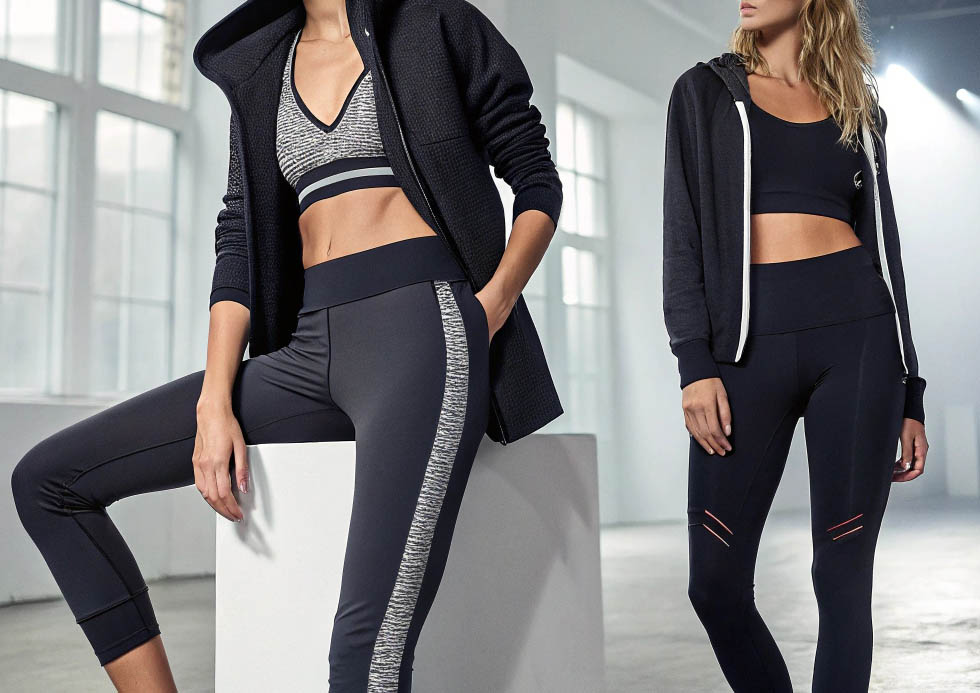
A practical pre-launch checklist should include:
- clear target customer
- clear product niche
- 3–5 starting products
- realistic price range
- fabric direction for each product
- first sample plan
- first test quantity plan
- manufacturing partner with repeat capacity
- simple restock logic for successful items
If those points are not ready, the launch is likely being rushed.
The planning stage is not the most exciting part of building an activewear brand, but it is one of the most valuable. Good planning reduces expensive mistakes, lowers stock pressure, and makes the first customer experience much stronger. In this category, a brand grows faster when the early plan is simple, disciplined, and built around repeatable products.
That is the real goal of planning an activewear brand: not to make the brand look big on day one, but to make sure it has a realistic path to survive, improve, and grow.
How to Build an Activewear Brand Line
Building an activewear brand line is where many founders either create a clear path to growth or make the business much harder than it needs to be. On the surface, this step looks creative. It feels like choosing colors, sketches, trims, and fabrics. In reality, it is also a commercial decision. Every product you add changes your cost structure, your sampling timeline, your fit risk, your inventory pressure, and your chance of getting repeat orders.
A strong activewear brand line is not built by asking, “What else can we add?” It is built by asking, “Which products will customers actually wear often, understand quickly, and want to reorder?” That question is especially important for small and growing brands, because the first collection does not just need to look good. It needs to perform well enough to support the second order.
For most new brands, the first line should do five things well:
- make the brand easy to understand
- solve a real wearing need
- keep development manageable
- make content creation easier
- leave room for repeat production
When these five things are missing, the line often becomes too wide, too expensive, or too difficult to control. A founder may launch many pieces, but if customers cannot quickly understand what the brand is best at, the collection becomes harder to sell.
A good activewear line usually has a clear shape. It includes one hero product, several supporting pieces, and a product mix that makes styling feel natural. It should not feel random. The best early collections often feel small but intentional.
The table below shows the difference between a weak product line and a stronger one:
| Product Line Area | Weak Product Line | Strong Product Line |
|---|---|---|
| Product count | 8–12 styles with little focus | 3–5 core products |
| Product logic | Too many unrelated silhouettes | Clear connection between items |
| Fabric direction | Multiple difficult fabrics | Controlled fabric system |
| Fit management | Several sizing risks at once | Easier to test and improve |
| Marketing use | Hard to explain quickly | Easy to show as a complete lifestyle |
| Restock potential | Many slow-moving items | Clear repeat order candidates |
A founder does not need a large collection to look serious. A small, well-built line often creates more confidence because it looks intentional and easier to trust.
Which Products Should an Activewear Brand Start With?
The first products should be chosen based on repeat use, simple development, and real demand. Many new founders choose styles based on what looks exciting online, but a better starting point is to choose items that customers already understand and already know how to wear.
In most cases, the first line should begin with products that sit close to everyday routines. These often include:
- leggings
- yoga pants
- oversized tees
- fitted tees
- hoodies
- sweatshirts
- sweatpants
- simple matching sets
These categories work well because they have broad use. A customer may wear them for the gym, Pilates, travel, errands, work-from-home days, or casual social settings. The more often a product fits into daily life, the more likely it is to become a repeat purchase.
For a first launch, many brands do best with this structure:
- one hero product
- two or three supporting products
- one layer or matching piece
Here are a few practical examples:
Launch Direction A: Yoga / studio-focused
- hero product: leggings
- supporting products: fitted top, bra top
- optional layer: zip jacket
Launch Direction B: Casual active basics
- hero product: oversized hoodie
- supporting products: sweatpants, heavyweight tee
- optional matching piece: shorts
Launch Direction C: Creator-led blank line
- hero product: heavyweight tee
- supporting products: hoodie, sweatshirt
- optional matching piece: joggers
This structure helps a founder in several ways. It controls sampling cost. It reduces fit problems. It keeps fabric sourcing simpler. It also makes storytelling easier, because customers can immediately see how the pieces fit together.
The chart below shows how different first-product choices affect a new brand:
| Product | Ease of Development | Use Frequency | Repeat Order Potential | Good First Launch Choice |
|---|---|---|---|---|
| Leggings | Medium | High | High | Yes |
| Hoodie | Low | High | High | Yes |
| Sweatpants | Low | High | High | Yes |
| Heavyweight Tee | Low | High | High | Yes |
| Sports Bra | High | Medium | Medium | Usually later |
| Technical Jacket | High | Medium | Medium | Better after growth |
| Multi-panel compression wear | High | Medium | Medium | Not ideal at launch |
The first collection should make the business easier to run, not harder. That is why simpler, high-use products are often the smartest starting point.
What Fabrics Work Best for an Activewear Brand?
Fabric is one of the most important parts of an activewear line because it changes how the customer feels about the product before they even think about the brand story. A good fabric makes the garment feel comfortable, dependable, and worth buying again. A weak fabric can ruin even a good design.
When choosing fabrics for an early activewear line, a founder should not only ask what feels fashionable. They should ask:
- how does it feel on the body
- how does it stretch
- does it recover well after wear
- does it shrink after washing
- does it hold color well
- can it be sourced again for repeat orders
- is it suitable for the customer’s actual use
This matters because not every activewear brand needs highly technical fabric at the start. If the brand is targeting lifestyle wear, casual movement, yoga basics, or active-inspired comfort products, then softness, weight, and wash stability may matter more than extreme technical performance.
A simple early fabric system often works better than a wide one. For example, a founder may choose:
- one main stretch fabric for leggings or yoga pants
- one cotton-based jersey for tees
- one fleece or heavyweight knit for hoodies and sweatshirts
This kind of controlled system lowers risk because it reduces sourcing complexity and makes repeat orders easier later.
The table below gives a practical view:
| Fabric Type | Main Strength | Main Risk | Best Use |
|---|---|---|---|
| Cotton-spandex jersey | Soft, comfortable, wearable | Can vary in shrinkage if not controlled | Fitted tees, leggings, casual basics |
| Polyester-spandex knit | Stretch, shape retention, durability | Can feel less natural if hand feel is weak | Performance leggings, active tops |
| Heavyweight cotton jersey | Premium hand feel, structure | Higher fabric cost | Oversized tees, blank basics |
| Fleece knit | Warmth, comfort, repeat casual use | Weight must be balanced for season | Hoodies, sweatshirts, sweatpants |
| Tencel blend | Soft drape, smoother touch | May cost more and need careful sourcing | Lifestyle tops, light casual pieces |
Founders should also think beyond the first sample. If the fabric cannot be sourced again consistently, then even a successful launch product can become difficult to restock later. That is why a stable fabric direction is often more valuable than chasing too many options early.
For brands working with a supplier like Modaknits, this point is especially relevant because the product strengths are closely linked to knit basics, hoodies, sweatshirts, leggings, yoga pants, and active-inspired casual wear. Choosing products that fit the factory’s stronger categories usually creates a smoother result.
How Many Styles, Colors, and Sizes Should You Launch With?
This is where many startup brands create unnecessary pressure for themselves. They think more options mean a more complete collection. In practice, too many styles, too many colors, and too many size decisions often create higher cost and slower learning.
For most new activewear brands, a more controlled first launch works better. A practical starting structure often looks like this:
- 3 to 5 total styles
- 2 to 4 colors per hero product
- 1 to 2 colors for supporting products
- a focused size range based on target customer and demand
This kind of launch is easier to manage because it gives the founder clear feedback. If the collection is too wide, it becomes difficult to tell which product is actually working and which is simply consuming budget.
A simple product planning example:
| Item | Suggested First Launch Quantity | Suggested Color Count | Suggested Purpose |
|---|---|---|---|
| Leggings | 20–50 pcs | 2–3 | Hero product |
| Hoodie | 15–30 pcs | 2 | Supporting product |
| Tee | 20–40 pcs | 2–4 | Entry item / styling piece |
| Sweatpants | 10–20 pcs | 1–2 | Matching support |
| Bra top | 10–20 pcs | 1–2 | Optional add-on |
Color choice also matters. New brands often start with too many fashion colors and create stock problems. In most cases, the first launch should rely more on wearable and repeatable colors such as:
- black
- grey
- navy
- cream
- brown
- muted green
- soft seasonal neutrals
These shades usually work better because they are easier to style, easier to photograph, and easier to reorder. They also reduce risk when the founder is still learning which direction customers actually prefer.
Size planning should also be realistic. If the size range is too narrow, the brand may miss customers. If it is too wide without enough demand data, inventory becomes harder to control. Many early brands begin with a core size range, then expand after getting stronger fit feedback from test orders.
The key point is this: a first collection should help you learn quickly. Too many styles, sizes, and colors slow that learning down.
How Do You Build a Product Line That Customers Actually Want to Reorder?
A lot of first collections are designed to attract attention, but not enough are built for repeat sales. That is a problem because repeat sales are where a product line starts to become a business rather than a one-time launch.
To build reorder potential, each product in the line should be judged by practical questions:
- is this easy to wear regularly
- does it solve a clear comfort or styling problem
- is the fit simple enough to keep stable
- can it be restocked without changing too much
- does it pair naturally with other products in the line
This is why many brands do well with products like leggings, hoodies, tees, and sweatpants. These items are not only easy to market. They are also easy to repeat. A customer may return for another color, another backup piece, or a second purchase after the first item performs well.
A product with strong reorder value usually has the following traits:
- high use frequency
- simple but dependable fit
- good hand feel
- stable fabric availability
- easy styling
- low decision fatigue for the customer
The table below shows how repeat potential can vary:
| Product Type | Typical Wear Frequency | Restock Logic | Reorder Potential |
|---|---|---|---|
| Leggings | High | Same fit, new color or repeat color | High |
| Hoodie | High | Same body, seasonal color update | High |
| Tee | High | Easy add-on or repeat purchase | High |
| Bra top | Medium | More fit sensitivity | Medium |
| Technical outerwear | Lower | Higher decision barrier | Medium to low |
| Trend-driven fashion item | Lower | Shorter selling cycle | Low |
This is one reason why many small activewear brands now start with a small number of “core products” and build around them gradually. Instead of creating a new product line every month, they strengthen what already works.
How Do You Test a Product Line Before Going Bigger?
Testing is one of the most valuable stages in building a brand line because it reduces expensive guesswork. A founder should not assume that a product will work at scale just because the sample looks good. Real testing should show whether the product performs in actual use.
A useful test batch should help answer questions like these:
- do customers like the fit
- is the fabric comfortable after wear and washing
- which color sells first
- which size moves fastest
- does the product photograph well
- does the item create repeat interest
- are there any comfort or performance complaints
This is where small-batch manufacturing becomes a real advantage. Instead of locking money into a large first order, a founder can use smaller runs to learn faster. For example:
| Test Stage | Goal | Quantity Range |
|---|---|---|
| Prototype sample | Confirm shape and construction | 1–3 pcs |
| Wear-test sample | Check comfort and washing response | 3–5 pcs |
| Small launch batch | Measure market reaction | 10–20 pcs |
| Early scaling batch | Restock proven products | 50–100 pcs |
| Growth batch | Expand winner with stronger confidence | 300+ pcs |
For brands at the beginning, this gradual structure usually works much better than jumping straight into large bulk orders.
It also connects closely with the strengths of Modaknits. Since Modaknits can support selected 1–20 piece quick-start production and fast sample development in around 3–5 days, it gives smaller brands and creator-led labels more room to test product-market fit before scaling. That matters because most young brands are not failing from lack of ideas. They are failing from committing too much too early.
How Should a Brand Build Product Line Balance?
A balanced line means the collection does not depend too heavily on one type of product, but it also does not become too wide. The goal is to create a small system where the products support each other commercially and visually.
A balanced first line often includes these roles:
- hero product: the main item that represents the brand
- support product: an item that helps styling and increases basket size
- layering piece: something that adds variety and seasonal value
- repeat basic: a product that is easy to reorder often
For example:
| Product Role | Example Item | Why It Matters |
|---|---|---|
| Hero product | Leggings | Strong visual identity and repeat use |
| Support product | Fitted tee | Easy styling and lower price entry |
| Layering piece | Zip hoodie | Adds value and seasonal versatility |
| Repeat basic | Oversized tee | Easy reorder and wide audience appeal |
This kind of balance matters because it improves both sales structure and brand image. A customer who is not ready to buy the leggings may still buy the tee. A customer who loves the hoodie may come back for the matching pants. This product relationship helps the brand grow more naturally.
How Does Manufacturing Affect the Product Line Structure?
A founder should never design a product line as if the factory is only involved at the end. In reality, manufacturing affects the whole structure of the line.
The factory influences:
- which products are easiest to develop well
- how quickly samples can be revised
- which categories are more stable for repeat runs
- how low the first order can be
- how fast successful items can be restocked
That means a smart founder usually builds the product line around what is commercially attractive and operationally realistic at the same time.
For example, if a manufacturer is strong in knit basics, hoodies, sweatshirts, tees, yoga pants, and leggings, then building the first collection around those categories often creates a better result than forcing highly technical outerwear or complex performance products into the line too early.
This is one reason why Modaknits is well suited to activewear startups focused on practical growth. Its strength in knit-based casual and active categories makes it easier to start with products that customers wear often and that are easier to repeat. The brand does not need to chase complexity to look serious. It can build around products with clearer demand and stronger restock logic.
What Should a Founder Finalize Before the First Production Order?
Before moving from development into production, several parts of the line should be clearly decided. If these are still unclear, bulk production often becomes stressful and inconsistent.
A founder should ideally finalize:
- which product is the hero item
- which 3–5 products are in the first line
- the main fabric for each category
- the main color plan
- the initial size range
- the test quantity for each item
- the target retail price and margin range
- the reorder plan if one or two items perform well
A practical checklist:
| Decision Point | Why It Must Be Clear Before Production |
|---|---|
| Hero SKU | Gives focus to the whole launch |
| Fabric selection | Prevents inconsistency and delays |
| Color plan | Controls inventory and content direction |
| Size range | Affects fit approval and quantity planning |
| MOQ / test quantity | Protects cash flow |
| Restock logic | Helps plan repeat business early |
The strongest first product lines are not always the largest or the most creative. They are often the ones that feel focused, wearable, and easy to buy. Customers should be able to understand them quickly. Factories should be able to produce them consistently. Founders should be able to restock them without rebuilding the whole system.
That is what a good activewear brand line should do. It should not simply launch products. It should create the first real foundation for repeat orders, smoother growth, and a stronger brand over time.
How to Source for an Activewear Brand
Sourcing is one of the most important parts of building an activewear brand because it directly affects product quality, delivery speed, reorder stability, and long-term profit. Many new founders spend months thinking about design, branding, and content, but the real pressure usually starts when they need to turn an idea into a product that can be repeated with the same fit, fabric feel, and construction quality.
A strong sourcing plan is not only about finding a factory that says yes. It is about finding a production partner that matches your stage, your product type, your order size, and your growth direction. A factory may look good in a message thread, but if it cannot manage sampling, repeat production, and stable quality, then the relationship becomes expensive very quickly.
For activewear brands, sourcing usually affects six core business areas:
- sample speed
- product consistency
- fabric stability
- order flexibility
- communication efficiency
- future scaling ability
This is why sourcing should never be treated as a simple price comparison exercise. A lower quote may look attractive at the beginning, but if the measurements shift, the fabric changes, the logo result is poor, or the reorder lead time becomes unstable, then the real cost becomes much higher.
A practical sourcing process should help a founder answer these questions early:
- can this supplier make my product type well
- can they support small test orders without losing seriousness
- can they repeat the same style again later
- can they control fit, fabric, and trims properly
- can they still support me if I grow from 20 pieces to 500 pieces or more
The table below shows how sourcing decisions often affect brand performance:
| Sourcing Area | Weak Decision | Strong Decision |
|---|---|---|
| Factory match | Takes any supplier that replies fast | Chooses a supplier with category experience |
| Product fit | Sample looks fine, bulk is unstable | Pattern and fit are controlled early |
| Fabric planning | Uses random available stock | Uses a fabric system that can be repeated |
| MOQ strategy | Forced into large first order | Starts with controlled testing |
| Growth path | Needs to change factory later | Builds with a supplier that can scale |
| Communication | Mostly sales promises | Clear process and technical follow-up |
For small and growing activewear brands, good sourcing does not mean finding the biggest factory. It means finding the right factory for the current stage, with the ability to support the next stage too.
How Do You Find a Factory for an Activewear Brand?
The first step is to stop searching in a way that is too broad. Many founders begin by asking for “an activewear manufacturer,” but that description is still too wide. Some factories are better at compression garments. Some are stronger in seamless products. Some are better at knit basics, hoodies, leggings, yoga pants, and casual active styles. If you do not narrow your product direction first, the sourcing process becomes confusing.
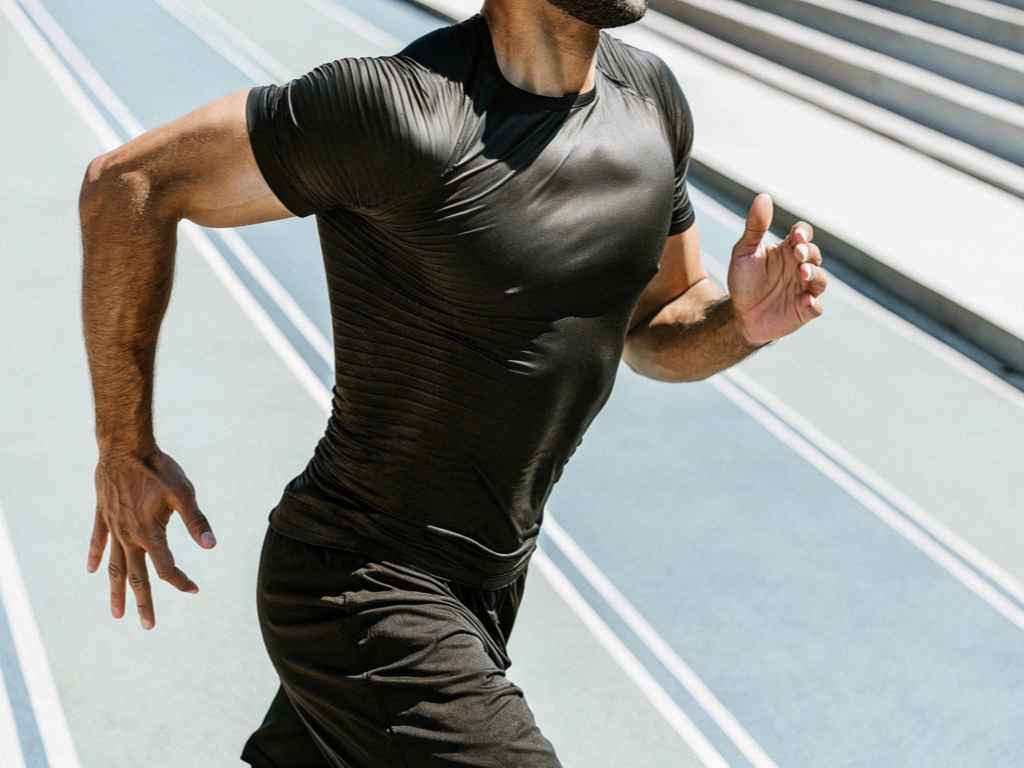
A more practical search should begin with the real product line you want to build. For example:
- leggings and yoga pants
- oversized tees and hoodies
- sweatshirts and sweatpants
- matching lounge-active sets
- logo basics for a creator-led or small DTC brand
When the product type is clear, it becomes easier to evaluate factories honestly. A supplier that is strong in woven outerwear may not be the best choice for stretch leggings. A supplier that handles large bulk orders well may not be suitable for 20-piece test runs. A factory that focuses on fashion dresses may not understand the level of fit stability needed for active basics.
A founder should usually check five things before moving further:
- product category match
- minimum order flexibility
- sample development ability
- communication quality
- repeat production logic
Below is a practical comparison:
| Factory Type | Best For | Risk for New Activewear Brand |
|---|---|---|
| Large-volume general factory | Big established orders | May not care about small runs |
| Low-cost trading supplier | Quick price offers | Weak control over actual production |
| Product-specialized knit factory | Tees, hoodies, leggings, active basics | Often better for focused startups |
| Highly technical sportswear supplier | Performance-focused products | May be too complex or costly early on |
| Small workshop without systems | Tiny orders | Quality and repeat stability may be weak |
A better search process often looks like this:
- define the first 3–5 products
- identify factories strong in those categories
- ask about sample lead time and MOQ
- request details about repeat orders
- check whether the supplier can support growth, not just first production
For brands starting with knit active basics, casual activewear, hoodies, leggings, and yoga-related items, a factory like Modaknits makes practical sense because the production base already fits those product directions. That reduces misalignment early.
What Should an Activewear Brand Ask a Manufacturer?
A lot of founders ask the wrong questions first. They ask price, MOQ, and lead time before they understand whether the supplier can actually make the product well. Price matters, but it should not be the only first filter.
A better supplier conversation should cover these points:
- what product categories are your strongest
- how long does sampling take
- do you support fit revision after the first sample
- what is your normal MOQ for this type of product
- can you support small test orders before larger runs
- how do you manage repeat production
- can you source and repeat the same fabric later
- what printing or embroidery methods do you support
- how do you handle measurement control and quality checks
- what is your normal production timeline for small and larger orders
These questions help a founder understand whether the supplier has a real working system or is only offering broad sales answers.
It is also important to ask technical but practical questions, especially for activewear:
- how do you control stretch recovery
- how do you check shrinkage
- do you inspect fabric before cutting
- how do you confirm logo placement
- how do you manage color variation across repeat orders
- can you keep the waistband, stitching, and fit consistent on repeat runs
The table below shows what each question actually helps reveal:
| Question Type | What It Tells You |
|---|---|
| Product strength | Whether the supplier truly fits your category |
| Sample timeline | Whether development speed is realistic |
| MOQ flexibility | Whether you can test without overcommitting |
| Fabric repeatability | Whether reorders will stay stable |
| QC process | Whether mistakes are caught before shipping |
| Growth support | Whether the supplier can stay with you as volume increases |
For example, if a supplier says they can make anything, that is usually less useful than a supplier who clearly says they are strongest in hoodies, tees, leggings, yoga pants, and active basics. Clear specialization often leads to better execution.
With Modaknits, the stronger sourcing story is not “we do everything.” It is that the factory system is especially suited to knit-based active and casual categories, with support for DTG, embroidery, heat transfer, sample development, and faster small-order handling. That is more useful to a startup than a vague promise.
How Do You Compare Quotes the Right Way?
Many founders compare supplier quotes too quickly and end up choosing the wrong partner. A lower unit price does not always mean a better sourcing decision. To compare quotes properly, you need to look at the full production picture.
A quote should be reviewed across these areas:
- sample cost
- unit price at your real quantity
- fabric quality level
- print or embroidery cost
- packaging cost
- shipping terms
- lead time
- payment terms
- quality control support
- restock practicality
For example, Factory A may offer a lower unit price, but require a larger MOQ and give slower sampling. Factory B may charge slightly more per piece, but allow small-batch testing and better repeat quality. For a startup, Factory B may be the safer choice because it reduces stock risk.
Here is a simple comparison model:
| Quote Area | Factory A | Factory B | Better Choice for Startup |
|---|---|---|---|
| MOQ | 300 pcs/style | 20–100 pcs/style or test-based | B |
| Sample Lead Time | 10–14 days | 3–7 days | B |
| Unit Price | Lower | Slightly higher | Depends on total risk |
| Fabric Stability | Unclear | Clear repeat system | B |
| QC Response | Basic | More structured | B |
| Restock Flexibility | Limited | Better | B |
A founder should also look at hidden cost pressure. These often include:
- multiple sample revisions
- delayed production start
- low-quality logo result
- shipping surprises
- unstable packaging execution
- need to change supplier after the first order
These problems may not show up in the quote sheet, but they affect cash flow heavily.
A good sourcing decision is rarely the cheapest quote. It is often the quote that gives the brand the best balance of:
- quality
- manageable MOQ
- faster learning
- stable repeat potential
- lower correction cost later
How Do You Source Fabrics for Activewear Without Creating Problems Later?
Fabric sourcing is one of the most common weak points in new activewear brands. A founder may approve a nice-looking sample, but later discover that the same fabric is not easy to restock, or that the second batch feels different. This is especially risky in activewear because customers notice small changes quickly. If leggings feel tighter, softer, thinner, or less supportive than before, trust drops fast.
A practical fabric sourcing plan should focus on repeatability first, not only appearance.
The main points to control are:
- fabric composition
- fabric weight
- stretch behavior
- recovery
- shrinkage
- color fastness
- hand feel
- repeat availability
For a startup, it is usually better to begin with a controlled fabric system rather than too many options. A simple fabric system might include:
- one core stretch fabric for leggings or yoga pants
- one jersey for tees and fitted tops
- one fleece or heavyweight knit for hoodies and sweatpants
That kind of system makes sourcing easier because:
- development is faster
- fit stays easier to manage
- reorders are more practical
- fabric confusion is reduced
- content and product pages become easier to explain
The table below shows why fabric discipline matters:
| Fabric Decision | Short-Term Effect | Long-Term Effect |
|---|---|---|
| Too many fabrics in first launch | Looks more varied | Harder to repeat and control |
| One controlled fabric family | Simpler first launch | Better restock and quality stability |
| Random in-stock substitution | Faster first order | Weak trust on repeat orders |
| Fabric with known shrinkage and stretch testing | Slightly slower approval | Better product consistency |
A founder should also ask the supplier:
- can this fabric be sourced again in the same quality
- what is the usual lead time for repeat fabric orders
- what is the weight tolerance
- what wash test has been done
- will the color stay stable across repeat lots
For active basics and repeatable knit products, this matters as much as the sketch itself.
How Do You Handle Samples, Revisions, and Pre-Production Clearly?
A lot of sourcing problems come from poor sample control, not from bulk production alone. If the sample stage is rushed, then the brand enters production with weak standards. That is when size inconsistencies, fabric issues, and construction problems become expensive.
A more disciplined sample process usually includes these steps:
- first proto sample
- fit comments and revision
- wear test or wash test
- logo / print / embroidery confirmation
- size approval
- pre-production confirmation
Each of these stages has a purpose.
The first sample is not there to be perfect. It is there to show the product direction. After that, the founder should review:
- body measurements
- fit balance
- rise, inseam, sleeve, and body length where relevant
- fabric feel
- stitching quality
- print or embroidery position
- washing response
This is especially important for activewear because a small measurement issue can change the wearing experience a lot. A waistband that feels fine on the table may roll during movement. A leg opening that looks balanced may feel too tight during actual wear. A hoodie shape that looks modern in photos may shrink too much after washing.
A useful sample control table may look like this:
| Sample Stage | What to Check | Why It Matters |
|---|---|---|
| Proto sample | Shape, construction, first fabric match | Confirms product direction |
| Fit revision | Measurements, comfort, silhouette | Prevents poor bulk fit |
| Wear / wash test | Shrinkage, hand feel, recovery | Protects user experience |
| Logo approval | Placement, size, method quality | Prevents branding mistakes |
| Pre-production sample | Final approved version | Sets bulk production standard |
This process takes some patience, but it saves money later. A brand should never push into bulk just because the sample is “close enough.”
How Do You Control Quality Before and During Production?
Quality control is often misunderstood. Many people think it happens only at the end, when cartons are checked before shipment. In reality, quality control starts much earlier. It begins with fabric selection, pattern approval, and clear production instructions.
For activewear, quality usually needs to be checked in these areas:
- fabric weight and hand feel
- stretch and recovery
- shrinkage after wash
- stitching neatness
- seam strength
- logo execution
- measurements
- labeling and packaging
A smarter quality system often includes three points of control:
- before cutting
- during sewing
- before packing
That structure helps catch problems earlier. For example, if the fabric is wrong before cutting, the issue is still fixable. If the measurement starts drifting during sewing, the line can be corrected. If the problem is found only after packing, cost and delay become much higher.
The table below gives a simple quality structure:
| QC Stage | Main Focus | Result |
|---|---|---|
| Pre-production QC | Fabric, trims, approved sample | Prevents wrong inputs |
| Inline QC | Sewing quality, measurements, consistency | Prevents repeated errors |
| Final QC | Finished garment, labels, packaging | Protects shipment quality |
For startups, the most important thing is not having the most complicated QC system. It is having a clear one. Even a simple but disciplined quality structure is better than relying only on trust or last-minute inspection.
How Do You Choose a Supplier That Can Grow with Your Brand?
A new activewear brand should not only ask, “Can this factory make my first order?” It should also ask, “Can this factory still support me if my next order is five times bigger?” That question matters because many brands outgrow their first supplier too quickly, and changing factories later can be painful.
When a brand changes supplier, it often faces:
- fit changes
- fabric mismatches
- trim differences
- new sampling cost
- fresh communication problems
- longer relaunch timelines
That is why the best sourcing relationship is often one that supports a growth path such as:
- sample
- small market test
- repeat test batch
- stable reorder
- larger production scale
A supplier that can support this path is much more valuable than a supplier who only fits one stage.
This is where Modaknits has a clear practical advantage for some startups. The structure supports:
- sample development in around 3–5 days
- small-order production in around 5–10 days
- selected 1–20 piece quick-start testing
- broader production support through 4 factories
- 18 production lines
- around 100,000 pieces monthly capacity, with additional room to expand
For a founder, that means there is less pressure to move to a completely different system after the first success. The brand can begin carefully and still keep room for real growth.
What Mistakes Should Founders Avoid During Sourcing?
Most sourcing mistakes happen because the founder is in a hurry, under budget pressure, or too focused on unit price. A more realistic approach helps prevent early damage.
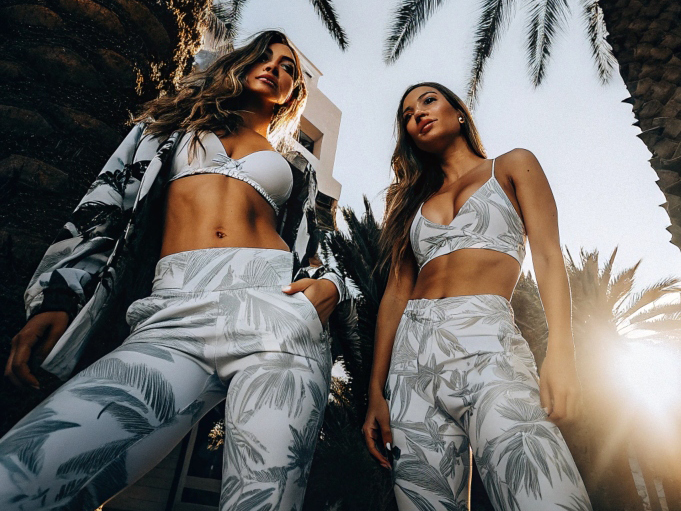
Common sourcing mistakes include:
- choosing a supplier based only on the lowest quote
- approving bulk before the sample is truly ready
- using too many fabrics in the first launch
- not confirming shrinkage and stretch performance
- ordering too many units before testing demand
- failing to define which products need long-term repeat consistency
- changing details too often during production
- working with a supplier that does not match the real product type
The comparison below shows how small decisions create big differences:
| Sourcing Choice | Common Outcome |
|---|---|
| Lowest price first | Higher correction cost later |
| Rushed sample approval | Fit and quality complaints |
| Too many launch fabrics | Harder repeat sourcing |
| No restock planning | Bestseller cannot be repeated smoothly |
| Factory mismatch | Slow development and unstable results |
| Clear phased sourcing plan | Lower risk and smoother growth |
For most activewear startups, the goal should not be to build the most complex sourcing network in the beginning. The goal should be to build one dependable production path that supports learning, repeat orders, and gradual scaling.
What Should a Founder Finalize Before Confirming a Supplier?
Before placing the first order, a founder should ideally have clarity on these points:
- first 3–5 products
- target customer and price level
- fabric direction for each category
- logo application method
- sample approval status
- test quantity plan
- payment terms
- delivery timeline
- restock expectation if one product sells well
A useful decision table looks like this:
| Decision Point | Why It Matters Before Order |
|---|---|
| Product list | Prevents production confusion |
| Approved fabric | Supports repeat consistency |
| Size range | Affects quantity planning and QC |
| Branding method | Prevents print or embroidery mistakes |
| MOQ and test plan | Protects cash flow |
| Delivery timing | Helps launch planning |
| Reorder plan | Prepares for growth if the product works |
Good sourcing gives a brand more than garments. It gives the founder more control. It makes the first launch less risky, the second order more realistic, and the customer experience more dependable.
That is why sourcing an activewear brand should never be treated as a simple supplier search. It is one of the key business decisions that shapes whether the brand stays small, struggles early, or builds a smoother path toward repeat growth.
How to Grow an Activewear Brand
Growing an activewear brand is not only about getting more traffic or adding more products. Real growth happens when a brand can do three things at the same time: keep product quality stable, keep customers coming back, and increase sales without creating operational chaos. A lot of new brands get attention once. Far fewer brands build a system that can turn one good launch into steady repeat business.
This stage is where many founders feel the most pressure. At the beginning, the focus is usually on getting the first sample made and the first order sold. Later, the challenge changes. The questions become more practical:
- how do you restock without quality changing
- how do you know which products deserve more investment
- how do you grow sales without overbuying stock
- how do you keep customers interested after the first purchase
- how do you scale production without damaging delivery time
A growing activewear brand needs more than good-looking content. It needs stable products, better decision-making, and a clearer link between marketing, sales, and production. If one part grows faster than the others, the business starts to feel unstable. For example, strong marketing with weak inventory planning leads to stockouts. Fast sales with poor quality control lead to returns and complaints. Too many new products without enough demand data lead to slow-moving stock.
That is why healthy growth usually looks more disciplined than people expect. The strongest brands often grow by doing a few things better, not by doing everything at once.
A practical growth strategy for an activewear brand usually depends on six areas:
- keeping best-selling products in stock
- improving repeat purchase rate
- building stronger content around winning products
- expanding product lines carefully
- strengthening customer trust
- using a factory that can support larger orders without losing consistency
The table below shows the difference between unstable growth and healthier growth:
| Growth Area | Unstable Approach | Stronger Approach |
|---|---|---|
| Product expansion | Add many styles too quickly | Scale only proven products first |
| Inventory | Bulk buy without clear demand | Reorder in stages based on sales data |
| Marketing | Push all products equally | Focus on hero SKUs and top-performing categories |
| Retention | Chase new customers only | Build repeat business from existing customers |
| Production | Change suppliers too often | Grow with a supplier that supports consistency |
| Brand message | Too broad and changing | Clear identity with strong core products |
A founder should not ask only, “How do I get bigger?” A better question is, “How do I grow without losing control?”
How Do You Market an Activewear Brand?
Marketing an activewear brand works best when the product message is simple, believable, and easy for customers to imagine in daily life. Many brands make the mistake of relying on generic words like premium, empowering, or performance-driven without showing clearly why the product deserves attention. Customers usually respond better to specific value.
For example, these messages are easier to understand:
- soft leggings that stay comfortable through a full day
- heavyweight hoodies with a cleaner oversized fit
- matching sets that work for Pilates, errands, and casual travel
- blank basics designed for creators, small labels, and easy repeat use
The stronger the product message, the easier the marketing becomes. A founder does not need endless content themes if the product already solves a clear need.
In activewear, the most useful marketing angles often come from real customer concerns:
- does it fit well
- does it flatter the body
- is it comfortable enough for long wear
- can it be styled easily
- does it hold up after washing
- can I buy it again if I like it
This is why product-led marketing tends to work better than vague lifestyle messaging. Customers want to see:
- real movement
- fit on body
- close-up fabric texture
- styling options
- wash and wear confidence
- repeat-use value
A good marketing plan for a growing brand usually includes:
- one clear brand message
- one or two hero products
- repeated content around the same winning items
- real customer feedback or use cases
- simple education around fit, fabric, and styling
The table below shows useful content directions:
| Content Type | Why It Works | Best For |
|---|---|---|
| Try-on videos | Shows fit and movement clearly | Leggings, sets, fitted tops |
| Outfit styling clips | Helps customers imagine daily wear | Hoodies, tees, matching sets |
| Fabric close-ups | Builds confidence in quality | Heavyweight basics, soft-touch products |
| Comparison content | Helps customers choose between products | Similar fits, colors, or fabrics |
| Restock announcements | Creates urgency on proven products | Best-selling repeat items |
| Customer feedback posts | Builds trust | Products with strong early response |
For a startup, marketing should not begin with trying to say everything. It should begin with repeating the clearest product message until customers understand exactly what the brand does well.
Which Channels Sell an Activewear Brand Best?
Not every sales channel is equally useful at the same stage. One of the most common mistakes is trying to grow everywhere at once: website, Instagram, TikTok, Amazon, retail, wholesale, and influencer campaigns all at the same time. That usually spreads the budget too thin and makes it harder to learn what is actually working.
For most growing activewear brands, the strongest early channels are:
- direct-to-consumer website
- TikTok
- creator partnerships
- limited marketplace testing where appropriate
A direct website is important because it gives the brand control over product pages, customer experience, pricing, and retention. It also helps collect first-party customer data, which becomes more valuable as the brand grows.
Instagram and TikTok work well because activewear is highly visual. Customers want to see movement, body shape, styling, and color in real use. A static product image may be enough for some categories, but activewear usually sells better when people can imagine how it moves and fits in daily life.
Email remains valuable because it supports repeat sales. A lot of founders focus heavily on getting the first order, but email often becomes one of the simplest ways to drive the second and third purchase. Useful email flows include:
- welcome series
- first-order follow-up
- restock alerts
- matching product recommendations
- back-in-stock campaigns
- limited drop or new color launch messages
Here is a practical comparison of common channels:
| Channel | Best Use | Strength | Main Risk |
|---|---|---|---|
| Brand website | Core sales channel | High control and margin | Needs good product pages and traffic |
| Visual storytelling | Strong brand building | Can be inconsistent without clear content plan | |
| TikTok | Fast reach and discovery | Strong for product demos and creator content | Trends move quickly |
| Repeat orders and retention | Low-cost follow-up sales | Weak if list building is poor | |
| Amazon / marketplaces | Additional reach | Can test demand in new regions | Lower brand control |
| Offline pop-ups | Community and product feel | Good for trust and local exposure | Higher effort and setup cost |
A growing brand does not need every channel. It needs the right combination for its current size. In many cases, one strong website, one strong social platform, and one strong retention channel are enough to build meaningful momentum.
How Do You Turn First-Time Customers into Repeat Customers?
This is one of the most important growth questions because repeat customers usually cost less to convert than new ones. They also tend to trust the brand more, understand sizing better, and spend with less hesitation. In activewear, repeat customers can be especially valuable because many core products fit into regular routines.
A customer is more likely to reorder when the first purchase gives confidence in these areas:
- fit is stable
- fabric feels good after washing
- delivery is reliable
- product photos matched reality
- the item is easy to wear regularly
- similar items are available for a second purchase
This is why retention often begins with the product itself, not only with promotions. If the product experience is weak, discount emails will not solve the real problem.
To improve repeat purchase rate, a growing brand should focus on:
- hero products that can be reordered in more colors
- matching items that naturally increase the second purchase
- restock consistency
- clear post-purchase communication
- size and care guidance that reduces customer doubt
Useful repeat-order strategies include:
- offer best-selling products in 2–4 strong core colors
- introduce new seasonal colors without changing the body shape
- recommend matching products after first purchase
- send back-in-stock messages for sold-out items
- build product pages that clearly explain fit and fabric
- maintain the same measurements for repeat production
The table below shows how different tactics support retention:
| Retention Tactic | Why It Helps | Example |
|---|---|---|
| Core color restocks | Gives familiar product confidence | Reordering leggings in black, grey, navy |
| Matching product offers | Increases second-order value | Hoodie customer offered matching sweatpants |
| Back-in-stock alerts | Captures existing demand | Bestseller restock notification |
| Fit consistency | Reduces hesitation | Same legging body across repeat runs |
| Post-purchase email | Keeps brand visible | Care tips, styling ideas, reorder reminder |
| Product care education | Helps items perform better | Washing guidance for stretch fabrics |
For many activewear brands, growth becomes easier once repeat customers begin to form the base of the business. At that point, marketing becomes more efficient because the brand is not depending only on constant first-time discovery.
How Do You Know Which Products to Scale?
Not every item deserves more inventory, even if it gets attention online. Some products attract likes but do not convert well. Some sell once but do not get reordered. Some have high return rates because the fit is unstable. Growth becomes healthier when a founder learns how to separate attention from real product strength.
A product is usually worth scaling when it performs well across several signals, not just one. Useful indicators include:
- strong sell-through rate
- low return rate
- positive fit feedback
- repeat interest or reorder demand
- clean production repeatability
- strong visual performance in content
- good margin after production and shipping
A simple product review table helps a lot:
| Product Signal | What It Suggests |
|---|---|
| Sells out quickly but has complaints | Demand is real, but product still needs improvement |
| Strong conversion and low return rate | Good candidate for scaling |
| Good social engagement but weak sales | Content works better than product positioning |
| Slow sales but strong customer reviews | May need better messaging or channel placement |
| Fast reorder requests | Strong repeat potential |
| Difficult to reproduce consistently | Be careful with scaling too fast |
A founder should also compare products by role:
- hero product: does it lead the brand clearly
- support product: does it increase basket size
- repeat basic: does it sell steadily over time
- seasonal item: does it add interest without hurting operations
This is where a simple product line often performs better than a very wide one. If a brand has 20 items, it may struggle to see which ones are truly carrying the business. If it has 4 or 5 controlled products, the winning patterns become easier to spot.
In activewear, strong scaling products are often:
- leggings with stable fit
- hoodies with premium hand feel
- tees with dependable sizing
- matching sets that create easy styling
- active basics that customers can wear multiple times a week
These categories often grow well because they are easier to reorder and easier for customers to understand.
How Do You Expand the Product Line Without Losing Focus?
Once some products begin to work, many founders feel tempted to add too many new ideas too quickly. That is a dangerous stage. Growth does not always mean launching many new products. Sometimes the better move is to go deeper into what already works.
A safer product expansion path often follows this order:
- strengthen existing hero products
- add color variations
- add matching products
- add nearby categories
- introduce one or two new silhouettes only after demand is clear
For example, if leggings are selling well, a brand may expand like this:
- same leggings in more core colors
- matching bra top
- matching fitted tee
- zip layer
- flare version later if demand supports it
Or if hoodies are performing well:
- same hoodie in seasonal color drops
- matching sweatpants
- oversized tee in same color family
- lighter sweatshirt version
- shorts for warm weather later
This approach works better because the brand grows through familiarity, not confusion. Customers see a clear system. The factory also benefits because patterns, fabrics, and color planning stay more controlled.
The table below compares two expansion paths:
| Expansion Style | Common Result |
|---|---|
| Add many unrelated new products | More sampling cost, weaker brand clarity |
| Build around existing winner | Better restock efficiency and stronger brand focus |
| Change fit with every new launch | Harder to create product trust |
| Keep body consistent, add colors or matching items | Easier repeat purchase behavior |
A founder should treat product expansion as a way to deepen the line, not simply widen it.
How Do You Manage Inventory While Growing?
Inventory is one of the biggest growth pressure points in clothing. Too little stock means missed sales. Too much stock ties up cash and creates discount pressure. Good growth often depends on learning how to reorder in stages rather than guessing too far ahead.
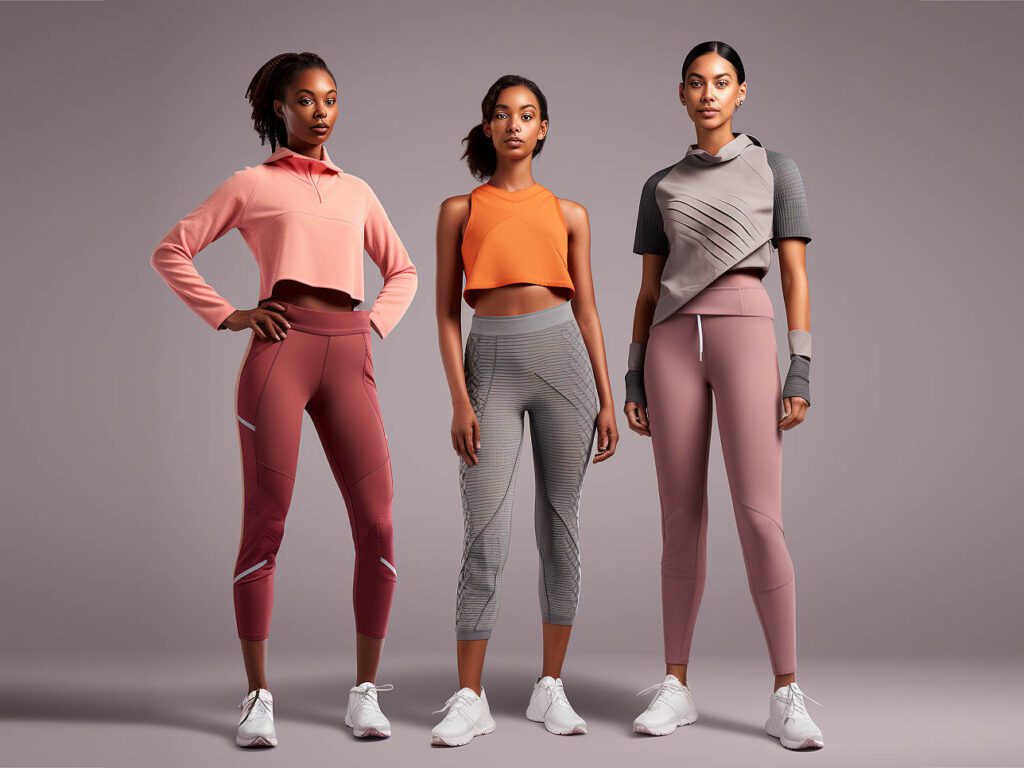
For activewear brands, inventory should usually be managed product by product, not only collection by collection. A founder should know:
- which products move fastest
- which sizes move first
- which colors sell steadily
- how long production takes
- how much stock is needed before the next reorder arrives
A practical growth-stage inventory method often looks like this:
- start with small test batch
- scale proven products modestly
- reorder early on winners
- keep slower products at lower risk quantities
- avoid deep stock on unproven styles
Example inventory logic:
| Product Type | First Test | Second Order | Growth Stage |
|---|---|---|---|
| Leggings | 20 pcs | 80 pcs | 300+ pcs if proven |
| Hoodie | 15 pcs | 50 pcs | 150+ pcs if repeat sales are strong |
| Tee | 20 pcs | 100 pcs | 300+ pcs if used as repeat basic |
| New experimental style | 10 pcs | 20–30 pcs only if response is good | Scale carefully |
A founder should also watch size and color concentration. Sometimes one product sells well overall, but most of the movement is only in black and in mid sizes. That matters. It tells the brand where to invest more safely.
Inventory planning becomes much easier when the factory can support flexible repeat orders. This is one reason why a partner like Modaknits can help smaller brands grow more smoothly. A founder can move from sample to test batch to larger production with less disruption, rather than overbuying at the start.
How Do You Keep Quality Stable While Orders Get Bigger?
Growth often reveals problems that were hidden at a smaller scale. A sample may look good. A 20-piece test may also look good. But when the order grows to 200 or 500 pieces, weak systems begin to show. Measurements drift. Fabric variation becomes more noticeable. Printing or embroidery may look less consistent. Delivery may slow down.
This is why quality control has to grow with the business.
A founder should pay more attention to these points as volume increases:
- sample approval standards
- measurement tolerances
- fabric lot consistency
- sewing line control
- logo placement consistency
- packaging accuracy
- final inspection before shipment
It is useful to think of quality growth in stages:
| Order Stage | Quality Focus |
|---|---|
| Sample stage | Confirm fit, fabric, construction |
| Small-batch stage | Check early wearing feedback and repeatability |
| Mid-size order | Strengthen inline QC and measurement checks |
| Larger growth orders | Monitor consistency across full production line |
A brand should not assume that what worked at 20 pieces will automatically work at 500 pieces. The stronger approach is to build more control gradually as volume rises.
This is also why the supplier relationship matters so much. A factory that only handles the first order well is not enough. A growing brand needs a supplier that can keep the same product logic as the quantities become larger.
How Do You Build Trust as the Brand Grows?
Growth is not only about more sales. It is also about stronger trust. In activewear, trust comes from repeat experience. Customers trust a brand when:
- the product arrives looking like the photos
- the fit feels as expected
- the fabric matches the promise
- shipping feels reliable
- repeat purchases feel familiar
- customer service solves problems clearly
Brand trust is built through consistency more than through slogans. A founder should ask: if a customer buys the same leggings three months later, will they still feel like the same product? If the answer is yes, the brand is growing in the right direction.
Useful trust-building points include:
- honest product descriptions
- clear fit guidance
- reliable production quality
- repeatable colors and fabrics
- strong post-purchase communication
- practical handling of issues like size concerns or care questions
The more stable the customer experience becomes, the more efficient growth becomes. Trust lowers hesitation, increases repeat orders, and reduces the cost of convincing customers every time.
How Does the Right Manufacturer Help a Brand Grow?
At the growth stage, the manufacturer is no longer only a production partner. The supplier becomes part of the brand’s operating structure. A good manufacturing relationship helps a brand grow because it supports:
- faster sample updates
- smaller risk in new product testing
- stronger repeat production
- smoother restocks
- better scaling from small to larger orders
This matters especially for activewear brands because fit, fabric, and repeatability are so important. A growing brand cannot afford to keep rebuilding products from zero each time demand rises.
For brands working in categories such as:
- leggings
- yoga pants
- hoodies
- sweatshirts
- sweatpants
- tees
- active-inspired matching sets
a supplier like Modaknits fits practical growth needs well. The structure allows:
- sample development in about 3–5 days
- small-order production in about 5–10 days
- selected 1–20 piece quick-start testing
- support through 4 factories and 18 production lines
- around 100,000 pieces of monthly capacity with room to grow further
For a founder, this creates a more stable growth path:
- test product
- confirm what sells
- repeat the winner
- add nearby products
- scale without changing the whole system
That kind of growth is usually safer and more profitable than trying to jump too far too fast.
What Should a Founder Focus on First During Growth?
When a brand starts growing, it is easy to feel pulled in many directions. More products, more channels, more ads, more content, more markets. But growth works better when priorities are clearer.
A practical order of focus often looks like this:
- protect quality on current bestsellers
- improve repeat purchase rate
- reorder proven products before adding too many new ones
- strengthen top-performing channels
- expand product line carefully
- build a clearer restock and inventory plan
The checklist below is useful for a growing activewear brand:
| Priority | Why It Comes First |
|---|---|
| Protect bestseller quality | Growth is fragile if the core product weakens |
| Reorder proven items | Often safer than chasing untested new products |
| Improve customer retention | Reduces pressure to acquire only new customers |
| Control inventory | Protects cash flow and reduces dead stock |
| Expand carefully | Keeps the brand focused and easier to manage |
| Build factory stability | Supports scale without quality loss |
The strongest activewear brands usually do not grow because they launch the most products or use the loudest marketing. They grow because they become dependable. Customers know what the brand is good at. The products feel familiar. The fit stays stable. The restocks make sense. The business becomes easier to trust.
That is what real growth looks like in this category. It is not random expansion. It is the steady strengthening of products, systems, and customer confidence.
Conclusion
Starting an activewear brand in 2026 is still a real opportunity, but the brands with the best chance of lasting are usually not the ones that try to look big too early. They are the ones that start with a clear customer, a focused product line, a manageable test plan, and a factory that can keep quality stable as orders grow. In this category, success usually comes from getting the basics right: dependable fit, comfortable fabrics, repeatable products, and a smoother path from first sample to repeat order.
If you are serious about building an activewear brand, the smartest move is to start with products that customers can wear often and reorder easily, such as leggings, yoga pants, hoodies, sweatshirts, tees, sweatpants, or simple matching sets. Test them in small quantities, study which styles and colors actually move, improve the winners, and scale only when the product proves itself in the market. That approach lowers risk, protects cash flow, and gives your brand a much stronger foundation.
For founders who want to move carefully but still keep room to grow, Modaknits offers a practical manufacturing path. With support for fast sample development, small-batch testing, repeat production, and larger-scale output, Modaknits is well suited to brands that want to build activewear the smart way instead of the risky way. If you already have sketches, reference images, fabric ideas, or target quantities in mind, this is a good time to reach out, discuss your concept, and request a custom quote. A strong activewear brand does not begin with a huge collection. It begins with the right products, the right production partner, and a plan that can actually grow.