Skip to content
Streetwear has evolved from underground urban culture into a global fashion giant. Every year, thousands of entrepreneurs dream of starting their own brand, but success requires far more than a trendy logo or a printed t-shirt. It requires understanding your target audience, creating consistently high-quality products, managing production efficiently, and building a sustainable brand image. Many startups fail because they underestimate the complexities of fabric sourcing, sizing consistency, and production reliability.
Launching a streetwear brand in 2026 means you must focus on four key areas: understanding your audience, analyzing competitors, building a strong brand identity, and selecting a production partner who can handle both small-batch testing and large-scale production. Working with a factory like Modaknits allows brands to start with small orders, test designs, and scale gradually without risking excessive inventory.
Imagine releasing your first hoodie collection and selling out within days. That excitement comes from strategic planning, consistent product quality, and reliable manufacturing. In this guide, you’ll learn how to create a streetwear brand that connects with customers, adapts to trends, and grows steadily.
What is a Streetwear Brand?
A streetwear brand blends casual fashion with lifestyle and culture. Unlike traditional fashion, streetwear focuses on T-shirts, hoodies, sweatpants, leggings, and other versatile pieces while building a recognizable identity. Key to success is a combination of design aesthetics, quality fabrics, sizing consistency, and cultural relevance.
Streetwear Brand Meaning
A streetwear brand is defined by three core components:
- Design and Style: Urban, casual, and wearable apparel that reflects lifestyle or culture.
- Community Connection: Engaging with customers through social media, events, or collaborations.
- Consistency: Repeatable sizing, fabric quality, and pattern stability that ensures repeat purchases.
Streetwear Brand Trends in 2026
Current trends shaping the streetwear market include:
- Sustainability: Organic cotton, recycled polyester, eco-friendly dyes.
- Comfort-focused activewear: Stretch fabrics, moisture-wicking, durable knits.
- Small-batch releases: Limited runs for testing market demand before scaling.
- Digital engagement: Social media content, influencer marketing, online drops.
- Collaborations: Partnering with creators or other brands to boost visibility and credibility.
Streetwear Trend Data 2026
| Trend | Description | Startup Impact |
|---|---|---|
| Sustainability | Eco fabrics, ethical production | Builds credibility with conscious consumers |
| Comfort Activewear | Stretchable, breathable, durable fabrics | Increases repeat purchases and wearability |
| Small-batch Releases | 20–200 units per drop | Reduces upfront inventory risk |
| Digital Marketing | Social media campaigns, influencer partnerships | Expands brand reach and awareness |
| Collaborations | Limited edition collaborations | Drives hype and customer loyalty |
Streetwear Brand Essentials
To create a streetwear brand that can grow, you need:
- Core Products: T-shirts, hoodies, sweatshirts, leggings, and activewear.
- Design Consistency: Fixed sizing charts, repeatable patterns, and quality fabrics.
- Brand Identity: Memorable logo, visual style, and consistent messaging.
- Production Partner: A reliable manufacturer for both small-batch testing and large-scale orders.
Production Comparison
| Feature | Small-Batch (20–100 units) | Large-Batch (1000+ units) |
|---|---|---|
| Inventory Risk | Low | High |
| Testing New Styles | Easy | Difficult |
| Production Time | 5–10 days | 20–35 days |
| Quality Consistency | Moderate (requires QC) | High (fixed patterns) |
| Best for | Startups, influencers, small DTC brands | Established brands with large orders |
Working with a factory like Modaknits enables startups to start small, maintain consistent sizing and fabric quality, and scale gradually. Small-batch production allows testing of new designs with minimal financial risk, while the same factory can handle larger orders once demand grows, ensuring continuity in product quality and brand reliability.
How to Research Your Streetwear Brand
Before launching a streetwear brand, it’s essential to research the market thoroughly. Understanding who your customers are, analyzing competitors, and identifying trends ensures your designs and strategy align with demand. Proper research reduces risk, improves decision-making, and positions your brand for growth.

Target Audience Analysis
Knowing your target audience is the foundation of a streetwear brand. Key steps include:
- Demographics: Age, gender, income level, and location. For streetwear, the primary consumers are typically aged 18–35, urban, and digitally connected.
- Preferences: Favorite styles, colors, fabrics, and designs. Many prefer comfortable, versatile pieces like hoodies, T-shirts, and leggings that work for both casual and active use.
- Buying Behavior: Frequency of purchase, price sensitivity, and loyalty patterns. For example, small-batch drops and limited editions are popular among younger consumers who value exclusivity.
- Lifestyle and Values: Sustainability, authenticity, and cultural affiliation are increasingly important. Brands that align with these values tend to build stronger loyalty.
Target Audience Example Table
| Segment | Age Range | Key Preferences | Buying Behavior |
|---|---|---|---|
| Gen Z Urban Shoppers | 18–24 | Graphic tees, oversized hoodies | Frequent small purchases, social media-driven |
| Millennial Activewear | 25–35 | Leggings, athleisure sets | Moderate purchases, influenced by trends and reviews |
| Influencer Followers | 18–30 | Limited edition hoodies, collaborations | Highly responsive to drops, brand-focused |
Competitor Analysis
Understanding your competitors helps you identify gaps and opportunities. Steps include:
- Identify direct competitors: Brands offering similar streetwear or activewear, targeting the same age group.
- Analyze product offerings: Styles, fabric quality, sizing, price range, and marketing approaches.
- Assess brand presence: Social media engagement, influencer collaborations, and customer reviews.
- Look for weaknesses: Inconsistent sizing, poor quality, limited product variety, or slow shipping can be opportunities to differentiate.
Competitor Comparison Table
| Brand | Product Focus | Price Range | Strengths | Weaknesses |
|---|---|---|---|---|
| Brand A | Graphic tees, hoodies | $30–$80 | Strong social media, trend-driven | Limited fabric options |
| Brand B | Activewear sets | $50–$120 | High quality, durable fabrics | High minimum order requirements |
| Brand C | Basic hoodies/T-shirts | $25–$70 | Affordable, frequent drops | Inconsistent sizing |
Trend Research
Streetwear trends evolve rapidly. Monitoring trends allows your brand to launch relevant products.
- Fabric trends: Cotton-heavy blends for comfort, recycled polyester for sustainability, moisture-wicking materials for activewear.
- Design trends: Oversized fits, graphic prints, logo hoodies, layering-friendly pieces.
- Marketing trends: Limited drops, social media-driven campaigns, influencer collaborations, video content on TikTok and Instagram.
- Geography-based trends: Urban areas often lead trends; studying local consumer behavior can predict global adoption.
Trend Analysis Table Example
| Trend Type | 2026 Direction | Brand Opportunity |
|---|---|---|
| Fabric | Eco-friendly cotton & polyester | Attracts sustainability-conscious buyers |
| Design | Oversized, street-inspired | Encourages repeat purchases |
| Marketing | Influencer-driven drops | Drives brand visibility |
| Regional Popularity | Urban centers first | Early adoption of new styles |
Researching your audience, competitors, and trends helps you make informed decisions, reduces risk, and positions your streetwear brand for growth. Combining these insights with a manufacturer who supports small-batch production ensures you can test designs, gather feedback, and scale efficiently without overstocking.
How to Build a Streetwear Brand
Building a streetwear brand is about more than clothing—it’s about creating a visual and emotional identity that connects with your target audience. A strong brand attracts loyal customers, differentiates your products, and provides consistency across all touchpoints, from packaging to social media.
Naming Your Streetwear Brand
A strong name should be:
- Memorable: Easy to pronounce and recall.
- Relevant: Reflects style, culture, or brand values.
- Scalable: Flexible enough to accommodate new product lines.
Tips for naming: combine street culture references, urban slang, or meaningful short phrases. For example, names like “Urban Pulse” or “Concrete Threads” evoke city lifestyle and appeal to young consumers. Check for domain availability and social media handles to ensure your brand can maintain a consistent digital presence.
Streetwear Brand Logo and Style
Your logo and visual style communicate your identity instantly. Consider:
- Logo simplicity: Easily recognizable on T-shirts, hoodies, and social media posts.
- Color palette: Consistent colors across products, website, and marketing materials.
- Typography and graphics: Fonts and prints should align with the vibe of your brand.
A clear visual identity builds trust and encourages repeat purchases. Brands like Supreme and Off-White succeed partly because their logos are instantly recognizable and consistent across all products.
Storytelling for Your Streetwear Brand
A compelling story helps customers connect emotionally with your brand. Elements include:
- Origin story: Why the brand was created, founder background, inspiration.
- Values: Sustainability, authenticity, or community involvement.
- Lifestyle alignment: Show how your products fit into daily life, work, and leisure.
Storytelling can be expressed through packaging, social media, product descriptions, and brand campaigns. Consumers are more likely to buy and recommend brands that feel authentic and relatable.
How to Produce a Streetwear Brand
Reliable production is critical for brand reputation. Consistent sizing, fabric quality, and timely delivery are essential, whether you start with small batches or plan large-scale orders.
Finding a Streetwear Brand Manufacturer
Key factors when choosing a manufacturer:
- Experience with streetwear and activewear fabrics.
- Ability to handle small-batch orders for testing and limited releases.
- Scalable production capacity for growth.
- Quality control systems to ensure consistency.
Partnering with a manufacturer like Modaknits allows brands to start with 10–20 pieces, refine products, and scale to thousands without changing factories, maintaining fabric consistency, sizing, and finish.
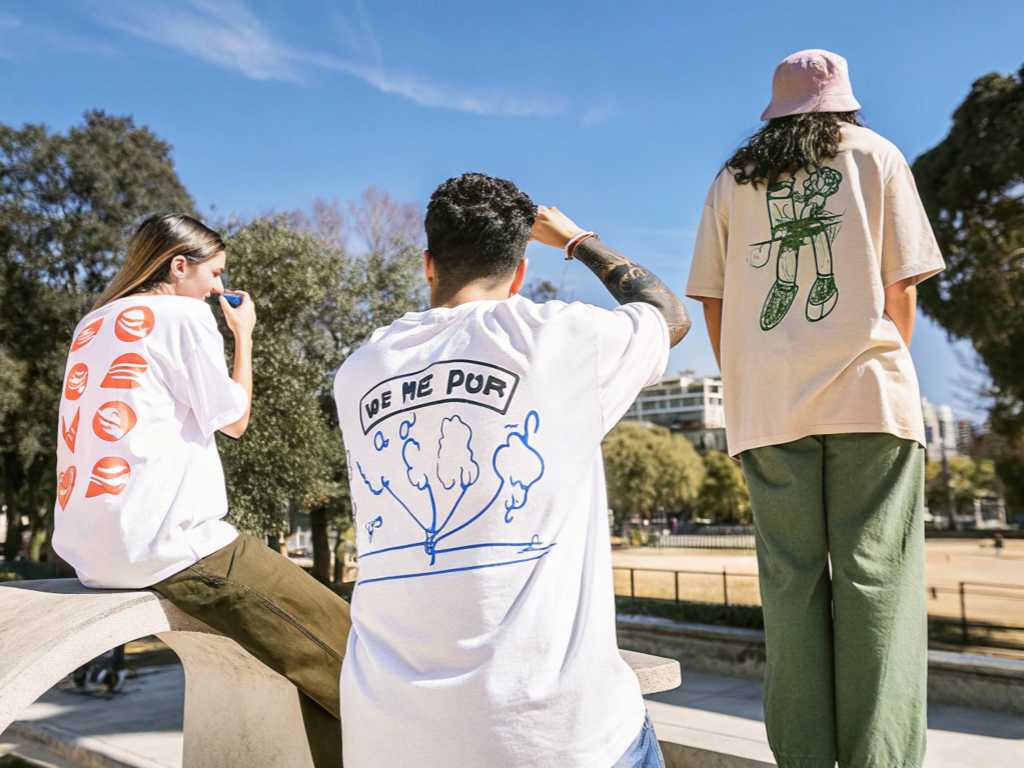
Streetwear Brand Small Batch Production
Small-batch production is ideal for:
- Testing new designs and colors.
- Minimizing inventory risk.
- Adjusting sizing and fit based on feedback.
Small vs Large Batch Production Example
| Feature | Small-Batch (10–100 units) | Large-Batch (1000+ units) |
|---|---|---|
| Flexibility | High | Low |
| Inventory Risk | Low | High |
| Product Testing | Easy | Difficult |
| Lead Time | 5–10 days | 20–35 days |
| Suitable for | Startups, influencers, small DTC brands | Established brands with high volume |
Quality Tips for Your Streetwear Brand
- Use pre-tested fabric samples for each order.
- Standardize measurements and grading to avoid sizing issues.
- Inspect prints, embroidery, and stitching before full production.
- Maintain consistent packaging and labeling to reinforce brand perception.
How to Grow Your Streetwear Brand
Scaling a streetwear brand is about balancing growth with consistency. Many startups struggle because they either expand too quickly, risking quality, or too slowly, missing market opportunities. Growth requires understanding sales data, optimizing marketing strategies, managing inventory effectively, and maintaining product quality across all batches.
Marketing Your Streetwear Brand Online
Effective marketing connects your products with your target audience and builds brand awareness.
Key steps include:
- Social media campaigns: Instagram, TikTok, and Pinterest remain top platforms for streetwear. Post at least 3–5 times per week, including product drops, lifestyle imagery, behind-the-scenes content, and user-generated posts.
- Email marketing: Collect email addresses through website sign-ups and special offers. Send weekly updates for new drops and promotions. Brands see average open rates of 20–30% and conversion rates around 2–5% for small DTC streetwear campaigns.
- Limited releases: Launch products in small batches to create urgency. Example: releasing 50–100 units per style can drive immediate sales and social media buzz.
- Collaborations: Partner with micro-influencers (5k–50k followers) to test demand. Engagement rates for micro-influencers often exceed 5–8%, making them cost-effective for new brands.
Social Media for Your Streetwear Brand
A strong social media presence builds community and encourages repeat purchases.
- Content variety: Use a mix of product shots, lifestyle photos, customer stories, and short videos.
- Engagement: Reply to comments, share customer posts, and run polls or giveaways.
- Analytics tracking: Track engagement metrics (likes, shares, comments, click-throughs) and conversion metrics (link clicks, purchases). For example, tracking weekly engagement can help optimize which product styles generate the most interest.
- Paid campaigns: Invest in small ad campaigns targeting your audience demographics. Typical ROI for targeted social media campaigns ranges from 2–4x in revenue per ad dollar spent.
Scaling Your Streetwear Brand
Scaling requires careful planning to increase production and reach without sacrificing quality or customer satisfaction.
- Gradual production increases: Start with small batches (20–100 units) and increase to 500, 1000, or more units as demand grows. Maintain the same factory for consistency. Modaknits can scale from 20 units to over 5,000 per month without changing suppliers.
- Inventory management: Use data to forecast sales for each style and size. Track SKU performance to avoid overstocking slow-moving items. Example: a basic hoodie in size M may sell 60% faster than size XS, guiding production decisions.
- Multi-channel selling: Combine website sales with social media shops, marketplaces, and pop-up events. For small brands, direct-to-consumer (DTC) channels provide higher margins.
- International shipping and logistics: Partner with factories or fulfillment centers that support multi-address shipping and dropshipping. This ensures fast delivery to multiple regions, reducing cart abandonment. Example: fast shipping (3–5 days via courier) can increase conversion rates by 15–20%.
- Customer retention: Offer loyalty programs, repeat-customer discounts, and early access to limited drops. Retaining 10–20% of customers can generate 40–50% of revenue in recurring sales.
Example: Scaling Metrics for Streetwear Brand
| Metric | Small Batch (10–100 units) | Medium Batch (500–1000 units) | Large Batch (2000+ units) |
|---|---|---|---|
| Lead Time | 5–10 days | 10–15 days | 20–30 days |
| Production Flexibility | High | Medium | Low |
| Inventory Risk | Low | Medium | High |
| Customer Reach | Local/online community | Regional | National/International |
| Marketing Investment Required | Low | Medium | High |
By following these strategies, a streetwear brand can grow steadily while maintaining product quality, consistent sizing, and strong customer relationships. Growth is not only about increasing production but also ensuring that every customer receives the same experience as early adopters.
Partnering with a reliable manufacturer like Modaknits ensures that scaling does not compromise quality or lead time. Their experience in streetwear and activewear allows brands to scale from 20 units to thousands, maintain fabric and fit consistency, and support fast turnaround for repeat orders.
Conclusion
Starting a streetwear brand in 2026 requires a balance of creativity, strategy, and reliable production. By understanding your audience, analyzing competitors, building a strong brand identity, and partnering with a manufacturer who can support both small-batch testing and large-scale production, you can reduce risk and accelerate growth. Consistency in sizing, fabric quality, and design ensures repeat customers and strengthens brand loyalty.
Partnering with Modaknits provides brands with a clear path from initial sample making to full-scale production. Their expertise in streetwear and sportswear allows brands to start small, test designs, and scale without sacrificing quality. With fast turnaround times, flexible production options, and reliable logistics, Modaknits supports brands at every stage of their development.
If you are ready to bring your streetwear brand to life, start by contacting Modaknits today to discuss custom production, fabric options, and small-batch sampling. Take the first step toward launching a brand that resonates with customers and grows sustainably.