Skip to content
Ever wondered why T-shirt prices range from a few dollars to over $80—even when they look similar? The truth is, not all T-shirts are created equal. A good quality tee combines premium materials1, precise construction, and ethical manufacturing, which all add to its cost. Understanding these factors helps buyers and brands make informed decisions and avoid disappointment.
A good quality T-shirt typically costs $5–$12 at the wholesale level, depending on fabric, fit, manufacturing standards, and certifications. At retail, prices can range from $20–$80+ for premium or luxury tees, with fabric, construction, and branding as key drivers.
As a manufacturer, I see how each choice—from raw cotton to finishing—directly impacts both cost and value. Here’s what to consider when budgeting for quality tees in 2025.
What Defines a “Good Quality” T-Shirt in 2025?
Quality means more than just a soft hand-feel. It’s a combination of premium materials, skilled construction, and ethical practices—delivering comfort, longevity, and responsible sourcing.
A good quality T-shirt is defined by fabric softness, strong stitching, high durability2, appropriate GSM (grams per square meter), quality fibers, and refined finishings. All these elements work together for a great fit and lasting wear.
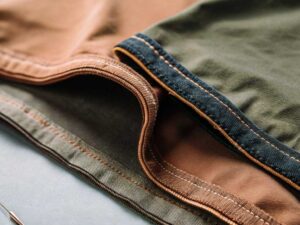 Hem Detail
Is it about fabric softness, stitching, durability—or all combined?
All of these combined. True quality is the sum of soft, long-staple cotton (like Pima or Supima), dense and even stitching, durable construction, and resistance to pilling, shrinkage, and fading.
- Softness: Premium cotton or blends, well-combed and finished, feel gentle against the skin.
- Stitching: Tight, flat, and consistent stitching ensures shape retention and seam strength.
- Durability: Top-quality tees withstand dozens of washes without losing fit or color.
- Other Factors: Pre-shrunk, double-stitched hems and reinforced collars also signal superior craftsmanship.
How do GSM, fiber type, and finishings impact perceived quality?
Higher GSM (typically 160–220), long-staple or combed cotton, and finishings like enzyme or silicon wash all improve hand-feel and appearance. They also enhance drape and long-term performance.
- GSM: 160–180 GSM is standard for all-season tees; heavier (200+) feels more substantial, but isn’t always softer.
- Fiber Type: Extra-long staple cottons (Pima, Supima) resist pilling and stay soft longer. Modal or bamboo blends add silkiness.
- Finishings: Enzyme washes, silicone finishes, and garment dyeing give a refined, premium look and touch.
| Factor | Quality Impact | What to Look For |
|---|---|---|
| GSM | Durability, drape | 160–220 GSM (mid-high) |
| Fiber type | Softness, longevity | Pima, Supima, organic, modal |
| Finishings | Feel, appearance | Enzyme/silicon wash, garment dye |
Cost Breakdown: From Manufacturer to Retail Shelf
The price you pay at the store covers much more than just raw material. Understanding the journey from factory floor to checkout explains why costs can add up.
Premium cotton tees from top manufacturers usually cost $5–$12 per unit at wholesale, depending on order size, fabric, labor, and finishing. Retail markups range from 2–5x, covering shipping, branding, marketing, and retailer margins.

For orders of 500–5,000 pieces, manufacturers typically charge:
- Standard combed cotton: $4–$7 per shirt
- Organic or Supima cotton: $6–$12 per shirt
- Modal/Bamboo blends: $6–$14 per shirt
Costs rise with:
- Certified organic cotton (GOTS, OEKO-TEX)
- Heavyweight fabric (200+ GSM)
- Custom dyeing, printing, or complex construction
| Material/Feature | Manufacturer Price (USD) |
|---|---|
| Basic cotton | $4–$7 |
| Supima/organic | $6–$12 |
| Modal/bamboo blend | $6–$14 |
What’s the typical markup from factory to consumer price?
Markups are usually 2–4x for DTC (direct-to-consumer) and up to 5x for luxury retail. A $7 tee might retail for $28–$35 at a brand like Everlane, or $50+ for luxury brands.
- DTC Brands: Lower markups, invest more in packaging or storytelling.
- Multi-brand Retailers: Higher markups to cover retail overheads, marketing, and logistics.
- Luxury Brands: Markups reflect exclusivity, branding, and design cachet.
Price Ranges by Market: Budget vs Premium vs Luxury T-Shirts
Understanding the full range helps you set expectations—and make choices based on your brand or shopping goals.
Budget T-shirts can cost $2–$5 wholesale and $8–$20 retail, but quality is variable. Good quality basics range $5–$12 wholesale, $20–$50 retail. Premium and luxury tees can reach $80 or more, often reflecting materials, finishing, and brand value.
Is $5-$10 wholesale realistic for good quality basics?
Yes, $5–$10 is a fair range for good quality 100% cotton, 160–180 GSM, well-finished tees, especially with mid-sized orders from reputable manufacturers.
At this range, you can expect:
- Combed cotton, clean stitching
- Good shrinkage and colorfastness
- Basic prints or labels included
- Not usually Supima or complex custom features
What makes $30–$80 tees from brands like Everlane or Reigning Champ worth it?
Higher prices reflect premium materials (Supima, organic cotton, blends), advanced finishing, responsible manufacturing, and brand equity. Fit, feel, and long-term durability are often noticeably better.
- Material: Supima or specialty fibers, 200+ GSM, garment-dyed or enzyme-washed
- Manufacturing: Ethical factories, certifications, and custom details
- Branding: Exclusive drops, unique stories, and superior packaging
| Price Tier | Typical Features |
|---|---|
| $20–$35 | Good basics, combed cotton, clean finish |
| $35–$60 | Organic, Supima, premium fit, garment-dyed |
| $60–$80+ | Designer brands, specialty blends, exclusives |
When Is It Worth Paying More for a T-Shirt?
You get what you pay for—especially if you value fit, feel, longevity, and ethical sourcing.
Premium tees often outlast budget basics, retain their fit and softness, and are produced in safer, more ethical environments. Eco-certifications and responsible manufacturing add long-term value.

Yes. High-end T-shirts typically last 2–3 times longer, hold their shape after washing, and become even softer with wear. Investment in fit and finishing makes a noticeable difference.
- Fit: Premium brands invest in pattern-making and graded sizing for a better silhouette.
- Longevity: Double-stitched seams, pre-shrinking, and superior dyeing ensure many seasons of wear.
- Softness: Enzyme and silicon finishes maintain luxurious hand-feel even after multiple washes.
How do eco-certifications3 or ethical production affect cost—and value?
Certifications like GOTS or Fair Trade increase price by 10–30%, but guarantee safer, more ethical, and sustainable production. For many, that peace of mind is worth the extra investment.
Eco-certifications:
- Ensure non-toxic dyes and ethical labor
- Improve traceability and supply chain transparency
- Appeal to conscious consumers, enhancing brand reputation
| Certification/Standard | Added Cost | Added Value |
|---|---|---|
| GOTS Organic | 10–20% | Eco, non-toxic, ethical |
| Fair Trade | 5–10% | Social responsibility |
| OEKO-TEX | 5–10% | No harmful chemicals |
Conclusion
A good quality T-shirt usually costs $5–$12 wholesale and $20–$80 retail, depending on material, construction, and brand. Investing in premium fabrics and ethical manufacturing delivers better fit, comfort, and longevity—making every dollar spent truly worthwhile.
-
Explore how premium materials enhance comfort, durability, and overall quality in T-shirts, making them a worthwhile investment. ↩
-
Understand the importance of durability in T-shirts and how it contributes to long-term value and satisfaction for consumers. ↩
-
Learn about eco-certifications like GOTS and Fair Trade, and how they ensure ethical production and sustainability in fashion. ↩