Skip to content
Frustrated by gym clothes that lose elasticity, fade, or deteriorate rapidly? Frequent washing, intense workouts, and improper care can quickly ruin your favorite activewear1, causing discomfort and wasting money. Fortunately, adopting smart washing, drying, and storage habits can significantly prolong their lifespan, keeping them fresh and supportive.
To extend your gym clothes’ lifespan, wash them in cold water using gentle detergents, avoid fabric softeners, and air-dry instead of machine drying. Properly storing activewear—either folded neatly or hung loosely—also prevents stretching and preserves elasticity. Regular maintenance ensures durability, comfort, and maximum performance over time.
I’ve personally seen clients dramatically increase their activewear’s durability by simply adjusting care routines. Let’s explore detailed tips to protect your investment in gym clothes.
Why Do Gym Clothes Wear Out Faster Than Regular Clothing?
Gym clothes take a tougher beating compared to your everyday outfits. Understanding why this happens is key to preventing rapid deterioration.
Workout clothing wears out quickly primarily due to frequent washing, exposure to sweat and oils, constant stretching, and the breakdown of synthetic fibers2 like spandex and polyester. These fabrics, although durable initially, degrade faster under harsh conditions compared to natural fibers used in everyday clothes.
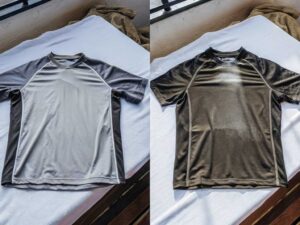 Performance Tee Test
Is it due to frequent washing, sweat, or fabric tension?
Yes, frequent washing, sweat, and continuous stretching significantly accelerate wear on activewear. Sweat and body oils penetrate fibers, and repetitive washing cycles—especially with heat and harsh detergents—weaken and degrade fabrics, causing loss of elasticity, fading, and thinning.
Sweat contains salts, oils, and acids that steadily degrade fibers when not removed quickly. Washing too frequently in hot water further weakens fabric structure. Additionally, gym clothes are constantly stretched and moved during workouts, placing ongoing mechanical stress on fibers. These factors collectively reduce garment longevity.
| Factor | Effect on Gym Clothes |
|---|---|
| Frequent washing | Weakens fibers, fades colors |
| Sweat exposure | Breaks down fabric integrity |
| Continuous tension | Reduces elasticity and durability |
Do synthetic materials like spandex and polyester degrade faster?
Synthetic materials like spandex and polyester degrade quicker than natural fabrics under intense conditions. While durable initially, these synthetic fibers lose elasticity and break down more rapidly when repeatedly exposed to heat, sweat, oils, and mechanical stress.
Spandex (elastane) is essential for stretch and recovery but is highly sensitive to heat and harsh chemicals. Polyester, though more resilient, accumulates oils and odors over time, leading to gradual weakening. Understanding material vulnerabilities helps you choose fabrics wisely and tailor your care routine to preserve them longer.
| Fabric Type | Durability | Weaknesses |
|---|---|---|
| Spandex/Elastane | Moderate | Heat, chemicals, repeated stretching |
| Polyester | Good | Odor retention, oil buildup, pilling |
Best Washing Practices to Extend Gymwear Lifespan
Proper washing habits greatly impact your gym clothing’s durability and performance. Small changes in laundry routines can dramatically extend garment life.
Wash workout clothes in cold water with mild detergents specifically designed for activewear. Always avoid fabric softeners—they coat fibers and reduce moisture-wicking and breathability. Gentle washing preserves elasticity, color, and structural integrity.

Should you wash workout clothes in cold water with gentle detergent?
Yes. Cold water washing with gentle detergents prevents heat damage and protects delicate fibers. Specialized sports detergents effectively remove sweat and odors without harsh chemicals, extending garment lifespan significantly.
Hot water washing significantly accelerates fabric breakdown by weakening synthetic fibers, causing shrinkage, color fading, and loss of elasticity. Mild detergents specifically formulated for activewear remove odors, oils, and sweat residues without harshness. Making this simple switch drastically improves the longevity and effectiveness of your gym clothes.
| Washing Method | Impact on Activewear Lifespan |
|---|---|
| Hot water + harsh detergents | High degradation, rapid fiber weakening |
| Cold water + gentle detergents | Minimal fiber damage, long-term durability |
Why is avoiding fabric softener critical for performance fabrics?
Fabric softeners reduce breathability and moisture-wicking performance in activewear. They leave chemical coatings on fibers that trap sweat and odors, accelerating fabric deterioration and compromising garment functionality.
Fabric softeners coat activewear fibers, blocking their engineered features like moisture management and breathability. This coating traps sweat and bacteria, leading to odors and rapid fiber breakdown. Instead, opt for vinegar-based rinses or specialized activewear detergents to maintain fabric performance and cleanliness.
| Product | Impact on Fabric Performance |
|---|---|
| Fabric softener | Blocks moisture-wicking, traps odors |
| Vinegar rinse or sports detergents | Restores performance, removes odor buildup |
Drying & Storing Tips That Preserve Elasticity and Color
Proper drying and storage techniques also significantly extend activewear life by maintaining elasticity and preventing premature fabric aging.
Air-drying gym clothes is superior to machine drying, as heat severely weakens elastic fibers and fades colors. When storing, fold neatly or hang gently without stretching, preventing fiber distortion and odor retention.

Is air-drying3 better than machine drying for gym clothes?
Absolutely. Air-drying preserves elasticity, prevents shrinking, and maintains vibrant colors. Machine drying, especially at high heat, accelerates fiber degradation, leading to rapid loss of fit, comfort, and performance.
Heat exposure from dryers is extremely damaging to activewear fibers, especially spandex. It weakens fiber bonds, permanently stretching and reducing elasticity. Air-drying not only extends lifespan but also prevents shrinking, ensuring clothes maintain their original shape and supportiveness for far longer.
| Drying Method | Elasticity Preservation | Color Retention |
|---|---|---|
| Machine drying | Poor | Moderate-Poor |
| Air-drying | Excellent | Excellent |
How should you fold or hang activewear to avoid stretching or odor buildup?
Fold activewear loosely or hang it gently on broad hangers to prevent stretching and distortion. Ensure garments are completely dry before storing to prevent moisture and odor buildup.
Improper storage, like tightly folded stacks or thin hangers, stretches out fabric permanently. Broad, padded hangers or neatly folded garments placed loosely in drawers prevent unnecessary tension. Always store gym clothes in well-ventilated, dry spaces to avoid lingering odors or mildew from residual moisture.
| Storage Method | Effectiveness |
|---|---|
| Tightly folded or thin hangers | Poor; stretches fabric |
| Loose folds or padded hangers | Excellent; maintains elasticity |
Signs It’s Time to Replace vs Maintain Your Workout Clothes
Knowing when to maintain and when to replace your activewear ensures comfort and hygiene while avoiding waste.
Replace workout clothing when it loses support, elasticity, and comfort, or when fabric deterioration is evident, such as excessive pilling or persistent odors. Regularly checking these signs helps maintain performance and comfort standards.
How can you tell if your leggings or sports bra has lost support or fit?
Loss of elasticity, visible sagging, or lack of snugness indicates garments have lost their supportive properties. This impacts comfort and effectiveness, signaling it’s time for replacement.
Check for signs like persistent sagging after washing, stretched-out waistbands, or straps that no longer hold their shape. These indicators confirm fiber breakdown and compromised support. Continuing to use overstretched activewear risks discomfort or inadequate performance during workouts.
Is pilling or odor retention a signal to toss or repurpose?
Yes. Persistent pilling indicates severe fiber degradation, and strong odor retention despite proper washing signals accumulated bacterial buildup. Both issues suggest it’s best to replace or repurpose these garments.
While mild pilling might be manageable, extensive pilling shows serious fiber wear, affecting garment appearance and comfort. Persistent odors usually mean bacterial growth deep within fabric fibers, which washing won’t fully remove. At this point, repurposing or recycling the clothing is often more practical and hygienic.
| Condition | Recommendation |
|---|---|
| Mild pilling, manageable odors | Maintain |
| Excessive pilling, strong odors | Replace or repurpose |
Conclusion
Proper care, including gentle washing, air-drying, and careful storage, significantly prolongs the lifespan of your gym clothes. Recognizing when garments need replacement ensures optimal comfort, performance, and hygiene. Adopting these smart practices helps maintain your activewear’s integrity, maximizing your investment over time.
-
Explore this resource to learn effective strategies for keeping your activewear in top condition and extending its lifespan. ↩
-
Understanding the degradation of synthetic fibers can help you choose better materials and care methods for your gym clothes. ↩
-
Discover the benefits of air-drying your gym clothes to maintain their elasticity and color, ensuring they last longer. ↩