Skip to content
At first glance, sweatshirt1s and henley2s might seem interchangeable—they both have long sleeves and work in casual looks. But when it comes to fabric, construction, and function, they’re completely different animals.
A sweatshirt is a warm pullover made from thick knit fabric with ribbed cuffs, while a henley is a lightweight, collarless shirt with a buttoned placket designed for layering or standalone wear.
I learned the hard way when a client in the U.S. placed a "henley" reorder and we mistakenly sampled fleece pullovers. That mistake cost us a few weeks—and it taught me to never confuse the two again. Here’s how you can avoid that.
What Is a Sweatshirt?
The sweatshirt is a closet staple, built for warmth and often used across sports and lifestyle categories.
A sweatshirt is a heavyweight pullover with ribbed cuffs, hem, and a soft brushed interior—designed to provide warmth and comfort in cool weather.
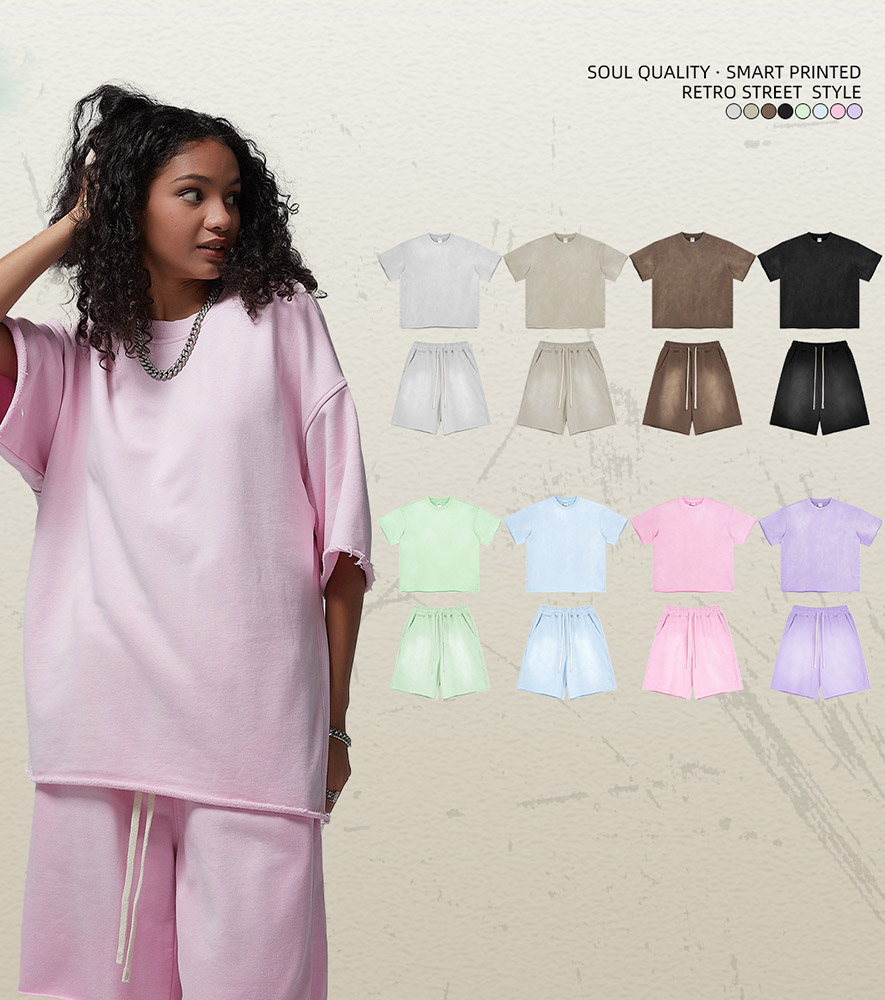
 Street Lounge Look
Origin & Key Features
Sweatshirts were born out of sportswear innovation in the early 20th century. Designed to replace itchy wool uniforms, they introduced breathable comfort to athleticwear.
| Feature | Description |
|---|---|
| Fabric | Cotton fleece, terry, or blends |
| Hem/Cuffs | Ribbed for insulation |
| Collar | Crewneck or mock neck |
| Weight | Medium to heavy |
| Fit | Relaxed, often oversized |
They’re warm, cozy, and perfect for transitional seasons or cold days.
Common Uses
Sweatshirts are incredibly versatile. They’re seen in:
- Sportswear: Warm-ups, cool-downs
- Streetwear: Bold graphics and oversized fits
- Casualwear: Easy everyday outfits
- Loungewear: WFH and rest days
Their structure also makes them ideal for prints and branding—hence their popularity in collegiate and streetwear labels.
What Is a Henley Shirt?
The henley bridges the gap between a tee and a polo—offering classic appeal with a rugged edge.
A henley shirt is a lightweight, collarless garment with a round neckline and buttoned placket, originally worn by rowers in Henley-on-Thames.
Origin & Key Features
Henleys were originally athletic uniforms for rowers. Over time, they evolved into casualwear icons, especially in American heritage and workwear fashion.
| Feature | Description |
|---|---|
| Collar | None—just a round neckline |
| Placket | Buttoned, usually 2–5 buttons |
| Sleeves | Short or long-sleeve versions |
| Fit | Slim or regular |
| Fabric | Lightweight cotton, modal, waffle knit |
Common Uses
Henleys offer a timeless look that works well in:
- Casual Basics: Easy weekend outfits
- Layering: Under flannels, sweaters, jackets
- Heritage Styling: Paired with jeans, boots, or chore jackets
It’s the kind of garment that ages well and suits multiple seasons.
Key Differences at a Glance
These two pieces serve very different style and utility functions.
Sweatshirts are built for warmth and layering, while henleys offer breathable comfort with a classic, structured look.
Neckline Construction
| Feature | Sweatshirt | Henley |
|---|---|---|
| Neckline | Crewneck or mock neck | Round neck with button placket |
| Collar | None | None |
| Buttoned? | No | Yes (2–5 buttons) |
The presence of a placket on a henley gives it visual structure and makes it more formal than a tee—but still relaxed.
Fabric Weight and Feel
Sweatshirts use:
- Mid-heavy weight fleece (280–400gsm)
- Brushed inside for insulation
Henleys use:
- Lightweight jersey or rib-knit (150–220gsm)
- Smooth or waffle texture for breathability
This weight difference makes sweatshirts better for outer layers and henleys better for underlayers.

Styling and Occasions
- Sweatshirts: Urban, relaxed, athletic, campus
- Henleys: Heritage, casual, Americana, smart-casual
Sweatshirts are often oversized. Henleys tend to follow the body more, making them suitable for layering under structured pieces like coats or chore jackets.
Seasonality and Layering Use
| Season | Sweatshirt | Henley |
|---|---|---|
| Spring | Over tees or with joggers | Alone or under denim jackets |
| Summer | Rare, unless lightweight fleece | Very popular, breathable |
| Fall | Ideal for layering under coats | Base layer under knits |
| Winter | Thermal layering, fleece lining | Worn under sweatshirts or flannels |
Which One Should You Wear?
Still not sure? Here’s a quick guide based on your style needs.
For Warmth & Layering – Choose a Sweatshirt
Sweatshirts are essential in colder months or when you want a cozy, oversized fit. They’re especially useful when:
- You’re layering over thermals or tees
- You need warmth without bulk
- You’re styling for streetwear or athleisure
For a Lightweight, Versatile Base – Choose a Henley
Henleys shine when comfort and breathability matter.
- Easy to wear on their own or under jackets
- More structured than a tee, less stuffy than a polo
- Great for transitional weather or indoor layering
Fashion Tip: Layer a Henley Under a Sweatshirt for a Rugged Look
I often recommend this to clients going for a rugged, heritage vibe. Choose:
- Waffle-knit henley under a crewneck sweatshirt
- Roll the sleeves slightly
- Pair with dark denim and boots
It’s a masculine, textured look that photographs beautifully for brand campaigns.

Industry Insight: Buyer’s Guide for Product Development
When you’re sourcing or designing for a collection, understanding the behind-the-scenes specs matters.
Fabric Considerations
| Garment | Preferred Fabrics |
|---|---|
| Sweatshirt | Cotton fleece, brushed French terry |
| Henley | Cotton jersey, waffle knit, modal |
Henleys require stronger stitch tension at the placket and buttonholes. Sweatshirts need more GSM control for proper drape.
Regional Style Preferences
- USA: Henleys are popular for workwear and vintage looks; sweatshirts dominate streetwear and sportswear
- EU: Sweatshirts in minimalist tones sell better; Henleys mostly appear in capsule collections
- Asia: Sweatshirts, especially oversized or pastel-toned, are trending. Henleys less so—consider limited drops
Sizing and Fit Expectations by Market
| Market | Sweatshirt Fit | Henley Fit |
|---|---|---|
| USA | Oversized, roomy | Slim to regular |
| EU | Streamlined, true-to-size | Tailored and fitted |
| AU | Relaxed but structured | Regular or surf-style |
Henleys are often judged on placket stiffness and neckline placement. Sweatshirts are more forgiving, but rib quality matters.
Final Thoughts: Why Knowing the Difference Matters
Sweatshirts and henleys serve different purposes in your wardrobe—and in your brand strategy. Sweatshirts bring warmth and comfort. Henleys offer structure and casual elegance. Knowing when and how to use each can elevate both personal style and product development.