Skip to content
Sweatshirt or hoodie? If you’re building a fashion brand or refreshing your wardrobe, this choice comes up a lot. It might seem simple—but each has different functions, styles, and industry insights behind them.
A sweatshirt has no hood, typically features a crewneck collar, and is great for layering or gym wear, while a hoodie includes a hood and usually a front pocket, making it better for streetwear1 or cooler weather.
Once I got a sample order completely wrong—thinking a client said “sweatshirts” when they actually meant hoodies. That moment pushed me to study these differences deeply. Here’s what I found and what you should know before your next product line or bulk order.
What Is a Sweatshirt?
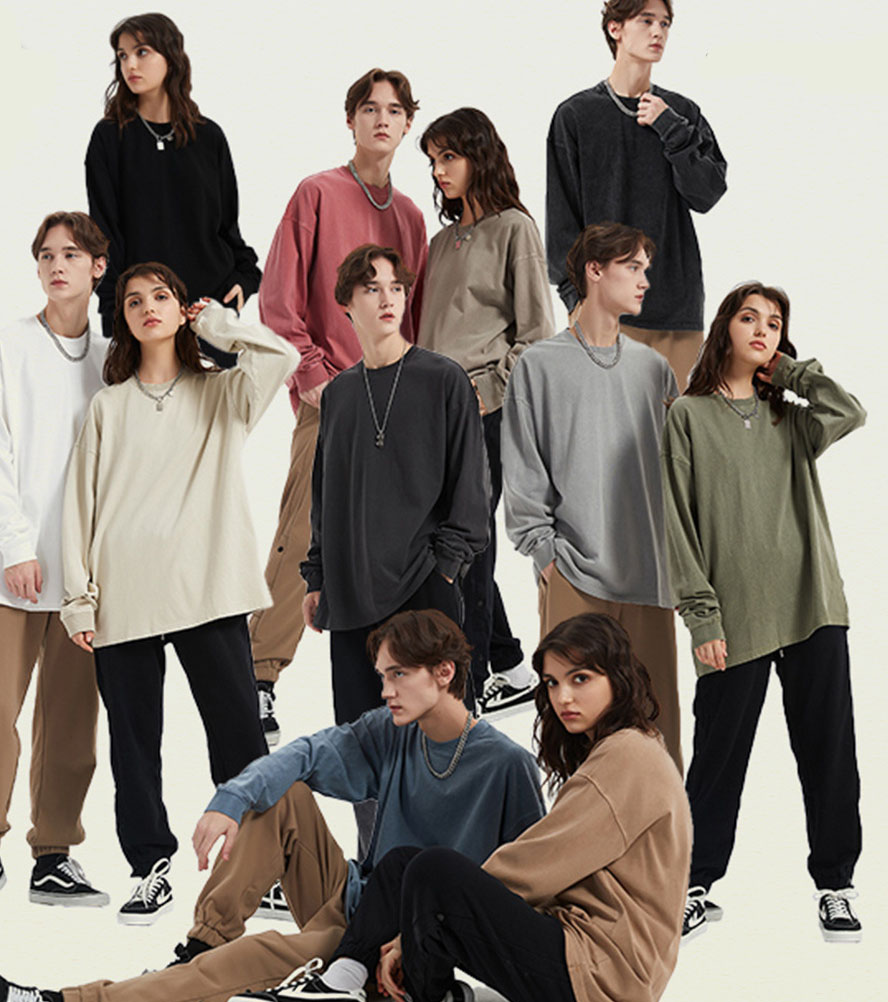
A sweatshirt is often your go-to piece for comfort, layering, and versatility. Its timeless look makes it ideal for those who prefer a low-key style without sacrificing warmth.
A sweatshirt is typically made from cotton fleece or terry, features a crewneck collar, and lacks a hood—making it great for layering and general wear.
 Olive Lounge Style
Basic Construction & Materials
Sweatshirts are usually made from:
| Fabric Type | Description |
|---|---|
| Cotton Fleece | Soft on the inside, warm, used for premium casualwear |
| French Terry | Lightweight and breathable, ideal for warmer climates |
They are sewn with ribbed cuffs and bottom hems, and the inside can be brushed or unbrushed depending on the warmth you want. Most sweatshirts don’t have any kind of pocket, making them streamlined and ideal for layering under jackets or coats.
Common Styles & Uses
Sweatshirts come in pullover form, usually with minimal branding or designs. They’re used for:
- Gym warm-ups
- College branding
- Athleisure collections
- Cozy loungewear
In fashion collections, I’ve found they’re also perfect as canvas pieces—great for embroidery, prints, or dye techniques.
What Is a Hoodie?
The hoodie has become a cultural icon. It’s more than a top—it’s a fashion statement2. If you’re building a collection aimed at youth or urban markets, hoodie development is essential.
A hoodie has a built-in hood, often drawstrings, and commonly features a kangaroo pocket. It’s a sporty, streetwear-driven item that offers comfort and coverage.
Defining Features
The standout features of a hoodie include:
- Attached hood (usually double-layered)
- Drawstrings for adjustable fit
- Kangaroo pocket in front for warmth and storage
- Thicker ribbing to handle extra fabric weight
These features make hoodies protective against wind and slightly more functional in cold weather.
How It’s Typically Styled
Hoodies are often worn:
- As outerwear during transitional seasons
- Under oversized coats for streetwear layering
- With matching joggers for a set look
- With logos or graphic prints for brand visibility

Cultural and Retail Impact
The hoodie isn’t just functional—it’s political and fashionable. Streetwear brands have used the hoodie to build brand loyalty, while luxury labels reimagined it as a high-ticket item. Depending on your target market, the hoodie’s meaning can shift—from casual comfort to rebellious style.
Key Differences Between Sweatshirts and Hoodies?
This side-by-side comparison helps clarify design and use distinctions:
| Feature | Sweatshirt | Hoodie |
|---|---|---|
| Neckline | Crewneck | Hooded with drawstrings |
| Pockets | Rare or none | Often has kangaroo/front pocket |
| Design Intent | Simpler, classic | Sporty, urban, protective |
| Layering | Easy under jackets | Bulkier due to the hood |
| Use Cases | Lounging, minimalist | Streetwear, casual outerwear |
Sweatshirts offer simplicity and layering ease, while hoodies bring functional style and urban influence.
Design Implications
When developing collections, I weigh this carefully:
- Sweatshirts: Better for spring launches, minimalist edits, or layering pieces in lookbooks.
- Hoodies: Ideal for Fall/Winter drops or capsule collections tied to a cultural or streetwear angle.
Material cost also differs slightly—hoodies require more fabric and stitching.
When to Wear a Sweatshirt vs. a Hoodie?
Weather, style, and function all guide this choice. Let’s break it down:
Based on Season and Weather
Sweatshirts are better for mild, cool weather, while hoodies offer more protection in windy or colder climates.
- Spring/Fall: Sweatshirts for daily wear
- Winter: Hoodies with insulation or worn under coats
- Rainy Days: Hoodie’s hood helps when caught without an umbrella
Based on Fashion Aesthetic (Minimalist vs. Urban)
Minimalist brands prefer sweatshirts for cleaner silhouettes. Urban/streetwear brands lean heavily into hoodies for their bulk, graphic placement, and edgier vibe.
Based on Occasion (School, Gym, Travel, Date)
| Occasion | Better Choice | Why |
|---|---|---|
| School | Hoodie | Comfort + pockets for utility |
| Gym | Sweatshirt | Less bulk, easy to remove post-workout |
| Travel | Hoodie | Protection + pocket convenience |
| Date | Depends on style | Minimalist? Go sweatshirt. Streetwear? Go hoodie. |
Industry Tips: Hoodie vs. Sweatshirt for Product Development
This section is for design directors and sourcing managers. The differences go beyond looks.

Fabric Weight and Yarn Selection
- Sweatshirts: Often use mid-weight yarns like 280gsm fleece
- Hoodies: Need heavier options (320gsm and above) to support the hood and structure
| Garment Type | Common GSM Range |
|---|---|
| Sweatshirt | 240–300 gsm |
| Hoodie | 300–400 gsm |
Yarn twist and fleece brushing also affect the final feel and look. It’s worth testing multiple mills before locking one in.
Target Market Considerations
If you’re selling in:
- North America: Hoodies dominate streetwear and collegiate markets
- Europe: Sweatshirts are more prominent in minimalist and retro edits
- Asia: Lightweight hoodies work well in humid cities
Always study your demographic’s lifestyle. Hoodies are loved by Gen Z; sweatshirts appeal more to Millennials seeking “quiet luxury.”
Sizing and Fit Trends by Region (US vs EU)
- US: Oversized hoodies are still leading
- EU: Slim-fit sweatshirts for layering
- AU: Lighter-weight hoodies for outdoor sports
Fit affects everything—from pattern grading to packaging. Oversized hoodies take up more volume and require better folding for retail shelves.
Conclusion
In short, pick based on your brand story and your customers. If they want bold, street-ready fits—go hoodie. If they value timeless, versatile staples—go sweatshirt.