Skip to content
Not all hoodies are created equal. Some are built for performance, others for comfort—or simply for showing off your brand. Understanding their differences helps you make smarter product decisions.
There are many types of hoodies, including pullover, zip-up, sleeveless, oversized, cropped, and performance styles. They vary by function, fit, and fabric—and are often designed to serve specific market needs.
What are hoodies classified?
Let’s break them down by structure, function, and fit. Each type serves a purpose and appeals to a specific audience.
Hoodies can be classified by design (pullover or zip-up), fit (regular, oversized, cropped), fabric (fleece, French terry, performance), and use case (loungewear, gym, fashion, utility).
Pullover Hoodie

Pullover hoodies seem to be everywhere—on streets, in gyms, at airports. But why do people keep choosing them over and over again? Especially when trends are shifting so fast?
A pullover hoodie is a collarless, slip-on sweatshirt with a hood, often made from cotton or fleece, designed for both comfort and style. It’s loved for its versatility, coziness, and ability to express personality without saying a word.
What is a pullover hoodie?
We wear them all the time. But what exactly qualifies as a pullover hoodie?
A pullover hoodie is a sweatshirt-style top with a hood and no zipper, worn by pulling it over the head. It usually features a kangaroo pocket and drawstring hood, designed to provide warmth and a casual look.
The Anatomy of a Pullover Hoodie
| Feature | Description |
|---|---|
| Hood | Offers warmth, anonymity, and protection from wind/rain |
| Pullover Design | No front opening—retains heat better than zip-ups |
| Kangaroo Pocket | Practical storage and a casual resting place for hands |
| Ribbed Cuffs/Hem | Keeps warmth in and adds to the structure |
This simple design has become a global staple. From athletes to students, musicians to CEOs—people love how easy it is to throw on a hoodie and feel good in it.
Why are pullover hoodies so popular?
The hoodie isn’t just popular—it’s iconic. But why?
Pullover hoodies are popular because they combine comfort, functionality, and style. They suit nearly every body type, work in most casual settings, and can be dressed up or down depending on the occasion.
They’ve become everyday armor. Whether you’re headed to the gym, running errands, or joining a Zoom call, you don’t have to think twice about wearing one. It just works.
Zip-up Hoodie

We’ve seen pullover hoodies dominate streetwear, but zip-up styles are quietly returning. Is it a nostalgia-driven trend, or do they offer something pullovers can’t?
Zip-up hoodies are also known as full-zip hoodies or zip-front hoodies. They’re practical, easy to layer, and offer a different kind of versatility compared to pullovers.
What are zip-up hoodies called?
Different names, same function. But what exactly is the proper term?
Zip-up hoodies are commonly referred to as “full-zip hoodies” or “zip-front hoodies.” Unlike pullovers, they feature a full-length zipper down the front, allowing for easy wear and temperature control.
Basic Comparison Table
| Hoodie Type | Design Feature | Convenience Level |
|---|---|---|
| Pullover Hoodie | No zipper, one-piece style | Medium |
| Zip-up Hoodie | Full-length front zipper | High |
| Half-zip Hoodie | Zipper halfway down the chest | Moderate |
Zip-up hoodies are especially popular in activewear, where quick layering and temperature control matter.
Are zip-up hoodies still in style?
Styles shift fast. So where do zip-up hoodies stand now?
Yes, zip-up hoodies are still in style—especially in streetwear, athleisure, and techwear categories. The trend leans toward minimalist designs, oversized fits, and premium fabric blends.
Fashion influencers and gym-goers alike are bringing zip-ups back, especially in neutral palettes and clean silhouettes. Brands like Fear of God, Nike Tech, and Lululemon have made the zip-up relevant again.
Are pullover or zip-up hoodies better?
It’s a common debate. Which one’s actually better?
Pullover hoodies offer more warmth and a cleaner silhouette, while zip-up hoodies provide convenience and better breathability. The best choice depends on lifestyle, purpose, and styling preference.
Half-Zip Hoodie

From streetwear to golf courses, half-zip styles have quietly gained ground. But many still get confused by the names. Is it half zip? Quarter zip? Same thing?
A half zip-up hoodie is typically called a “half-zip” or “quarter-zip” hoodie. Both terms are used interchangeably to describe a pullover with a zipper that extends partially from the neckline to the chest.
What is a half zip-up called?
People love the look—but the terminology often leads to confusion.
A half zip-up is often referred to as a “half-zip hoodie” or a “quarter-zip hoodie.” Both terms describe the same type of top, where the zipper starts at the collar and usually ends around the chest.
Common Names for This Style
| Name Used | Description |
|---|---|
| Half-Zip Hoodie | Zipper runs halfway from neck to mid-chest |
| Quarter-Zip Hoodie | Often the same as above—just a different term |
| Mock Neck Zip | Refers to the high collar paired with a zip closure |
Are quarter zip and half zip the same?
Time to settle the naming debate once and for all.
Yes, “quarter zip” and “half zip” usually refer to the same garment style. There is no strict industry distinction—both mean the zip extends partway down the chest, not full-length.
Cropped Hoodie

Cropped hoodies once symbolized youth and boldness. Today, they’re still showing up in gyms, streetwear, and social media feeds. But are they just a trend—or a timeless staple?
A cropped hoodie is a short-length sweatshirt with a hood, usually ending above the waistline. It combines casual comfort with a modern, edgy silhouette that flatters high-rise bottoms.
What is a cropped hoodie?
Let’s clarify the design—what makes a hoodie “cropped”?
A cropped hoodie is a hoodie with a shortened torso that typically ends above or just at the waist. It retains the hood and sweatshirt fabric but shifts the proportions for a more fashion-forward appeal.
Common Features of Cropped Hoodies
| Feature | Description |
|---|---|
| Shorter Body Length | Hem ends around midriff or waist |
| Full or No Pocket | Often without kangaroo pocket to avoid bulkiness |
| Loose or Slim Fit | Can be oversized, boxy, or fitted |
| Ideal Pairings | High-waisted leggings, jeans, or skirts |
In sampling, we often achieve the cropped look by shortening the hem, adding a wide waistband, or inserting a drawstring for a more adjustable silhouette. It keeps the relaxed hoodie vibe, but adds a strong sense of proportion and styling.
Are cropped hoodies still in style?
So in 2025, are cropped hoodies still trending?
Yes, cropped hoodies remain stylish, especially within Gen Z fashion, Y2K revival trends, and the ongoing popularity of athleisure. They’re worn not just in fitness contexts, but as key pieces in everyday fashion.
You’ll see them in TikTok OOTDs, viral Instagram posts, and gym selfies. We still receive regular orders for cropped hoodies from brands across the US, UK, and Europe.
Oversized Hoodie

You’ve seen them everywhere—baggy, cozy, and effortlessly cool. Oversized hoodies are back in the spotlight. But why is this ultra-relaxed fit dominating wardrobes again?
Oversized hoodies are trending because they represent comfort, self-expression, and a shift away from rigid fashion rules. Their loose silhouette aligns with modern lifestyles that prioritize freedom, gender fluidity, and individuality.
Why are oversized hoodies trending?
It’s not just about size—it’s about what oversized symbolizes today.
Oversized hoodies are trending because they reflect a desire for comfort, minimal effort, and personal freedom. They blur gender lines, fit more body types, and align with Gen Z’s preference for relaxed, inclusive fashion.
Key Reasons for the Oversized Hoodie Boom
| Reason | Description |
|---|---|
| Comfort-first mindset | Post-pandemic fashion prioritizes ease over structure |
| Streetwear & Y2K influence | Baggy styles are key in retro and street-inspired aesthetics |
| Gender-neutral appeal | Oversized fits cater to all genders, challenging traditional sizing |
| Layering versatility | Easy to pair with bike shorts, leggings, or cargo pants |
| Influencer-driven styling | Popularized by celebrities and TikTok fashion creators |
Drop Shoulder Hoodie

Scroll through any modern streetwear brand, and you’ll spot it: hoodies with seams that fall lower than the natural shoulder. It’s subtle, but it changes everything. So, what exactly is a drop shoulder hoodie?
A drop shoulder hoodie features a shoulder seam that sits lower than the natural shoulder line, creating a relaxed, slouchy look. It’s designed to give a more oversized and laid-back silhouette.
What is a drop shoulder on a hoodie?
It’s all in the seam. But why does it matter?
A drop shoulder on a hoodie means the sleeve seam is positioned lower than the tip of the shoulder, often closer to the upper arm. This creates a looser, more casual structure that emphasizes volume and drape.
Key Characteristics of Drop Shoulder Hoodies
| Feature | Description |
|---|---|
| Lowered shoulder seam | Seam drops below natural shoulder point |
| Relaxed sleeve line | Sleeves angle downward rather than straight across |
| Casual silhouette | Looks looser, ideal for oversized or unisex designs |
| Common pairing | Works well with wide-leg pants, joggers, or layered looks |
It’s one of the smallest design tweaks you can make—but it instantly makes the hoodie feel more modern and less athletic.
What is the difference between drop shoulder and regular fit?
They look similar to the untrained eye. But they fit and feel very different.
A drop shoulder hoodie shifts the shoulder seam downward to create an oversized, relaxed look. A regular fit hoodie aligns the seam with the natural shoulder line for a more traditional, tailored shape.
Drop Shoulder vs. Regular Fit Comparison
| Feature | Drop Shoulder | Regular Fit |
|---|---|---|
| Shoulder seam | Falls below natural shoulder | Aligns with natural shoulder line |
| Overall fit | Looser and roomier | More structured and fitted |
| Style vibe | Casual, trendy, streetwear | Classic, athletic, clean |
| Common use cases | Unisex, streetwear, Gen Z fashion | Teamwear, uniforms, basics |
Sleeveless Hoodie

They’re edgy, athletic, and often misunderstood. Sleeveless hoodies aren’t as common as full-sleeve versions, but they definitely have a place in activewear and fashion. So, what are they really called?
Sleeveless hoodies are commonly referred to as “sleeveless hoodies” or “hooded tank tops.” They combine the body of a hoodie with the sleeveless cut of a tank, offering freedom of movement while keeping the hooded look.
What are sleeveless hoodies called?
There’s more than one name, depending on the style and use case.
Sleeveless hoodies are usually called “sleeveless hoodies,” but may also be labeled as “hooded tank tops” or “hooded vests” depending on the fabric, fit, and styling. All versions share a core feature: a hooded upper body without sleeves.
Common Terms for Sleeveless Hoodies
| Term | Description |
|---|---|
| Sleeveless Hoodie | Standard hoodie body without sleeves |
| Hooded Tank Top | Lightweight, tank-style with a hood, often used for workouts |
| Hooded Vest | Often heavier material with armholes and structured body |
| Muscle Hoodie | Gymwear version, usually fitted and made from performance fabric |
In our production line, we classify them by fabric weight and intended use. Lightweight = “tank.” Heavyweight = “vest.” Function defines the name.
Hoodie Dress
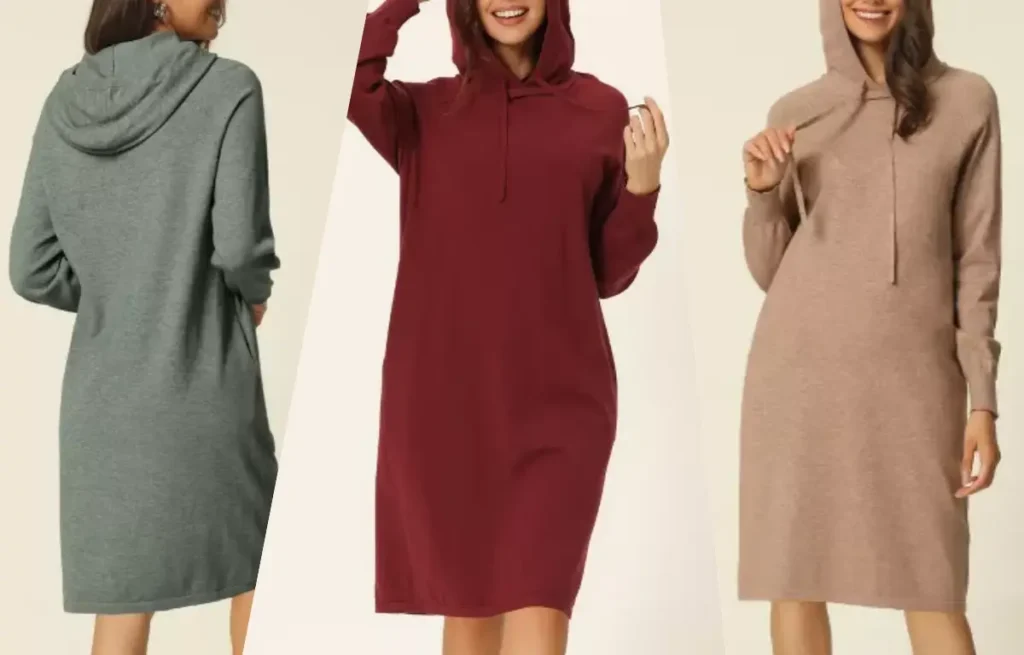
Comfy like a hoodie, long like a dress—hoodie dresses blend two favorites into one silhouette. But in a fast-changing fashion cycle, do they still have staying power?
Yes, hoodie dresses are still in style, especially in casualwear and athleisure collections. They offer a laid-back yet polished look, loved for comfort, versatility, and easy layering.
Are hoodie dresses in style?
Let’s get right to it—are they still trending?
Absolutely. Hoodie dresses continue to be a relevant style in 2025, especially among women’s loungewear and streetwear markets. Oversized silhouettes, neutral colors, and sporty details keep them fresh and in demand.
Why Hoodie Dresses Stay Popular
| Reason | Description |
|---|---|
| All-in-one convenience | Combines top and bottom in a single easy-to-wear piece |
| Flattering for all sizes | Oversized fit works across different body types |
| Easy styling | Pairs with sneakers, boots, or even layered over leggings |
| Loungewear meets streetwear | Comfortable enough for home, cool enough for going out |
Longline Hoodie

From oversized tees to elongated hoodies, “longline” pieces are showing up in both streetwear and minimalist collections. But what exactly does “longline” mean in fashion?
In fashion, “longline” refers to garments that are intentionally cut longer than standard lengths. This design detail creates a more elongated silhouette, often associated with modern streetwear, layering, or body-lengthening effects.
What does longline mean in fashion?
Let’s break down the term that’s been reshaping silhouettes.
“Longline” in fashion means any top, jacket, or outerwear piece designed with an extended length that goes beyond traditional sizing—typically covering the hips or thighs. It gives a sleek, elongated profile and is often used in both menswear and womenswear.
Common Features of Longline Garments
| Feature | Description |
|---|---|
| Extended Hemline | Falls below the waist—often to mid-thigh or longer |
| Straight or Tapered | Maintains a clean line down the body |
| Layering-Friendly | Worn under shorter jackets or over slim pants |
| Popular Styles | Longline T-shirts, hoodies, coats, cardigans |
Color Block Hoodie

Bold panels, sharp contrasts, unexpected combinations—color blocking used to scream fashion-forward. But in 2025, is it still a trend or just a throwback to the early 2010s?
Yes, color blocking is still in fashion in 2025, especially in streetwear, activewear, and minimalist collections. Designers now use it in more subtle, tonal ways or with strategic fabric contrasts to refresh the look.
Is color blocking still in fashion in 2025?
Let’s settle it—trend or passé?
Color blocking is still relevant in 2025, but with a modern twist. Instead of neon brights and stark contrast, today’s versions feature muted tones, asymmetric layouts, and mixed materials to keep the style current.
How Color Blocking Has Evolved
| Then (2010s) | Now (2025) |
|---|---|
| High-contrast primary colors | Tonal blends and neutral palettes |
| Horizontal or symmetrical panels | Asymmetry and layered geometry |
| Flat cotton fabrics | Mix of fleece, mesh, rib, and jersey |
| Youth-centric styling | Appears in luxury, unisex, and performance wear |
Raglan Sleeve Hoodie

Take a look at your favorite hoodie—the one with the diagonal seam running from the collar to the underarm. That’s a raglan sleeve. But what makes this design so popular, especially in sportswear and casual fashion?
A raglan sleeve hoodie features sleeves that extend in one piece to the collar, creating a diagonal seam from the underarm to the neckline. This allows for greater shoulder mobility and a more relaxed fit.
What is a raglan sleeve hoodie?
Let’s start with the basics—what defines this construction?
A raglan sleeve hoodie is a hooded sweatshirt where the sleeves are attached with a diagonal seam extending from the neckline to the underarm. This design creates a wider range of motion and a sportier silhouette.
Raglan vs. Set-In Sleeves
| Feature | Raglan Sleeve | Regular (Set-In) Sleeve |
|---|---|---|
| Seam placement | Diagonal from collar to armpit | Joins at top of shoulder |
| Shoulder mobility | High | Moderate |
| Visual style | Sporty, dynamic look | Classic, clean outline |
| Popular use cases | Activewear, casualwear, unisex pieces | Traditional tops, tailored styles |
What is the purpose of a raglan sleeve?
There’s a reason it’s used in so many functional designs.
The purpose of a raglan sleeve is to allow greater flexibility and freedom of movement in the shoulder area. It’s ideal for sportswear, gym wear, and casual styles where comfort and motion matter.
In production, raglan sleeves also offer easier sizing across body types. That’s why many unisex hoodie patterns use them—they’re forgiving and flattering on different frames.
Do raglan sleeves make shoulders look bigger?
It’s more than just function—there’s a visual trick, too.
Yes, raglan sleeves can make shoulders appear broader and more defined, especially when paired with contrasting colors or stitching. The diagonal seam draws the eye outward, creating a wider visual line.
This effect is why raglan styles are often chosen for men’s gymwear or unisex oversized designs. They subtly enhance proportion while still feeling soft and relaxed.
Sherpa Lined Hoodie

Sherpa-lined hoodies look cozy and feel even cozier. But before you dive into using it for your next collection, it’s worth asking—are there downsides to Sherpa?
Yes, while Sherpa is soft, warm, and stylish, it comes with a few cons—like heat retention issues, bulkiness, and limited breathability. It’s not ideal for layering, warm climates, or intense activity.
What are the cons of Sherpa?
Let’s break down the limitations of this fluffy favorite.
Sherpa fabric can be too warm, hard to layer, and less breathable than other hoodie linings. It also tends to add bulk, making the garment look and feel heavier than intended.
Key Disadvantages of Sherpa
| Con | Description |
|---|---|
| Overheating | Retains too much heat for mild or warm climates |
| Bulkiness | Adds volume, making it less flattering for sleek silhouettes |
| Low Breathability | Traps moisture during physical activity |
| Washing Difficulty | Can mat or flatten over time with improper care |
| Limited Use Cases | Works mostly for winter or cold-weather pieces |
Graphic Hoodie

Graphic hoodies are bold, expressive, and easy to throw on—but styling them without looking overdone can be tricky. And what if you love the fit but not the print?
You can style a graphic hoodie by pairing it with clean, minimal pieces like solid joggers, jeans, or a structured coat. And yes, it is sometimes possible to remove graphics, but it depends on the print type and fabric.
How to style a graphic hoodie?
A loud hoodie doesn’t have to mean a loud outfit.
Style a graphic hoodie by keeping the rest of the outfit simple—think neutral bottoms, clean sneakers, and minimal accessories. Let the hoodie be the statement piece.
Styling Tips for Graphic Hoodies
| Look Type | How to Style |
|---|---|
| Casual Streetwear | Pair with joggers, cargo pants, and chunky sneakers |
| Minimalist Layering | Add a neutral trench or bomber jacket on top |
| Smart Casual | Contrast with tailored trousers and leather sneakers |
| Gender-Neutral Fit | Choose oversized or boxy cuts and pair with wide-leg pants |
Can you remove graphics from a hoodie?
So what if the design doesn’t match your style?
In some cases, you can remove graphics from a hoodie, but it depends on how the print was applied. Screen prints and heat transfers may be partially removable, but embroidery or DTG prints are usually permanent.
Print Types & Removal Possibility
| Print Type | Can It Be Removed? | Notes |
|---|---|---|
| Screen Print | Sometimes | May leave behind ghosting or fabric damage |
| Heat Transfer Vinyl | Partially | Can peel off with heat but may leave residue |
| DTG (Direct-to-Garment) | Rarely | Ink soaks into fabric—removal can damage it |
| Embroidery | No | Removing it leaves needle holes and frays |
If you’re working with samples or stock pieces, we usually recommend replacing graphics through patches or overlays instead of trying to fully erase them.
Detachable Hoodie

We’ve all seen hoodies with zippers, buttons, or snaps at the neck. But are those just decorative—or do they offer a smart functional edge?
A detachable hoodie refers to a hoodie or jacket design where the hood can be removed, usually via zipper, snaps, or buttons. This offers styling flexibility, easier layering, and added comfort depending on the weather or occasion.
What is a detachable hoodie?
Let’s define it clearly—what makes a hoodie “detachable”?
A detachable hoodie typically refers to either a full hoodie with a removable hood or (2) a jacket/sweatshirt that includes a hood component that can be zipped or snapped off.
Types of Detachable Hoodie Designs
| Style | Description |
|---|---|
| Zipper Detachable Hood | Hood attaches with a full-length zipper around the neckline |
| Snap Button Hood | Hood connects with snap fasteners—quick to remove |
| Velcro-Tab Hood | Often used in sport or kidswear for ease and safety |
| Convertible Hoodie Jackets | Hybrid outerwear that transforms from hoodie to collar jacket |
Why choose a detachable hoodie?
It’s more than just a cool design detail.
Detachable hoodies offer versatility—you can wear them as a full hoodie in cold weather or remove the hood for a cleaner, less casual look indoors or in mild temperatures.
Many clients also choose this design for unisex collections or to give their customers more styling options without increasing SKU count.
Mesh Panel Hoodie

From sports training to music festivals, mesh panel hoodies are showing up in all the right places. But what makes this design unique—and is it just for looks?
A mesh panel hoodie is a hoodie that includes strategically placed mesh fabric sections—usually for ventilation, style contrast, or added performance. It blends breathability with a modern, technical aesthetic.
What is a mesh panel hoodie?
Let’s break down the structure and intent behind this design.
A mesh panel hoodie features one or more sections made from mesh fabric—typically placed at the underarms, back, chest, or sides—to improve airflow and visual appeal. It’s a blend of streetwear style and athletic functionality.
Common Mesh Panel Placements
| Panel Location | Purpose |
|---|---|
| Underarm or Side | Boost ventilation and reduce sweat buildup |
| Upper Back or Yoke | Allows airflow during movement or workouts |
| Chest or Hood Line | Adds visual contrast and streetwear detail |
| Full Sleeve Inserts | Creates a sporty, layered appearance |
Why choose a mesh panel hoodie?
It’s not just about style—there’s real performance value here.
Mesh panel hoodies help regulate temperature, wick sweat, and reduce overheating—making them ideal for workouts, outdoor wear, and summer layering.
Designers also use mesh panels to create color blocking or texture contrast without heavy printing. It gives dimension without sacrificing function.
Tech Hoodie

Sleek. Minimal. Functional. Tech hoodies are everywhere—from airports to offices to gyms. But what actually makes a hoodie “tech”?
A tech hoodie is a performance-driven hoodie made with advanced fabrics and functional features like moisture-wicking, stretch, water resistance, and hidden pockets. It’s designed for movement, travel, and urban lifestyle.
What is a tech hoodie?
Let’s clarify what separates a tech hoodie from a basic one.
A tech hoodie uses technical fabrics and smart construction to improve comfort, performance, and versatility. It’s engineered for movement and often features clean lines, durable materials, and hidden details.
Key Features of a Tech Hoodie
| Feature | Description |
|---|---|
| Technical Fabric | Moisture-wicking, quick-dry, anti-odor, or weather-resistant |
| Minimalist Construction | Clean seams, often with laser cutting or bonded edges |
| Stretch & Mobility | 4-way stretch for better range of motion |
| Concealed Storage | Hidden zippers, media pockets, headphone loops |
| Urban Versatility | Designed to transition between gym, travel, and daily wear |
Why are tech hoodies so popular?
It’s not just the fabric—it’s the whole experience.
Tech hoodies are popular because they offer functionality without sacrificing style. They fit into hybrid lifestyles where people move between work, workouts, and travel without needing a wardrobe change.
They’re also gender-neutral, easy to pack, and more sustainable when made with recycled or eco-tech materials.
Zipper Pocket Hoodie

From airport terminals to bike commutes, one feature keeps showing up on modern hoodies: the zipper pocket. It’s small but powerful—and more functional than most people realize.
A zipper pocket hoodie is a hoodie designed with one or more pockets that include zip closures. These secure compartments protect valuables like phones, wallets, or keys while maintaining a clean, practical silhouette.
What is a zipper pocket hoodie?
Let’s break down the function and design of this in-demand hoodie style.
A zipper pocket hoodie features built-in zippered compartments—either on the front, side seam, or sleeve—designed to keep essentials safe during movement.
Common Zipper Pocket Types
| Pocket Placement | Description |
|---|---|
| Kangaroo Pocket Zipper | Hidden zips on left/right opening of the front pouch |
| Side Seam Zippers | Discreet vertical zippers placed along the side seam |
| Sleeve Zipper Pocket | Small stash pockets often used for cards or keys |
| Chest Zipper Pouch | Sporty and secure—ideal for running or commuting |
Why are zipper pocket hoodies so popular?
It’s about security, convenience, and movement.
Zipper pocket hoodies are popular because they offer peace of mind. Items stay secure even during intense activity, making them ideal for travel, fitness, and daily errands.
Consumers want more than just comfort—they want storage that moves with them, without bulk or bounce.
Utility Hoodie

When fashion meets function, the result is often called “utility.” And in the hoodie world, that means pockets, adjustability, and tactical design. But what exactly defines a utility hoodie?
A utility hoodie is a hoodie designed with added functional elements—like multiple pockets, zippers, straps, or toggles—intended for practicality, storage, and durability. It blends streetwear style with outdoor-ready features.
What is a utility hoodie?
Let’s define this emerging staple of techwear and tactical streetwear.
A utility hoodie is built for function. It includes added features like cargo pockets, zip-secured compartments, reinforced seams, or adjustable elements to support active, travel, or urban use.
Common Features of a Utility Hoodie
| Feature | Description |
|---|---|
| Multiple Pockets | Front, sleeve, or hidden compartments for tools and essentials |
| Durable Fabrics | Reinforced knits, ripstop panels, or weather-resistant coatings |
| Adjustability | Drawstrings, toggles, or hook systems for personalized fit |
| Modular Elements | Detachable hoods, convertibility, or layered construction |
| Techwear Styling | Clean lines mixed with military or tactical influences |
Why do people love utility hoodies?
Form follows function—and fashion follows both.
People love utility hoodies because they offer practical storage and durability without sacrificing style. They suit fast-moving lifestyles and align with the growing demand for purpose-driven clothing.
They’re especially popular among Gen Z and outdoor-minded consumers who want gear that looks as good on the street as it performs on the go.
Turtleneck hoodie

Turtlenecks were once seen as outdated, overly formal, or even nerdy. But fashion has a funny way of flipping the script—now they’re back and cooler than ever.
Yes, turtlenecks are still a thing—actually, they’ve become a year-round essential in streetwear, luxury fashion, and activewear. Designers are reimagining them in fresh fabrics, relaxed fits, and modern styling, making them super relevant today.
Why have turtlenecks made a comeback?
Most people think turtlenecks are only for cold weather. But in the eyes of designers, they’re a versatile base piece that can shape many looks.
Turtlenecks have made a comeback thanks to their versatility, clean silhouette, and ability to add instant depth to an outfit. From streetwear to tailored suits, and even layered under tees for a Y2K feel—they just work.
Why they’re so versatile
| Occasion | Styling Tip |
|---|---|
| Smart Casual | Under a blazer with derby shoes |
| Everyday Wear | Ribbed turtleneck + jeans + sneakers |
| Party/Events | Oversized turtleneck + loose trousers + shades |
| Outdoor/Active | Stretch tech turtleneck with joggers |
What fabrics and styles are trending for turtlenecks?
Consumers are moving away from thick woolly styles. They want comfort, versatility, and something that suits different settings.
Today’s trending turtlenecks are made with modal blends, ribbed knits, and even performance fabrics. Popular styles include cropped, oversized, sleeveless, and mock necks for more versatility.
The new wave of materials:
- Modal blends: Super soft and breathable—great for layering.
- Stretch performance fabric: Ideal for workouts or outdoor activities.
- Ribbed cotton knits: Holds structure well—perfect under layers.
- Wool/cashmere blends: Still good for fall-winter, but now with a younger cut.
Popular fits to try:
- Mock neck: For those who want less coverage but a clean look.
- Cropped turtleneck: Works great with high-waisted bottoms.
- Sleeveless turtleneck: Good for layering or warm weather looks.
Double Layer Hoodie

A hoodie can either be your go-to piece that lasts for years—or it can shrink, fade, and fall apart after a few washes. Knowing the difference is everything.
A high-quality hoodie is defined by fabric density, stitching precision, interior finishing, and structural integrity. It should feel solid, retain shape, and stay soft after multiple washes. Construction details matter just as much as material choice.
What does “double-lined hoodie” mean?
You’ve probably seen “double-lined” mentioned in product descriptions. But what does it actually mean for wearability and warmth?
A double-lined hoodie has two layers of fabric in the hood or body, offering added structure, warmth, and durability. It feels thicker, holds its shape better, and often provides a more premium look.
Double-lined vs Single-lined: What’s the real difference?
| Feature | Single-lined Hoodie | Double-lined Hoodie |
|---|---|---|
| Warmth | Light to medium insulation | Warmer, traps more heat |
| Structure | May look flat or shapeless | Keeps shape and looks structured |
| Durability | Might wear thin over time | Withstands more washes and wear |
| Common Use | Casual or layering piece | Standalone statement or outerwear |
How can you tell if a hoodie is high quality?
From the outside, many hoodies look the same. But once you wear and wash them, the truth shows.
You can identify a high-quality hoodie by checking the fabric weight, stitching finish, and interior feel. Premium hoodies use heavier GSM fabrics (280+), have clean flatlock stitching, and often feature brushed or fleece-lined interiors.
What is the difference between a hoodie and a sweatshirt?
This is a common question among new designers and buyers. The two are related—but not interchangeable.
A hoodie always includes a hood, while a sweatshirt does not. Hoodies may also have drawstrings, kangaroo pockets, and linings, whereas sweatshirts are simpler with just a crewneck and long sleeves.
Key Differences Between Hoodie and Sweatshirt
| Feature | Hoodie | Sweatshirt |
|---|---|---|
| Hood | Yes | No |
| Neckline | Usually drawstring hood | Crewneck |
| Often kangaroo pocket | No pocket or side-seam only | |
| Use Case | Streetwear, outerwear, gym | Loungewear, layering, casual |
| Style Variations | Pullover, zip-up, sleeveless, cropped | Crewneck or oversized |
Sweatshirts are usually more minimal. They’re great for layering under jackets or for customers who prefer a clean silhouette. Hoodies, on the other hand, give off a sportier or more urban vibe.
Bonus: Hybrid Options
Some newer styles blur the line—like hooded sweatshirts with no pocket, or mock-neck hoodies. Innovation in cuts and materials keeps evolving, especially in the athleisure and lifestyle segments.
Conclusion
There’s no single “type” of hoodie. It’s a wide category with endless variations depending on fit, function, and audience. Whether it’s a zip-up for a fitness brand or an oversized pullover for streetwear, knowing the difference helps you design and source better.