Skip to content
Manufacturing hoodies can be a significant investment for a clothing brand, and understanding the true cost of production is essential to ensure profitability. But how do you break down the costs involved?
The cost of manufacturing a hoodie depends on various factors such as fabric choice1, design complexity2, quantity, and location. By understanding how these elements impact the pricing, you can better plan your budget and make informed decisions.
When I first explored hoodie production, the pricing structure seemed overwhelming. But over time, I realized that breaking down the costs step-by-step helped me make sense of the pricing. Let’s explore these factors in detail.
What Are the Key Factors That Affect the Cost of Manufacturing a Hoodie?
I quickly learned that multiple factors go into determining the cost of hoodie manufacturing. Some are directly controllable, while others depend on external conditions like location and supplier.
The key factors affecting the cost of manufacturing a hoodie include fabric choice, design complexity, order quantity, and manufacturing location.
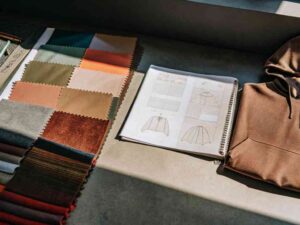 Textile and design exploration
How Does Fabric Choice Influence the Price of Hoodie Production?
The fabric used for a hoodie significantly impacts the overall cost. Premium fabrics like organic cotton, fleece, or specialty fabrics (such as performance fabrics) tend to cost more than basic materials like polyester or cotton blends.
The higher the quality and uniqueness of the fabric, the higher the price. Organic or sustainable fabrics, for example, usually come at a premium due to sourcing and production processes.
| Fabric Type | Cost Impact | Example Fabrics |
|---|---|---|
| Premium | High | Organic cotton, fleece, wool |
| Standard | Moderate | Cotton, polyester blends |
| Budget | Low | Polyester, cotton blends |
What Role Does Design Complexity Play in Hoodie Manufacturing Costs?
The complexity of the hoodie design also affects the cost. Simple designs with minimal features (like basic pullovers) are more affordable than hoodies with intricate designs, custom embroidery, or additional features like zippers and pockets.
More intricate designs require additional labor, time, and materials, which naturally increases the cost of production.
| Design Complexity | Cost Impact | Example |
|---|---|---|
| Simple | Low | Basic pullover hoodie |
| Moderate | Moderate | Hoodie with custom print |
| Complex | High | Hoodie with embroidery, zippers, etc. |
What Is the Average Cost of Manufacturing a Hoodie?
When I started looking into hoodie production, I needed a general idea of the cost to help me plan my budget. Here’s a breakdown based on typical hoodie production prices.
The average cost of manufacturing a hoodie can range from $5 to $25 per unit, depending on several factors such as fabric, design complexity, and order size.
How Much Should You Expect to Pay for Basic vs. Custom Hoodies?
Basic hoodies with standard fabric and a simple design usually cost less, while custom hoodies with added features, unique fabrics, or custom branding can cost significantly more.
Expect to pay around $5-$10 for basic hoodies, and $15-$25 for custom-designed or branded hoodies, depending on the complexity and order size.

Are There Price Differences Based on Quantity and Order Size?
Yes, larger orders typically lower the price per unit due to economies of scale. Manufacturers can spread fixed costs (like setup fees) over a larger number of units, reducing the cost per item.
If you’re ordering 1,000 hoodies, you can expect a lower price per unit compared to ordering 100 hoodies.
| Order Size | Cost per Hoodie | Key Factors |
|---|---|---|
| Small (100-300 units) | Higher | Higher setup costs per unit |
| Medium (300-500 units) | Moderate | Better economies of scale |
| Large (500+ units) | Lower | Maximum production efficiency |
How Do Manufacturing Locations Impact Hoodie Production Costs?
The location where you choose to manufacture your hoodies can drastically influence your costs. Different regions offer different pricing structures based on labor costs, raw materials, and supply chain infrastructure.
Manufacturing locations can affect everything from labor costs to shipping fees. It’s essential to understand the pros and cons of each region before making a decision.
Is It Cheaper to Manufacture Hoodies in Asia Compared to the US or Europe?
Manufacturing in Asia, especially in countries like China, Bangladesh, and Vietnam, tends to be cheaper compared to the US or Europe due to lower labor costs and established manufacturing infrastructure.
For example, the cost of producing a hoodie in China can be significantly lower than in the US, primarily due to the labor and material sourcing advantages in Asia.
| Region | Labor Cost | Production Costs | Key Advantages |
|---|---|---|---|
| Asia (China, Bangladesh) | Low | Low to Moderate | Established infrastructure, low labor costs |
| US & Europe | High | High | Shorter lead times, higher-quality control |
How Do Shipping and Import Fees Affect Hoodie Manufacturing Costs?
Shipping and import fees can add up, especially if you’re manufacturing overseas. International shipping from Asia can be cheaper than from the US or Europe, but you need to consider the additional import duties and customs fees.
Shipping delays, tariffs, and taxes all contribute to the overall cost of manufacturing and should be factored into your pricing strategy.
| Shipping Factor | Impact on Cost | Key Consideration |
|---|---|---|
| International Shipping | Increases cost | Delays, higher shipping fees |
| Tariffs | Adds cost | Tariffs on imported goods can increase overall cost |
| Local Shipping | Lower cost | Faster, more predictable delivery times |
What Additional Costs Should You Consider When Manufacturing Hoodies?
It’s easy to get focused on the base cost of hoodies, but there are several additional expenses you must consider to get an accurate picture of your total production cost.
Additional costs such as sampling, prototyping, branding, and packaging can add to your overall hoodie manufacturing costs.
How Do Sampling and Prototype Costs Affect the Overall Price?
Sampling costs can vary significantly depending on the complexity of the hoodie design. Creating prototypes and samples usually involves additional fabric, labor, and time, which will add to your production costs.
Expect to pay for samples before committing to a larger order — this will allow you to verify the quality and design before mass production.
What Are the Hidden Costs of Branding and Customization for Hoodies?
Branding and customization costs are often overlooked. Adding custom labels, embroidery, screen printing, or packaging all add to the cost of production.
Branding and unique packaging options can increase costs, but they help create a distinct product that resonates with your customers.
| Additional Cost | Impact on Price | Example |
|---|---|---|
| Sample Fees | Adds cost | Fee for producing a single sample |
| Branding | Increases unit cost | Custom logo embroidery, labels |
| Packaging | Increases cost | Custom-designed packaging for shipping |
How Can You Reduce the Cost of Manufacturing Hoodies?
I was keen on finding ways to lower my hoodie production costs without compromising quality. Here are a few strategies that helped me manage expenses.
There are several ways to reduce manufacturing costs, including negotiating prices, optimizing production efficiency, and exploring bulk order discounts.

Is It Possible to Negotiate Manufacturing Costs with Hoodie Suppliers?
Yes, negotiating with suppliers is often possible, especially when you’re placing larger orders. Manufacturers may offer discounts or better pricing terms based on your order volume, reliability, or long-term partnerships.
Negotiating payment terms or discounts for larger orders can help lower overall costs.
How Can You Optimize Production Efficiency to Lower Hoodie Costs?
Optimizing efficiency involves streamlining the design process, reducing material waste, and minimizing production delays. By refining these processes, you can lower the cost per unit.
Efficient production processes can lower labor costs and reduce the amount of time spent on each hoodie, ultimately lowering production costs.
What Are the Costs Involved in Sustainable Hoodie Manufacturing?
As sustainability became a priority for my brand, I began looking into how eco-friendly materials and practices could fit into my hoodie production strategy.
Eco-friendly hoodie manufacturing typically comes at a higher cost due to the sourcing of sustainable materials and environmentally conscious production methods.
How Do Eco-Friendly Materials and Practices Affect Hoodie Manufacturing Costs?
Eco-friendly materials like organic cotton, recycled polyester, or biodegradable dyes tend to be more expensive than conventional materials. Additionally, sustainable production methods often require more time and effort.
While the costs of eco-friendly manufacturing are higher, it aligns with the growing demand for sustainable products and can appeal to eco-conscious consumers.
Are There Budget-Friendly Options for Sustainable Hoodie Production?
Yes, there are budget-friendly options for sustainable hoodie production, especially as demand for eco-friendly products grows. Working with suppliers who specialize in sustainable materials or choosing more cost-effective eco-friendly options (such as recycled polyester) can help reduce costs.
| Sustainability Factor | Impact on Cost | Example |
|---|---|---|
| Eco-friendly Materials | Higher | Organic cotton, recycled fabrics |
| Sustainable Practices | Moderate | Reduced waste, eco-friendly dyes |
Conclusion
The cost of manufacturing a hoodie is influenced by several factors, including fabric choice, design complexity, manufacturing location, and additional customization. By understanding these factors, you can better manage your budget, reduce hidden costs, and ensure that your final product aligns with both your budget and brand vision.