Skip to content
Lululemon’s leggings are known for their buttery softness and performance stretch—but where are they actually made? And how does their global supply chain1 work behind the scenes?
Lululemon manufactures in countries like China, Vietnam, Sri Lanka, and Cambodia, partnering with top-tier factories like MAS Holdings and Eclat. Their model is built on performance innovation, supplier compliance, and strategic outsourcing.
At first, I assumed Lululemon owned sleek factories filled with innovation labs. But the truth is—they rely on a global network of highly specialized vendors. That’s what makes their supply chain so efficient and scalable.
What Is Lululemon’s Manufacturing Philosophy?
Lululemon’s production model is asset-light and performance-heavy. They don’t own the factories—they partner with the best.
Lululemon operates through a network of independent manufacturers, prioritizing product quality, fabric tech, and global compliance rather than owning production.
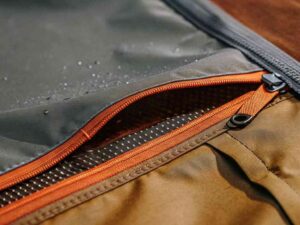 Technical Zip Finish
Why They Don’t Own Factories
Owning factories would limit their flexibility. Instead, they focus on:
- Rapid scaling across product lines
- Working with regional experts in fabrics
- Lower capital risk
The Role of Global Vendor Partnerships
These partnerships aren’t transactional—they’re strategic.
- Long-term relationships with key vendors
- Collaborative fabric innovation
- Mutual investment in quality and tech
Focus on Quality, Compliance, and Performance Tech
Each vendor must meet:
- Stringent quality protocols
- Ethical labor standards
- Advanced technical capabilities (e.g., bonded seams, brushed knits)
Top Countries Where Lululemon Manufactures
Lululemon’s supply chain spans Asia and, in very limited cases, North America.
Their key manufacturing countries include China, Vietnam, Sri Lanka, and Cambodia—with occasional premium or R&D lines made in North America.
China – Early Core Base, High-Tech Performance Factories
China remains vital, especially for:
- Advanced knitting and dyeing
- Access to raw materials
- Rapid innovation in performance textiles

Vietnam – Strong Activewear Capacity, Rising as Key Hub
Vietnam has become a manufacturing hotspot:
- Lower labor costs than China
- Skilled workforce in seamlesswear and yoga lines
- Home to factories like Eclat and Quang Viet
Sri Lanka – MAS Holdings & Intimatewear/Activewear Expertise
Sri Lanka punches above its weight in premium apparel:
- MAS Holdings produces for Lululemon, Nike, Victoria’s Secret
- Bonded seams, ethical manufacturing, sustainability leadership
Cambodia, Bangladesh, Indonesia – Supplementary Sourcing
These regions help balance costs:
| Country | Role in Lululemon’s Supply Chain |
|---|---|
| Cambodia | Knitwear, seamless |
| Bangladesh | Basic apparel categories |
| Indonesia | Smaller volume, cost-sensitive categories |
USA/Canada (Very Limited) – Occasional R&D or Premium Lines
Lululemon’s Vancouver HQ and some U.S. facilities handle:
- Prototype development
- Athlete testing
- Occasional “Made in USA” drops
Who Are the Key Suppliers Behind Lululemon’s Production?
These vendors are named in Lululemon’s public supplier reports and industry databases.
Lululemon partners with a few elite manufacturers who specialize in activewear, fabric development, and large-scale ethical production.
MAS Holdings (Sri Lanka)
- Specialty: Intimatewear, bonded activewear
- Strength: Sustainability and female-focused factories
- Certifications: WRAP, BSCI, ISO 14001
Eclat Textile (Taiwan/Vietnam)
- Specialty: Performance fabric + seamlesswear
- Clients: Lululemon, Under Armour, Nike
- Strength: Vertical integration (yarn to finished goods)
Quang Viet (Vietnam)
- Specialty: Outerwear and performance layering
- Strength: Technical outerwear expertise
- Capacity: High-volume supplier
Ghim Li (Asia)
- Specialty: Knits, T-shirts, leggings
- Certifications: OEKO-TEX, GRS, GOTS (on some lines)
- Presence: Vietnam, Malaysia, Singapore
These vendors aren’t just producing—they’re co-developing fabrics and fit innovations with Lululemon.
What It Takes to Manufacture Like Lululemon
You can’t fake performance—especially in leggings. Lululemon sets the bar with their fit, fabric, and technical execution.
To manufacture like Lululemon, you need advanced fabric sourcing2, precise construction methods, and a strict QC process.
Advanced Fabric Sourcing (Luon®, Everlux™, Nulu™)
Each of these fabrics is co-developed and highly technical:
| Fabric Name | Key Features |
|---|---|
| Nulu™ | Brushed nylon blend, second-skin feel |
| Luon® | Cottony feel, perfect for yoga |
| Everlux™ | Fast-drying, dual-layer workout fabric |
Factories must work closely with yarn mills and dye houses to match performance specs.
Seamless & Bonded Construction Techniques
Lululemon’s pieces often use:
- Seamless knitting
- Laser-cut and bonded seams
- Gusset engineering for movement
Strict Quality and Sustainability Audits
All vendors must comply with:
- Vendor Code of Ethics
- Quarterly factory audits
- Chemical and emissions reporting
MOQ Expectations and Lead Times
This isn’t fast fashion—it’s high-performance apparel.
- MOQ: Often 1,000+ units per style
- Lead time: 45–60 days post-sample
- Sampling: 2–4 weeks for fit and size set
Tips for Fashion Brands Looking to Replicate This Model
You don’t need a billion-dollar budget—but you do need strategy.
New brands can adopt elements of Lululemon’s model by choosing the right fabrics, working with compliant OEMs, and balancing cost with long-term quality.
How to Find a Compliant OEM/ODM in China or Asia
Look for:
- Seamless or bonded construction capabilities
- Fabric development team in-house
- Clear compliance history
At Modaknits, we guide brands through factory vetting, tech pack refinement, and production testing.
Balancing Cost, Quality, and Delivery
It’s a trade-off triangle:
- Fast + cheap = low quality
- High quality + cheap = long lead times
- Fast + high quality = higher cost
Choose what matters most for your brand stage.
Certifications to Look For
Here are the industry standards that matter:
| Certification | What It Covers |
|---|---|
| OEKO-TEX | No harmful chemicals in textiles |
| WRAP | Ethical labor and social compliance |
| BSCI | Working conditions in global supply chain1s |
| GRS/GOTS | Recycled or organic content |
Conclusion
Lululemon’s manufacturing model isn’t built on ownership—it’s built on trust, compliance, and technical collaboration. If you’re building a performance brand, learn from their blueprint, but apply it to your scale.