Skip to content
When it comes to Ralph Lauren, people often assume everything is made in Italy or the USA. But the truth is, this iconic brand produces its collections across a complex network of global suppliers.
Ralph Lauren sources its apparel from multiple countries including Italy, China, Vietnam, Sri Lanka, Cambodia, and the USA, depending on the product line and price point.
I learned this the hard way while sourcing for a premium label. I discovered two nearly identical Ralph Lauren shirts—one made in Italy, one in China. The price difference was shocking. Here’s how to make sense of it all.
Understanding Ralph Lauren’s Global Production Strategy
Ralph Lauren isn’t a single-label brand. It’s a global house of products, each with different design intents and quality expectations.
The brand uses a mix of high-end, in-house production and cost-effective third-party factories to balance luxury and scalability.
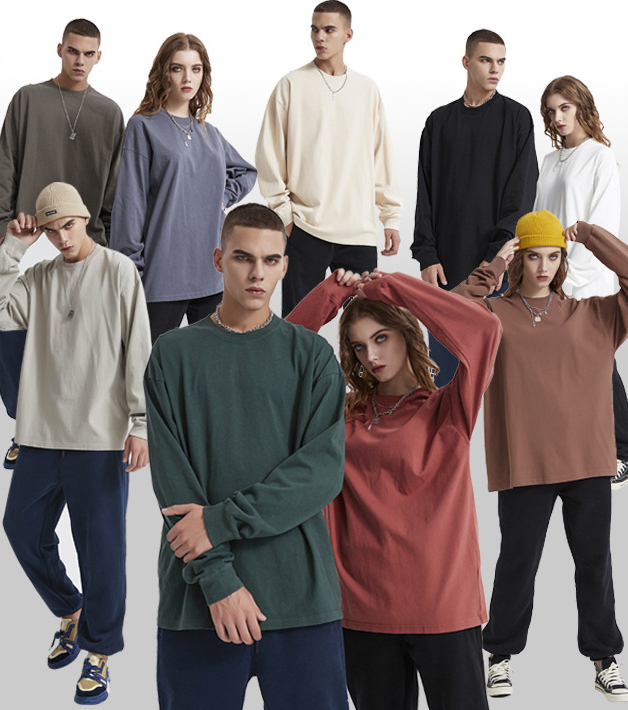
 Elegant Outfits Display
Overview of the Brand’s Manufacturing Philosophy
- Purple Label (luxury): Made in Italy or USA, focused on craftsmanship
- Polo Ralph Lauren (mainline): Often made in China, Vietnam, or Sri Lanka
- Factory outlets: Products with looser QA controls and more price-sensitive sourcing
Ralph Lauren’s production model is layered by product tier and channel.1 Luxury lines go to expert artisans. Mass-market lines go where efficiency and scalability are possible.
Country-by-Country Breakdown of Production
Not all "Made in China" products are equal—and not all luxury comes from Europe. Let’s break it down by location.
Each country serves a strategic role in Ralph Lauren’s production puzzle, depending on materials, labor, and target customer.
Made in Italy – The Luxury Lineage
Italy is where Ralph Lauren crafts its top-tier collections.
- Home to Purple Label suits, tailored shirts, and formalwear
- High-quality leather goods like belts and shoes
- Smaller, family-run workshops with artisanal heritage
Made in China – Volume and Accessibility
China is a key hub for everyday Ralph Lauren pieces.
- Produces Polo shirts, knitwear, and accessories
- Strong QA processes in modern, certified factories
- Best suited for large-volume production with decent consistency

Made in Vietnam, Sri Lanka, Cambodia – Cost-Effective Manufacturing
These Southeast Asian countries handle mid-tier to entry-level ranges.
- Women’s wear, children’s lines, and seasonal basics
- Lower labor costs, but factories often certified and vetted
- Balances affordability with acceptable quality
Made in USA – Niche Heritage Products
Some items are still proudly American-made—but they’re rare.
- RRL denim collections often cut and sewn in the USA
- Limited-edition military styles with heritage details
- Mostly symbolic—used to tell a brand story rather than supply volume
Why Ralph Lauren Uses Multiple Countries for Production
No single country can fulfill all of Ralph Lauren’s goals. The brand needs luxury and affordability, fast lead times and global compliance.
Using multiple countries allows Ralph Lauren to fine-tune its cost, quality, and delivery strategy per product line.
Balancing Cost, Craftsmanship, and Speed
- Italy = Craftsmanship and prestige
- China & Vietnam = Cost and mass scale
- USA = Symbolic value, niche items
- Proximity to raw materials reduces lead time and transit cost
Sourcing Flexibility and Risk Diversification
- Shifting production away from China due to tariffs and geopolitical tensions
- Southeast Asia offers redundancy and labor arbitrage
- Protects supply chain from sudden disruptions
Supplier Certifications and Ethical Standards
Ralph Lauren publicly states its commitment to ethical production.
- Factories must comply with labor and environmental standards2
- Partner facilities are audited for fair wages, safe conditions, and pollution control
- Sustainability is becoming a bigger driver in choosing vendors

How to Identify Where Your Ralph Lauren Item Was Made
Sometimes you just want to know: Where was this shirt actually made?
You can identify production origin from the garment’s inside label, but decoding it requires careful reading.
Reading Labels Accurately
- Look for phrases like "Made in China" or "Made in Italy"
- “Imported by Ralph Lauren Corp” doesn’t tell you origin—ignore that
- Some tags will mention assembly or sourcing, not just final stitching location
Decoding Product Line Differences
| Product Line | Common Origins | Notes |
|---|---|---|
| Purple Label | Italy, USA | High-quality, tailored pieces |
| Polo Ralph Lauren | China, Vietnam | Mainline casual items |
| Factory Outlet Items | Cambodia, Sri Lanka | Priced lower, often looser QC |
Authenticity Markers
- Tags include style numbers and fabric codes
- Fonts and stitching on the label can signal whether it’s legit
- Items made in Italy or USA often come with extra tags or certificates
Final Thoughts – What the Manufacturing Origin Says About the Brand
Country of origin still influences consumer perception—but it’s no longer the full story.
Ralph Lauren ensures quality through design, standards, and factory partnerships—not just geography.
Does Country of Origin Impact Quality?
Not necessarily.
- Some Chinese factories rival Italian ones in quality for basics
- Italy is still king for tailoring, but China shines in sportswear
- “Made in” doesn’t always mean “better made”
What This Means for Buyers and Sourcing Professionals
- Know your product tier—origin varies by line
- Label inspection is key to knowing what you’re really buying
- Don’t dismiss items just because they’re made in Asia—assess the build, not the bias
Conclusion
Ralph Lauren’s manufacturing footprint is a global network optimized for quality, scale, and strategy. If you’re a buyer or just a fan, knowing where your clothes come from helps you shop smarter.