Skip to content
Embroidery adds more than decoration—it’s a brand statement. But not all embroidery machines1 are created equal, especially when it comes to sourcing for fashion production2.
There are various embroidery machine types: from traditional hand-operated tools to high-speed, multi-head computerized systems. Choosing the right type depends on your brand’s scale, design needs, and budget.
As someone who’s helped brands scale from hand sampling to large-scale embroidered drops, I know how embroidery technology can shape your product story—and margins.
Why does embroidery matter in modern apparel manufacturing?
Embroidery isn’t just visual flair. It adds tactile identity, durability, and a chance to personalize garments at scale.
In fashion sourcing, embroidery elevates brand storytelling—especially on basics like sweatshirts, joggers, or caps.
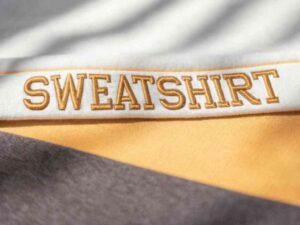 Embroidered Sweatshirt Fabric
Branding, Personalization, and Style Differentiation
- Logos, icons, slogans, or initials
- Adds texture, depth, and premium perception
- Custom drops and seasonal limited-editions become easier to execute
Common Garment Types Featuring Embroidery
| Garment Type | Common Placement |
|---|---|
| Hoodies | Chest, cuff, sleeve |
| T-shirts | Back neck, left chest |
| Caps | Front panel or side |
| Joggers | Upper thigh, calf |
| Denim Jackets | Back panel, pockets |
What are the main categories of embroidery machines?
From handmade artistry to industrial precision, embroidery machines come in various types to meet different production needs.
There are 7 core types of embroidery machines—each designed for different levels of speed, complexity, and fabric compatibility.
Hand-Operated Embroidery Machines (Traditional)
- Manual cranking or pedal-driven
- Slow, highly detailed, for artisanal or heritage brands
Single-Needle Embroidery Machines
- Entry-level, often used by designers or home-based startups
- One color/thread at a time, slower changeover
Multi-Needle Embroidery Machines
- 4 to 10+ needles
- Auto-thread switching, faster for batch production
- Great for logos or multi-color patterns
Computerized (CNC) Embroidery Machines
- Digitized control of stitching
- Upload design files (DST or PES formats)
- Ensures consistent repeatability across batches
Multi-Head Commercial Embroidery Machines
- 2 to 30+ heads
- Enables simultaneous embroidery on multiple garments
- Best for high-volume brands or factories
Industrial Flatbed vs. Tubular Embroidery Machines
| Type | Best For |
|---|---|
| Flatbed | Flat fabrics (cut panels) |
| Tubular | Finished garments, hats |
Specialized Machines (e.g., 3D Puff Embroidery, Chenille, Sequin)
- Add tactile and visual texture
- Perfect for streetwear, high-fashion, or branding-heavy lines
How do you choose the right machine type for your line?
It depends on your SKUs, branding goals, and production needs.
Sourcing the right embroidery setup means balancing production scale, customization flexibility, and cost-effectiveness.

Production Volume and Output Speed
| Production Need | Ideal Machine Type |
|---|---|
| Small batches | Single-needle, CNC |
| Medium volumes | Multi-needle |
| Large-scale drops | Multi-head commercial |
Fabric Type and Garment Compatibility
- Tubular machines = perfect for joggers and caps
- Flatbed = better for unassembled garment panels
- Denim, fleece, and heavy knits may need high-power motors
Customization Options: Logos, Patterns, Textures
- Need puff texture? Use 3D foam embroidery heads
- High-color detail? Go for 10+ needle machines
- Sequin detailing? Use specialized sequin embroidery units
Cost and ROI Considerations
- Entry: ~$500–$2,000 (single-needle)
- Commercial: $10,000–$50,000+
- Consider per-unit embroidery cost, setup time, and QC overhead
What should you ask your OEM supplier about embroidery?
Good embroidery isn’t just about tech—execution quality matters too.
Always ask your manufacturer about the type of machines they use, their QC process, and stitch specifications.
What Type of Machines Do They Use?
- Are they using flatbed or tubular?
- What’s the brand/model (e.g., Tajima, Barudan, Ricoma)?
- In-house or outsourced embroidery?
Thread Count, Stitch Precision, Color Range
- Min and max thread count per design?
- Can they match Pantone colors?
- What’s their tolerance for stitch alignment?
Quality Control Process for Embroidery Defects
- Do they check for thread skipping, distortion, tension issues?
- What’s their rework policy for embroidery defects?
What are the future trends in embroidery technology?
Modern embroidery isn’t stuck in tradition—it’s fusing with tech and sustainability.
From smart wearables to AI-generated patterns, embroidery is gaining a digital edge.
AI and Digitized Design Integration
- AI can convert sketches to stitch-ready files
- Pattern auto-optimization reduces waste and thread breakage
Sustainability in Embroidery (Eco-Threads, Low-Waste Tech)
- Recycled polyester embroidery threads (RPET)
- Waterless digital embroidery systems emerging
Fashion Tech Fusion (e-textiles, smart embroidery)
- Conductive threads that embed sensors or LED fibers
- Interactive designs (e.g., pressure-sensitive embroidery)
Final takeaway: how to use embroidery to differentiate your product line
Don’t treat embroidery as an afterthought. It’s a creative tool and sourcing strategy.
Choose the right embroidery machine type based on your product identity, expected volumes, and technical needs. Then use it to elevate your designs.
Choosing the Right Embroidery Type for Your Brand DNA
- Streetwear? Go bold with 3D or chenille embroidery.
- Minimalist basics? Keep it clean with tone-on-tone logos.
- Premium? Use multi-thread satin stitch for texture.
Adding Embroidery to Product Design Briefs
Include:
- Embroidery placement map
- Thread specs (color, material)
- GSM of base fabric
- Expected wash durability (ISO or internal test results)
Communicating Design Expectations with ODM Partners
- Share tech packs with thread file format
- Request embroidery samples before full run
- Align on max thread colors, machine type, stitch time
Conclusion
Embroidery is more than decoration—it’s a manufacturing decision. Whether you’re scaling a streetwear drop or refining a premium capsule, the right embroidery machine ensures every stitch supports your brand’s identity.