Skip to content
Have you ever picked up your clothes from the dry cleaner only to find the zipper no longer works smoothly—or worse, it’s completely ruined? It’s a surprisingly common issue that many people overlook.
Zippers often get damaged during dry cleaning due to strong solvents, high heat, and friction from tumbling. These factors can corrode metal zippers1, warp plastic ones, and misalign or stiffen sliders.
I’ve had clients bring in designer pieces with zippers that stopped working after just one dry clean. Most of them had no idea dry cleaning could silently wear out their zippers. Here’s what you need to know to avoid it.
How Does Dry Cleaning Affect Zippers on Clothing?
Most people focus on the fabric when dry cleaning, but the zippers can suffer the most.
Dry cleaning uses chemical solvents and heated machines to clean clothes without water. While it’s gentle on fabric, it can weaken, melt, or corrode zipper parts depending on the material.
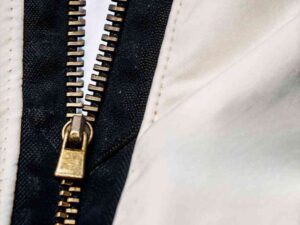 Brass zipper detail
What chemicals in dry cleaning can damage zipper materials?
The most commonly used solvent is perchloroethylene (perc)2. It’s highly effective at removing oil and stains, but it:
- Strips protective coatings on metal zippers
- Weakens plastic zippers by reacting with their chemical structure
- Can leave residue that stiffens the zipper track
Even “greener” solvents like hydrocarbon are milder but can still affect cheaper zippers.
Do heat or tumbling processes affect zipper teeth or sliders?
Yes. Dry cleaning machines use warm air and mechanical tumbling. That heat and friction can:
- Warp plastic or coil teeth
- Loosen metal sliders
- Misalign the zipper track, especially on delicate garments
Over time, this weakens the entire zipper system.
Which Types of Zippers Are Most Vulnerable During Dry Cleaning?
Not all zippers are created equal—some handle dry cleaning better than others.
Metal zippers are prone to corrosion and loss of finish, while plastic or coil zippers can deform from heat or solvent exposure. Lightweight zippers sewn into delicate fabrics are most at risk.

Are metal zippers more likely to corrode or rust?
Yes. If the metal zipper loses its protective lacquer coating, it becomes exposed to:
- Chemical corrosion from dry cleaning agents
- Moisture retention during post-cleaning steaming
- Oxidation that leads to rust and discoloration
Brass or nickel-plated zippers are especially vulnerable.
Do plastic or coil zippers warp or lose alignment from solvents?
Plastic and nylon coil zippers may look tough, but they react badly to:
- Solvent exposure that softens their shape
- Heat that can curl or warp zipper tape
- Tension from tumbling that pulls them out of alignment
These changes can make the zipper hard to close or prone to splitting.
What Common Zipper Problems Happen After Dry Cleaning?
Zippers might look fine post-cleaning but act very differently when used.
After dry cleaning, zippers often become stiff, unresponsive, or misaligned. Sliders may loosen, teeth may skip, or the zip may feel rough—all signs of wear from chemical or mechanical stress.
Why do zippers become stiff or hard to zip up after cleaning?
It’s usually due to:
- Residue from solvent chemicals or anti-static sprays
- Loss of original lubricants that coat the teeth during manufacturing
- Heat exposure that tightens the zipper tape or slider
Sometimes, a zipper just needs a little post-cleaning care to feel smooth again.
Can dry cleaning cause zippers to split or snag more easily?
Yes. The structural integrity of the zipper is often weakened by:
- Bent or stretched teeth
- A loose slider that no longer clamps the teeth together
- Warped zipper tape that throws the alignment off
These issues make zippers more likely to fail under normal use.
How Can You Protect Zippers Before Sending Clothes to the Dry Cleaner?
Taking small steps before handing over your clothes can prevent big damage later.
Always zip garments fully, and if possible, cover exposed zippers. Communicate with your dry cleaner about delicate or decorative zippers so they can take extra precautions.

Should you zip up or leave clothing open before dry cleaning?
Always zip up. This keeps the zipper aligned and prevents:
- Snagging during tumbling
- Bending from loose movement
- Slider damage from unnecessary stress
It also helps the dry cleaner handle the garment more easily.
Can garment bags or zipper covers prevent damage?
Definitely. Use:
- Mesh garment bags for light fabrics or multiple items
- Paper wraps or fabric strips around decorative or shiny zippers
- Request tags to alert the cleaner about sensitive trims
Some dry cleaners will do this automatically, but it’s best to ask.
What Are the Best Practices for Caring for Zippers Long-Term?
Zipper life can be extended with just a few minutes of aftercare.
Brush away residue, apply light lubrication, and avoid over-cleaning. If the garment doesn’t need dry cleaning every time, hand-washing or spot-cleaning can help preserve the zipper.
How to clean and lubricate zippers after dry cleaning?
Try this:
- Use a soft brush (like a toothbrush) to remove lint or dust from the teeth.
- Apply a small amount of zipper wax3, paraffin, or a graphite pencil to the teeth.
- Zip up and down a few times to distribute evenly.
- Wipe off any excess.
Repeat every 2–3 cleans, or whenever the zipper feels rough.
When is it better to hand-wash instead of dry clean garments with zippers?
Opt for hand-washing when:
- The fabric care label allows it
- The garment has exposed or decorative zippers
- The item has no heavy stains
Use cold water, a mild detergent, and hang dry flat to protect both the fabric and the zipper.
Conclusion
Dry cleaning may refresh your clothes—but it can quietly ruin your zippers if you’re not careful. With a few simple steps, you can protect your zippers and make your garments last longer.
-
Learn how to care for metal zippers to extend their life and maintain your clothing’s quality. ↩
-
Understanding perchloroethylene is crucial for making informed choices about dry cleaning and its impact on your garments. ↩
-
Discover the benefits of zipper wax for smooth operation and longevity of your zippers. ↩