Skip to content
I used to feel unsure about the different routes T-shirt brands could take. That doubt made me anxious. Then I noticed that each path—young fashion or mature couture—demands unique strengths. Now I have clarity. I am eager to share what I found about these two distinct brand strategies.
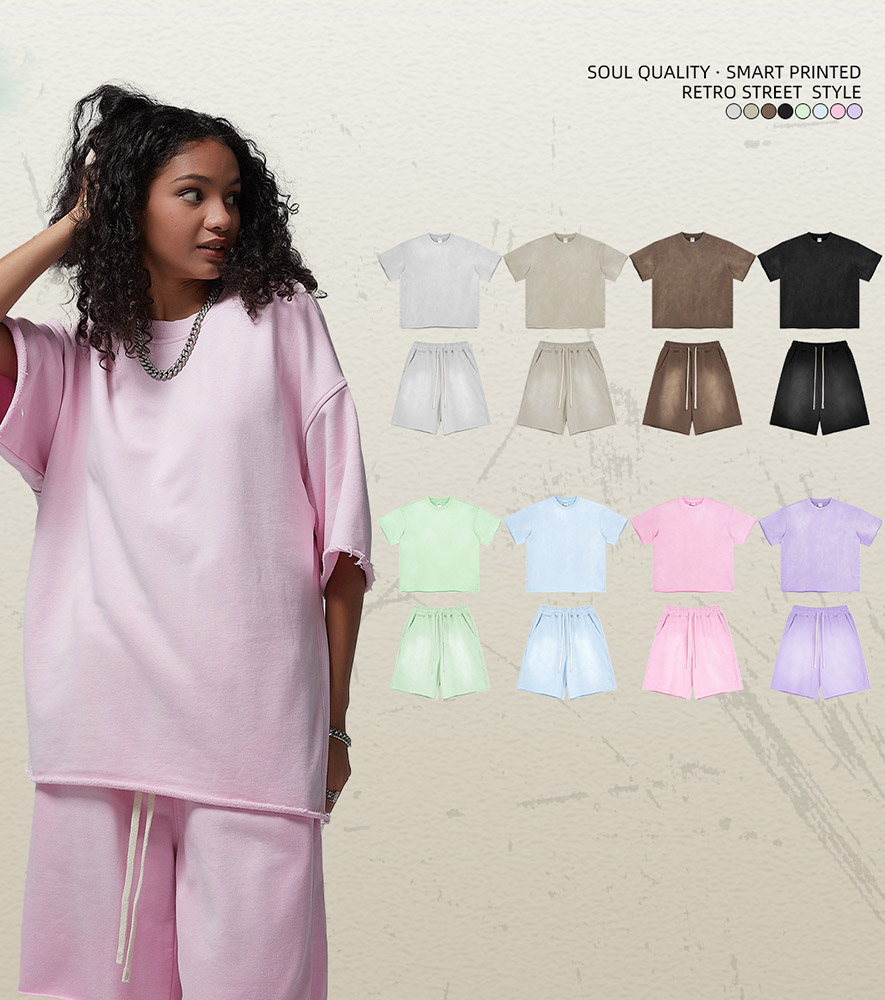
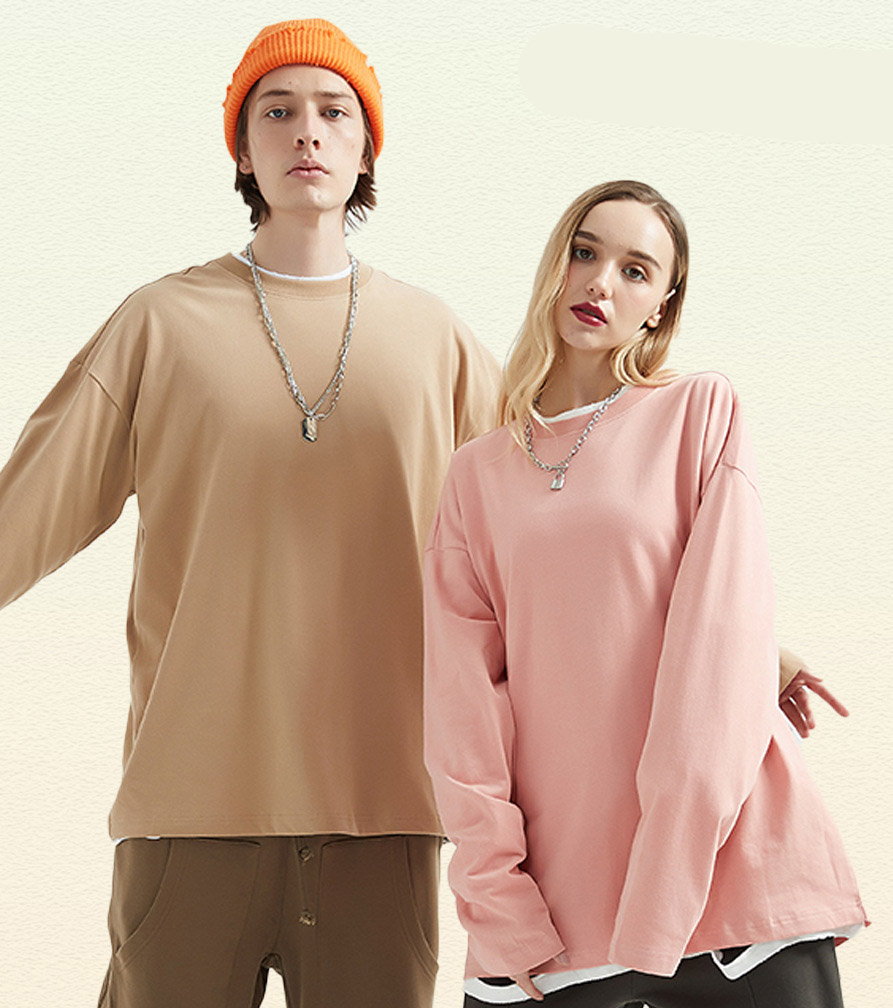
Young T-shirt labels rely on vibrant creativity, social media hype, and rapid product changes. Couture brands focus on premium materials, long-term reputations, and exclusive experiences. Both need strong brand identities, but they approach innovation and quality from different angles. Recognizing these core differences helps each brand thrive in its space.
I remember trying to merge both ideas into one brand. That attempt confused my audience and me. Let me reveal the key lessons that saved me.
What is the key to the success of young fashion T-shirt brands?
I once tested small production runs for young audiences. They wanted fresh drops and quick restocks. I realized that success hinges on culture, trends, and brand storytelling. I needed to keep everything fast and exciting.
Young T-shirt brands thrive on strong brand identity1, trendy design, and marketing that resonates with youth. This means aligning with current events, tapping into social media, and working with influencers. When these elements sync, the brand becomes a cultural voice, leading to viral sales and loyal followers.

How to create a brand vision and culture that attracts Generation Z?
I focus on themes that speak to Gen Z values, like sustainability or inclusivity. I write simple statements that spark conversation. I also invite customers to share their stories. Here is a quick approach I use:
| Step | Action |
|---|---|
| Identify | Research Gen Z interests |
| Reflect | Infuse brand with real values |
| Engage | Run interactive campaigns |
| Evolve | Adapt to feedback quickly |
When I stay open to feedback, my brand feels authentic. Then Gen Z engages more.
I have seen young brands partner with key opinion leaders (KOLs) and influencers who share brand values. They post limited-edition drops or real-life moments wearing these shirts. This sparks fast traction. When I combine eye-catching visuals, compelling hashtags, and a clear call to action, my sales jump within hours.
What core competitiveness do couture T-shirt brands need?
I once thought of couture as distant and formal. Then I realized that couture is about exceptional quality and consistent brand image. It also involves deep relationships with elite buyers.
Couture T-shirt brands need strict quality control2, stable access to rare fabrics, and refined production methods. They also emphasize personal services and storytelling. This approach builds strong loyalty among customers who value exclusivity. For couture brands, a flawless experience is just as important as the garment itself.
How to control the stable output of high-end fabrics and high-end craftsmanship?
I work with dedicated suppliers who specialize in rare materials. I also conduct regular inspections and use skilled artisans. Once, I collaborated with a local craft workshop that tests every stitch by hand. This ensures uniformity. By planning smaller production runs, I maintain consistent standards that reflect true luxury.
How can couture brands improve user stickiness through "customized experience3"?
I offer personalized fittings and custom color palettes. Clients love seeing their names embroidered or receiving tailored styling advice. This exclusivity turns each item into a collector’s piece. It also builds loyalty, since the buyer feels they own something truly unique. I find that premium clients value this the most.

What are the differences between fashion brands and couture in product design concepts?
When I studied fashion concepts, I saw that young brands often chase cultural movements or influencer trends. Couture houses lean toward timeless elegance and signature aesthetics. This leads to different design priorities.
Fashion brands tend to emphasize fast concepts and modern collaborations. They fuse bold statements with eye-catching visuals. Couture brands focus on precise craftsmanship and luxurious details. They elevate simplicity into art. Both embody creativity, yet the scale and depth of their expression can differ greatly.
Do fashion brands pay more attention to "concept" or "craftsmanship"?
I have noticed that many young brands put concept first. They love expressive prints, social statements, and shock value. Craftsmanship still matters, but it is balanced with speed. Their main goal is to stay relevant and fresh. This approach works best when the brand must adapt quickly to shifting trends.
How does couture T-shirt design reflect "ultimate quality" and brand value?
Couture T-shirts highlight the finest materials, detailed embroidery, or rare embellishments. I have seen pure silk trims or handwoven patterns. These touches separate couture from mass market. The brand name itself adds prestige. Clients often treasure these pieces as investments, showing the brand’s lasting influence on style and culture.
In terms of operational thinking, what are the essential differences between fashion brands and couture brands?
I studied operational strategies in both segments. Fast fashion thrives on quick turnarounds and hype. Couture invests time in exclusive releases. Both need strong logistics, but they differ in scale and pace.
Fashion brands run on high-volume, short-cycle production. They need frequent marketing pushes and flexible supply chains. Couture brands prefer smaller runs, higher profit margins, and more controlled timelines. Each model requires a tailored approach to inventory, launch schedules, and customer interactions.

How can fashion brands quickly iterate products and create topics?
I create micro-collections. I use limited-edition drops to spark urgency. I also build hype through collaborative projects or live-streamed previews. Then I watch audience reactions and adapt upcoming designs. This loop repeats swiftly. The brand stays fresh and visible. I call it “design and pivot,” which helps me reduce waste.
How can couture T-shirt brands achieve a "low frequency and high price" business model?
I schedule fewer releases, each with a lavish story. I pick premium materials and highlight artisanal work. This justifies a higher price. I also limit availability to maintain exclusivity. I want customers to anticipate each launch. That anticipation supports a high price while preserving the brand’s luxury status.
Conclusion
Fashion T-shirt brands move fast, adapt trends, and engage broad audiences. Couture T-shirt brands emphasize the highest quality, exclusivity, and deep client relationships. Both paths require focus, creativity, and a sense of identity. When I recognize these differences, I can position my brand more effectively and grow with confidence.
-
Exploring this resource will provide insights into building a compelling brand identity that resonates with your target audience. ↩
-
Discovering effective quality control measures can elevate your brand’s reputation and ensure product excellence, crucial for couture brands. ↩
-
This link will help you understand how to enhance customer loyalty through personalized experiences, a key strategy for success. ↩