Skip to content
I often see new T-shirt brands struggle with vague target groups. That’s painful, frustrating, and time-consuming. I used to face the same problem, and I know how urgent it feels to find the right audience before wasting resources.
I recommend a simple path: research specific demographics, observe their style preferences, and align product design with their core interests. This saves money and prevents random guesswork. I have learned this through years of trial and error in my own brand.
I remember panicking when my first collection flopped. I realized I had aimed at everyone but reached no one. That triggered my drive to explore audience analysis1 further. Let me show you how I refined my approach.
Why must T-shirt brands define their target audience2?
I used to skip defining my audience because I thought T-shirts were for everyone. But it was a mistake. Narrowing the group actually opened more possibilities. A focused audience helped me identify the trends and features they crave.
T-shirt brands need a clear audience focus to shape their style, marketing, and brand message effectively. Without it, brands may waste time designing shirts that do not resonate with anyone. Clarity on the ideal buyer boosts sales and credibility.

Why do T-shirt brands fail easily without understanding their audience?
I have seen many start-ups pour money into flashy ads without knowing who they want to attract. This leads to poor feedback, low engagement, and scattered sales. If you fail to understand your core consumers, you risk creating generic products that nobody identifies with.
What impact does target population analysis have on product design?
When I researched my audience deeply, I noticed they liked minimalist prints with subtle color palettes. That guided my design process and helped me release items that sold fast. Target population analysis influences color choices, graphic style, and even fabric preferences. It saves time and helps every design decision match the true market demand.
How to conduct crowd positioning3 for T-shirt brands?
I began by imagining my typical buyer’s age, job, and fashion habits. This step forced me to be realistic about who I want to serve. Then I matched that data with my brand values. That alignment made all the difference.
Crowd positioning starts with questions about who, what, and where. You define the age, occupation, and lifestyle of your ideal buyer. You also consider their pain points and interests. This process is simple but crucial.
How to divide target users by age, gender, occupation and other dimensions?
I break my audience into categories like teens, young professionals, or creatives. For me, each group demands a different style approach. I use a basic table to organize data:
| Dimension | Example Group | Key Style Need |
|---|---|---|
| Age | 18-25 | Trendy prints |
| Gender | Primarily Female | Softer colors |
| Occupation | Tech Workers | Casual comfort |
| Interests | Eco-conscious buyers | Sustainable fabrics |
What tools (such as ChatGPT or Gemini) can be used to quickly portray user portraits?
I rely on AI tools to get quick insights. ChatGPT helps me brainstorm hypothetical buyer personas. Gemini can integrate market data to refine each portrait. These platforms speed up my research and help me create more precise user sketches.

How to convert target user preferences into T-shirt product styles?
I faced confusion when trying to merge insights into real products. Then I realized it is about selecting the right cuts, colors, and graphics that match user tastes. This step feels fun once you clarify who you are designing for.
Translate user preferences into style elements. If they love simplicity, focus on clean lines and subtle tones. If they prefer bold statements, go for vivid colors and strong graphics. This alignment seals the emotional connection.
Casual style, street style, minimalist style… How to choose the right design direction?
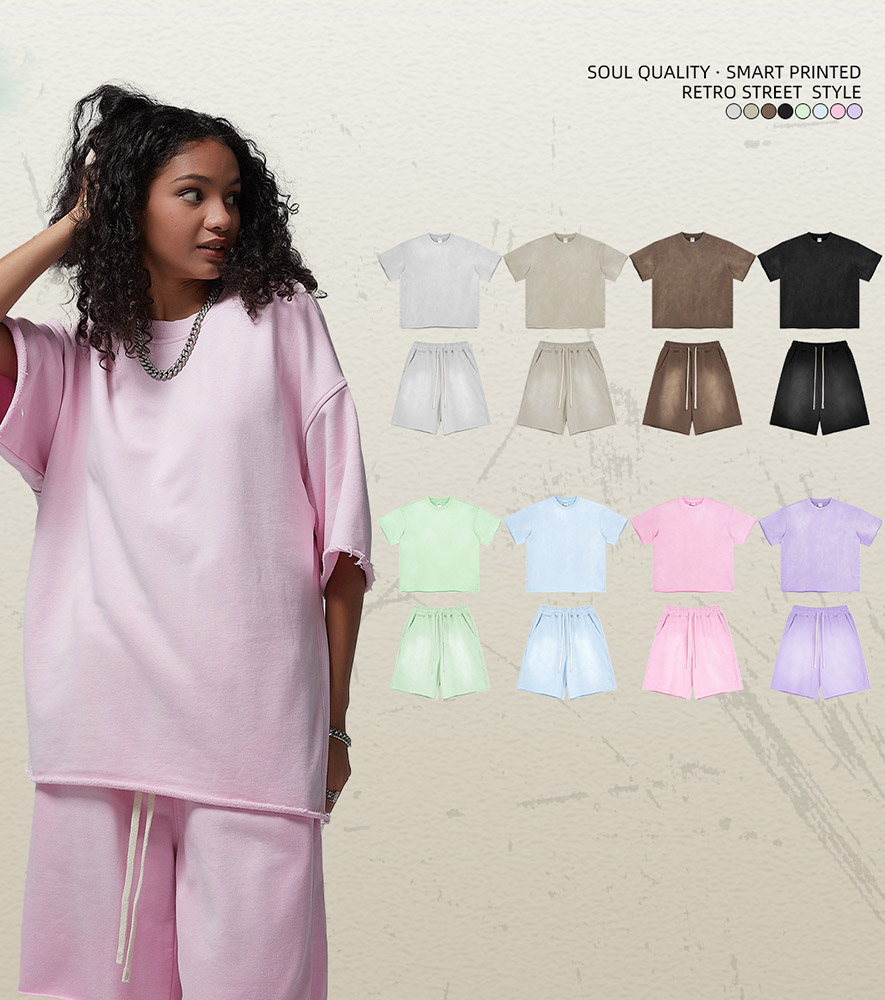
I think of style like a puzzle. If my audience is carefree, I focus on oversized cuts and soft fabrics. If they lean edgy, I use street style cues like graffiti prints and bright accents. I pick the aesthetic that best communicates their vibe.
How to analyze the style strategies of competing brands to optimize their own positioning?
I keep a close eye on brands with similar audiences. I check their social media, track which designs get high engagement, and note the patterns. Then I reflect on what I can do differently. This comparative study helps me refine my brand’s unique style while avoiding direct copying.
How can T-shirt brands create a brand language and visual image that resonates with the audience?
I realized having a logo is not enough. My brand voice, color palette, and photos all had to match my audience’s mindset. When I aligned everything under one identity, people started to remember me more easily.
A brand language that aligns with your audience should be consistent, clear, and visually engaging. This speaks volumes about your values and helps people bond with your story.
How can brand logos, colors, and copywriting establish an emotional connection with the target population?
When I finally nailed my soft purple palette, I noticed customers felt calm and cool. By pairing that palette with friendly, simple copywriting, I built an atmosphere that showed warmth. Logos and phrases can trigger feelings. Pick elements that fit your audience’s emotional triggers.
Yes, I tailor my posts to mirror the language and aesthetic of my audience. If they like casual content, I post relaxed photos and keep captions direct. If they enjoy deeper storytelling, I share behind-the-scenes snippets. Aligning tone with their habits leads to higher engagement.
Conclusion
I have learned that defining a precise target audience shapes everything. It drives your design, messaging, and overall brand identity. By focusing on who you serve, you build loyalty, boost sales, and reduce wasted effort. This path to clarity took me years, but I hope it saves you time and worry.
-
Audience analysis directly influences product design, ensuring that offerings resonate with consumers. Discover more about its importance in this link. ↩
-
Understanding your target audience is crucial for T-shirt brands to tailor their designs and marketing effectively. Explore this resource for actionable insights. ↩
-
Crowd positioning helps brands identify and cater to their ideal customers, enhancing marketing efforts. Learn more about this essential strategy here. ↩