Skip to content
Everyone wears T-shirts—but why are more consumers turning to high-end customized versions instead of fast fashion? It’s not just about style anymore. Personalization, premium fabrics1, and lifestyle expression are transforming this basic item into a fashion statement.
High-end customized T-shirts are gaining popularity because they combine individuality, better fabric quality, and exclusivity—offering more than just a piece of clothing but a personal experience.
When I noticed our clients repeatedly asking for special materials, unique designs, and private label services, I realized this wasn’t just a trend—it’s a shift in consumer values.
What are high-end customized T-shirts2? What is the essential difference between them and ordinary T-shirts?
Most people think a T-shirt is just a T-shirt. But when you compare high-end customized ones with mass-produced basics, the gap is clear.
High-end customized T-shirts are tailored to individual tastes and made with premium materials, offering better fit, higher durability, and a sense of exclusivity compared to ordinary T-shirts.
What are the key features of high-end customized T-shirts?
Let’s break it down simply:
| Feature | High-End Customized T-Shirts | Ordinary T-Shirts |
|---|---|---|
| Fabric | Organic cotton, Supima, Modal | Regular cotton or polyester |
| Fit | Custom-tailored or semi-fitted | Generic sizing |
| Design | Personal logo, limited edition | Mass printed, trend-driven |
| Production | Small batch, higher QC standards | Large volume, fast fashion |
The premium versions are built for comfort, made to last, and crafted to represent identity.
Compared with fast fashion T-shirts, in what aspects are high-end customized T-shirts more valuable?
Fast fashion focuses on speed and low cost. High-end customization focuses on long-term value.
- Longevity: High-end fabrics don’t shrink or fade quickly
- Comfort: Better breathability and fit
- Brand Story: Custom items reflect personal identity or lifestyle

As consumers grow tired of throwaway clothing, the appeal of meaningful, durable garments rises.
Why have personalized T-shirts become the focus of consumers?
We’re living in an era where everyone wants to stand out. Clothing is the easiest way to say who we are without speaking.
Personalized T-shirts allow consumers to express identity, creativity, and values, making them more than a garment—they’re personal statements.
It’s not just about fashion anymore—it’s about belonging, expression, and meaning.
Which personalized customization options are the most popular?
Here’s what most of our clients ask for:
- Embroidery: Logos, initials, or meaningful symbols
- Printing: Slogan, graphic art, or brand name
- Fit & cut: Oversized, cropped, or tailored shapes
- Fabric choice: Organic, moisture-wicking, bamboo, etc.
These options let consumers feel like they’ve co-designed the piece.
What factors do consumers care about most when choosing personalized T-shirts?
From hundreds of client conversations, here’s what matters most:
- Fit & comfort – People won’t wear it if it doesn’t feel good
- Fabric quality – Soft, breathable, durable
- Design uniqueness – Personal relevance, exclusivity
- Brand integrity – Sustainable, ethical production
Personalization is only powerful when the base product meets expectations.
What exactly has been upgraded with the upgrade of T-shirt materials? What impact does it have on the wearing experience?
Material upgrades are where many consumers feel the difference most—often immediately upon touch.
High-end T-shirts use premium fabrics like Supima cotton, bamboo fiber, and Tencel, which significantly improve softness, breathability, and longevity.
And this isn’t just a trend—it’s a comfort revolution.
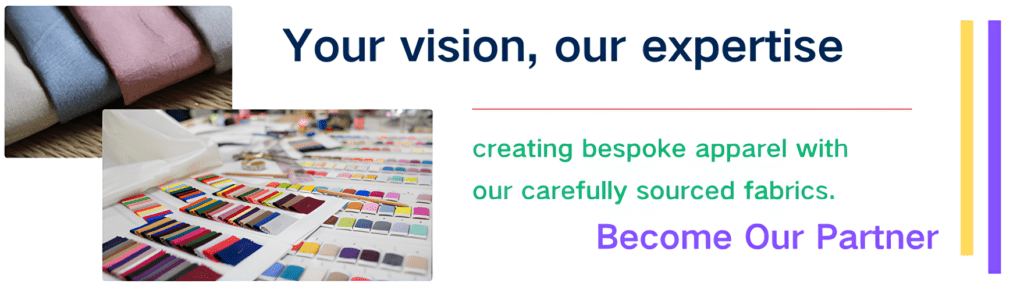
What are the high-quality fabrics commonly used in high-end T-shirts?
| Fabric Type | Key Benefits |
|---|---|
| Supima Cotton | Extra-long fibers, soft, strong, color-holding |
| Bamboo Viscose | Anti-bacterial, ultra-soft, eco-friendly |
| Modal | Silky texture, stays soft after washes |
| Tencel | Moisture-wicking, smooth, breathable |
These fabrics elevate both feel and performance.
How much difference do T-shirts of different materials have in comfort and durability?
A low-cost cotton tee may lose shape after 3 washes. A premium cotton tee stays smooth and fitted after 30+.
- Comfort: Higher thread count and softness = all-day wear
- Durability: Fewer pilling, fading, or shrinkage
- Value: Customers feel it’s worth the price
Better fabric equals fewer complaints, higher reorders, and long-term brand loyalty.
Many ask: how can a T-shirt sell for $50 or even $100? The answer is value stacking—not just fabric cost.
High-end T-shirts justify their premium through exclusivity, superior materials, detailed craftsmanship, and branding, creating emotional value beyond utility.
Customers buy how it makes them feel, not just how it looks.
How is the pricing strategy of high-end customized T-shirts formulated?
Pricing usually considers:
- Cost of goods – Higher due to fabric and labor
- Design & development – Time spent in creating unique pieces
- Brand positioning – Where the product sits in the market
- Perceived value – How much customers believe it’s worth
Luxury pricing isn’t random—it’s intentional and backed by product and experience.
How can brands increase the added value of their products through customized services?
Here’s what we do at Modaknits to add value:
- Offer flexible MOQ personalized services
- Integrate storytelling into the packaging
- Let customers pick trims, colors, and cuts
- Create limited edition runs with seasonal fabrics
Every touchpoint makes the product feel special. And that creates loyalty.
Conclusion
High-end customized T-shirts are not just clothes—they’re expressions of self, built with better materials and greater meaning. This shift toward quality and individuality isn’t slowing down.