Skip to content
Cotton has long been a staple in clothing manufacturing, known for its softness and breathability. But in recent years, finding 100% cotton clothing has become increasingly difficult. Why is that?
Many brands have moved away from 100% cotton because synthetic blends offer better durability, flexibility, moisture control, and cost efficiency. Cotton also requires extensive water and land resources, making it less sustainable than newer alternatives.
Let’s explore why pure cotton is becoming rare and what alternatives are taking over the fashion industry.
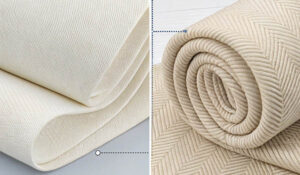
Why Are Brands Moving Away from 100% Cotton?
Clothing brands once relied heavily on 100% cotton, but today, most garments contain synthetic fibers. What caused this shift?
The decline of 100% cotton clothing1 is driven by cost factors, performance benefits of synthetic blends2, sustainability concerns, and changes in consumer preferences.
Rising Costs of Cotton Production
Producing cotton is expensive and resource-intensive. Key reasons include:
- High Water Consumption – Cotton is one of the most water-intensive crops, requiring large amounts of irrigation.
- Land and Labor Costs – Cotton farming requires significant land and manual labor, making it costlier than synthetic alternatives.
- Fluctuating Market Prices – Cotton prices can be unstable due to climate change, pest issues, and global demand shifts.
Better Performance with Synthetic Blends
While cotton is soft and breathable, it lacks durability and stretch. Synthetic fibers enhance fabric performance:
| Feature | 100% Cotton | Synthetic Blends |
|---|---|---|
| Durability | Prone to wear and shrinkage | More resistant to damage |
| Moisture-Wicking | Absorbs sweat, stays wet | Quick-drying and moisture-wicking |
| Stretchability | Rigid, loses shape over time | Maintains elasticity |
| Wrinkle Resistance | Wrinkles easily | Wrinkle-free, low maintenance |
Blends like cotton-polyester or cotton-spandex keep the natural softness of cotton while improving longevity and function.
Environmental Impact and Sustainability
The shift away from 100% cotton is partly due to sustainability concerns3:
- Cotton’s Environmental Footprint – Growing cotton depletes soil nutrients and relies on pesticides.
- Recycled Materials – Brands are incorporating recycled polyester and sustainable alternatives to reduce their carbon footprint.
- Bamboo and Hemp Blends – These eco-friendly fibers are replacing pure cotton in some garments.
What Are the Most Common Cotton Blends Today?
Since 100% cotton is declining, what are brands using instead?
Most modern fabrics blend cotton with synthetic or eco-friendly fibers to enhance durability, flexibility, and moisture control.

Cotton-Polyester Blend (Poly-Cotton)
- Why It’s Popular: Stronger than pure cotton, wrinkle-resistant, and more affordable.
- Best For: T-shirts, hoodies, casual wear.
Cotton-Spandex Blend
- Why It’s Popular: Adds stretch and flexibility, making it ideal for activewear.
- Best For: Leggings, yoga pants, fitted T-shirts.
Cotton-Rayon Blend
- Why It’s Popular: Softer and more breathable than pure cotton, with a silky feel.
- Best For: Lightweight tops, summer dresses.
Cotton-Hemp or Cotton-Bamboo Blend
- Why It’s Popular: More sustainable and breathable, with antibacterial properties.
- Best For: Eco-friendly fashion, casual wear.
Is 100% Cotton Completely Gone?
While 100% cotton is less common in everyday fashion, it still exists in specific industries. But where?
100% cotton is still used in premium clothing, bedding, workwear, and medical textiles where breathability and natural fibers are necessary.
Industries That Still Use 100% Cotton
| Industry | Why 100% Cotton is Used |
|---|---|
| Luxury Fashion | Preferred for softness and premium feel |
| Bedding & Linens | Natural breathability makes it ideal for sheets |
| Workwear & Uniforms | Flame-resistant properties for safety |
| Medical & Hygiene Products | Hypoallergenic and safe for sensitive skin |
Will 100% Cotton Make a Comeback?
As sustainability becomes a focus, could 100% cotton return to mainstream fashion?
While 100% cotton won’t disappear entirely, its use will likely remain limited due to cost and performance trade-offs. However, organic and sustainable cotton may see a rise in demand.

Factors That Could Bring Cotton Back
- Advancements in Sustainable Farming – Organic and water-efficient cotton farming could make cotton more viable.
- Consumer Demand for Natural Fibers – Shoppers concerned about microplastics in synthetic fabrics may prefer natural materials.
- Technological Innovations – Improved processing could enhance cotton’s durability without synthetic blends.
Conclusion
The decline of 100% cotton clothing is due to rising costs, improved synthetic blends, and environmental concerns. While cotton remains a staple in some industries, blends with polyester, spandex, and bamboo offer better durability, flexibility, and moisture control. As sustainability trends grow, organic cotton and eco-friendly alternatives may reshape the future of fashion.
-
Explore insights on the decline of 100% cotton clothing and its implications for the fashion industry. ↩
-
Learn about the advantages of synthetic blends over traditional cotton and how they are changing fashion. ↩
-
Discover how sustainability is reshaping the clothing industry and influencing material choices. ↩