Skip to content
Many fashion entrepreneurs and businesses want to launch their own clothing brands, but manufacturing from scratch can be costly and time-consuming. Private labeling offers an alternative way to build a brand without handling the entire production process.
Private labeling1 in apparel manufacturing means sourcing ready-made or customizable clothing from a manufacturer and selling it under your own brand name. This allows businesses to launch a clothing line quickly while maintaining brand exclusivity2.
Private labeling is a popular option for startups and established brands looking to expand their product offerings efficiently.
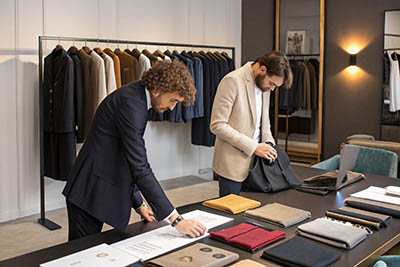
How does private labeling work in the apparel industry?
Private labeling allows businesses to customize pre-made designs with their own branding, rather than creating clothing from scratch.
In private labeling, a manufacturer produces generic or semi-customized clothing, which businesses can brand and sell as their own. This model speeds up production and reduces costs.
The private labeling process
- Choose a manufacturer – Find a supplier specializing in private-label clothing.
- Select products – Choose from a catalog of pre-designed clothing items.
- Customize branding – Add logos, labels, and unique design elements.
- Place orders – Meet the minimum order quantity (MOQ) requirements.
- Sell under your brand – Market and distribute the clothing as your own.
Common private-label products
- T-shirts, hoodies, and joggers
- Activewear and yoga apparel
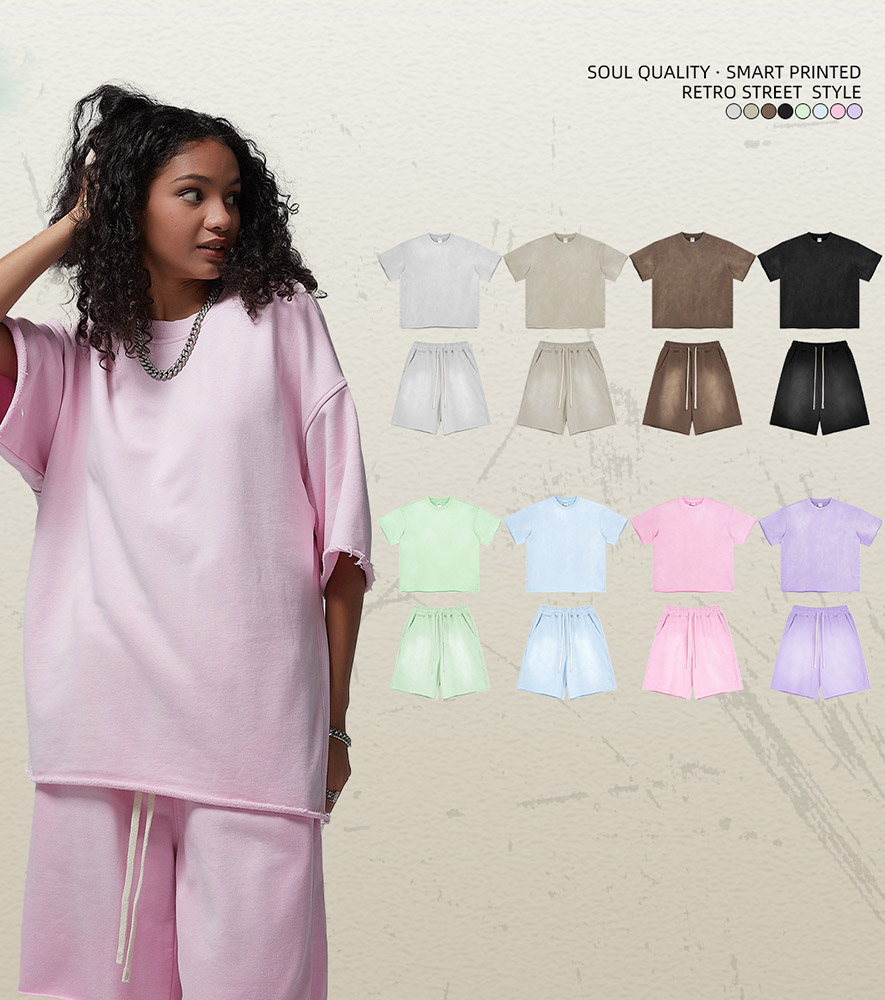
- Loungewear and streetwear
- Kids’ and maternity clothing
What are the benefits of private labeling in apparel?
Private labeling offers many advantages for businesses that want to enter the fashion market without high upfront costs.
The main benefits of private labeling include lower production costs3, faster time to market, and brand exclusivity.
Cost-effective production
- Manufacturers handle design, sourcing, and production, reducing expenses.
- Bulk purchasing lowers per-unit costs.
Faster time to market
- Ready-made product lines mean quicker brand launches.
- No need for lengthy design and prototyping phases.

Brand exclusivity
- Products carry your logo and branding, making them unique to your business.
- You can develop a loyal customer base without competition from identical branded items.
Scalability
- Start with small orders and increase production as demand grows.
- Test multiple product lines without committing to full-scale manufacturing.
What are the challenges of private labeling?
Despite its benefits, private labeling comes with some challenges that businesses must consider.
Potential downsides include limited design control, minimum order requirements, and competition from other private-label brands.
Limited product customization
- Private-label products are often based on pre-existing designs.
- Brands may have less control over fabric choices and fit.
Minimum order quantities (MOQs)
- Many manufacturers require bulk orders, which can be costly for startups.
- MOQs vary by supplier but can range from 50 to 1,000 pieces per style.
Competition with other private-label brands
- Some manufacturers supply multiple businesses with similar products.
- Branding and marketing efforts are crucial to standing out.
Quality control concerns
- Since manufacturers control production, ensuring quality consistency can be a challenge.
- Regular sample testing and factory visits help maintain standards.
How do you choose the right private-label manufacturer?
Selecting the right manufacturer is crucial to ensuring quality, reliability, and long-term success.
Look for a manufacturer with a strong reputation, flexible customization options, and a production capacity that meets your needs.
Key factors to consider
| Factor | Importance |
|---|---|
| Experience | Choose manufacturers with a proven track record in apparel production. |
| Product quality | Request samples before committing to a bulk order. |
| MOQ flexibility | Find suppliers with reasonable minimum order requirements. |
| Customization options | Ensure the manufacturer can add your branding, labels, and custom design elements. |
| Production timeline | Check turnaround times to avoid delays in launching products. |
Domestic vs. overseas manufacturers
| Factor | Domestic Manufacturers | Overseas Manufacturers |
|---|---|---|
| Cost | Higher | Lower |
| Production Speed | Faster | Longer shipping times |
| Quality Control | Easier to monitor | Requires strict quality checks |
| Customization | More flexible | Depends on the supplier |
How do you brand and market private-label clothing?
Branding is essential in private labeling since multiple businesses may sell similar products.
A strong brand identity, high-quality marketing, and effective distribution channels help private-label brands succeed.
Creating a unique brand identity
- Develop a logo, color scheme, and packaging that reflect your brand.
- Use high-quality product images and lifestyle photography.
Marketing strategies for private-label clothing
- Social media marketing – Use Instagram, TikTok, and YouTube to showcase your apparel.
- Influencer partnerships – Collaborate with fitness influencers, fashion bloggers, and athletes.
- E-commerce platforms – Sell through Shopify, Amazon, and direct-to-consumer (DTC) websites.
Leveraging digital advertising
- Run Facebook and Google ads to reach targeted audiences.
- Offer promotions and limited-time discounts to boost initial sales.
How does private labeling compare to white labeling?
Private labeling and white labeling are often confused, but they have key differences.
Private labeling allows for more customization and brand exclusivity, while white labeling involves selling generic products under multiple brand names.
Private Labeling vs. White Labeling
| Feature | Private Labeling | White Labeling |
|---|---|---|
| Customization | Higher – unique branding and minor design changes | Minimal – standard products sold under different brand names |
| Brand exclusivity | Exclusive to one brand | Same product can be sold under multiple brands |
| MOQ Requirements | Often higher due to customization | Lower as products are pre-made |
| Best for | Brands looking for differentiation | Resellers who want quick market entry |
Is private labeling right for your clothing business?
Private labeling is an excellent choice for entrepreneurs who want to start a clothing brand without handling full-scale manufacturing.
It works best for businesses looking for cost-effective production, brand exclusivity, and a faster launch timeline.
Who should consider private labeling?
✔️ Startups with limited design expertise
✔️ Established brands expanding into new categories
✔️ E-commerce businesses wanting to launch a fashion line
✔️ Influencers or fitness coaches looking to sell branded merchandise
Who might struggle with private labeling?
❌ Businesses wanting fully unique, custom designs
❌ Companies with limited capital to meet high MOQs
❌ Brands focused on high-end, luxury apparel
Conclusion
Private labeling in apparel manufacturing offers a fast, cost-effective way to launch a clothing brand. While it has limitations in customization, it provides brand exclusivity and scalability. Choosing the right manufacturer, building a strong brand identity, and leveraging digital marketing are key to success in the private-label fashion industry.
-
Explore this resource to understand how private labeling can help you launch your clothing brand efficiently and cost-effectively. ↩
-
Discover the importance of brand exclusivity and how it can help your clothing line stand out in a competitive market. ↩
-
Learn how private labeling can significantly reduce your production expenses, making it easier to enter the fashion market. ↩