Skip to content
The clothing industry is one of the biggest and most dynamic markets in the world. However, it faces serious challenges that threaten its sustainability, ethics, and profitability.
The most serious problem in the clothing industry is its environmental impact1. High pollution levels, excessive waste, and unsustainable production processes make it one of the most damaging industries globally.
Beyond environmental concerns, issues like unethical labor practices2, supply chain disruptions, and overproduction also create significant challenges.
Why is the environmental impact of the clothing industry so severe?
The fashion industry is the second-largest polluter in the world after oil. From water pollution to carbon emissions, its footprint is massive.
The main environmental problems include water consumption, chemical pollution, carbon emissions, and textile waste. Fast fashion has worsened these issues by promoting overproduction and disposability.
Excessive water consumption
The fashion industry uses about 93 billion cubic meters of water per year. Cotton farming alone requires vast amounts of water, leading to depletion in water-scarce regions.
Chemical pollution
Textile dyeing is one of the most polluting processes. Many factories dump untreated wastewater filled with toxic chemicals into rivers and oceans.
Carbon emissions
The industry produces around 10% of global carbon emissions, more than the airline and shipping industries combined.
Textile waste
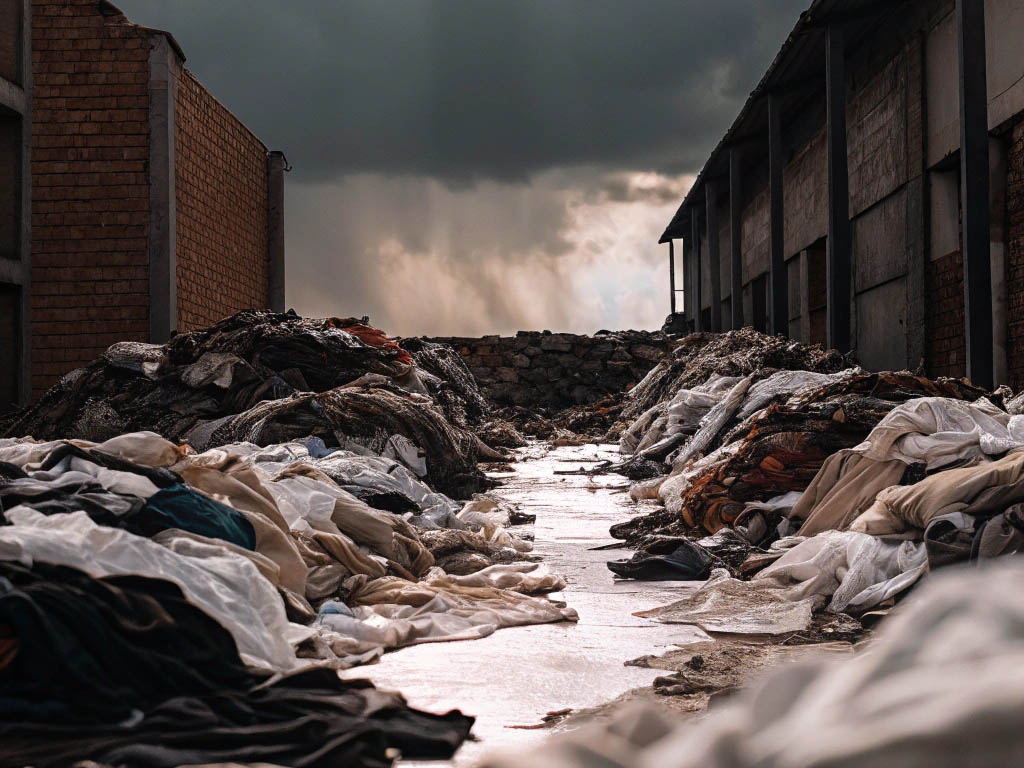
Every year, 92 million tons of clothing waste is generated, much of it ending up in landfills or incinerators.
How does fast fashion contribute to industry problems?
Fast fashion has made clothing cheaper and more accessible, but it comes at a high cost to the environment and workers.
Fast fashion encourages overproduction, poor-quality garments, and exploitative labor conditions.

Overproduction and waste
- Brands release new collections weekly, creating an endless cycle of buying and discarding clothes.
- Many unsold garments end up in landfills or are incinerated, wasting resources.
Poor quality and short lifespan
- Cheap synthetic fabrics degrade quickly, forcing consumers to replace clothing more often.
- Synthetic materials like polyester shed microplastics, polluting oceans.
Exploitative labor practices
- Low-cost production often relies on underpaid workers in unsafe conditions.
- Many fast fashion3 factories operate with little oversight, leading to human rights violations.
What are the biggest ethical concerns in the clothing industry?
Unethical labor practices are a major problem in the clothing industry, particularly in developing countries where most garments are made.
Many workers face poor wages, dangerous working conditions, and lack of labor rights.
Sweatshops and unfair wages
- Many garment workers earn below a living wage, often working 14+ hours a day.
- Bangladesh, India, and China are some of the top garment-producing countries with wage exploitation issues.
Unsafe working conditions
- The Rana Plaza factory collapse in 2013, which killed over 1,100 workers in Bangladesh, exposed the dangers of poor safety standards.
- Many factories still operate in unsafe buildings with little enforcement of labor laws.
Lack of transparency
- Some brands claim ethical practices but fail to monitor their supply chains.
- Without transparency, it is difficult to ensure fair treatment of workers.
How do supply chain disruptions affect the clothing industry?
Global events like the COVID-19 pandemic and geopolitical conflicts have exposed the fragility of fashion supply chains.
Delays, rising costs, and production shutdowns create major challenges for brands and retailers.
Transportation and logistics issues
- Shipping costs have surged, making it more expensive to move products across borders.
- Port congestion leads to delays, causing missed sales seasons.
Dependence on specific regions
- Many brands rely on a small number of countries for manufacturing, making them vulnerable to regional disruptions.
- Political instability, pandemics, and natural disasters can halt production for months.
Rising material costs
- Cotton, polyester, and other key textiles have seen price increases, squeezing profit margins.
- Brands must balance affordability with rising costs, often cutting corners in sustainability and ethics.
What steps can be taken to fix these problems?
The clothing industry must adopt sustainable and ethical practices to solve its biggest issues.
Solutions include sustainable materials, ethical labor policies, circular fashion, and increased consumer awareness.
Sustainable materials and processes
- Using organic cotton, recycled polyester, and plant-based fabrics reduces environmental impact.
- Water-saving dyeing techniques and renewable energy in factories lower pollution.
Ethical labor and fair wages
- Brands must ensure fair wages and safe working conditions through regular audits and transparent supply chains.
- Governments and consumers should pressure companies to improve labor standards.
Circular fashion and waste reduction
- Secondhand clothing, rental services, and recycling programs help reduce waste.
- Brands like Patagonia and Levi’s encourage resale and repair of old clothes.
Educating consumers
- Consumers must be aware of the impact of their purchases and choose sustainable brands.
- Buying fewer, higher-quality items reduces waste and demand for fast fashion.
Conclusion
The clothing industry faces many serious problems, but its environmental impact is the most urgent. Pollution, waste, and unethical labor practices threaten the planet and workers. However, solutions exist. Brands, governments, and consumers must work together to create a more sustainable and ethical fashion industry.
-
Understanding the environmental impact of the clothing industry is crucial for promoting sustainable practices and making informed choices. ↩
-
Learning about unethical labor practices can empower consumers to advocate for fair treatment of workers in the fashion industry. ↩
-
Exploring the effects of fast fashion can help consumers make better choices and support sustainable brands. ↩