Skip to content
The US sportswear industry is booming. More people are wearing activewear daily, not just for workouts but also as casual wear. The demand for stylish and functional apparel is driving rapid growth.
The US sportswear industry1 is worth over $100 billion, with consistent annual growth. Factors like fitness trends, athleisure popularity, and innovations in fabric technology contribute to its expansion.
Major brands and new players are competing for market share. Understanding market trends, consumer preferences, and key business strategies is crucial for those in the industry.
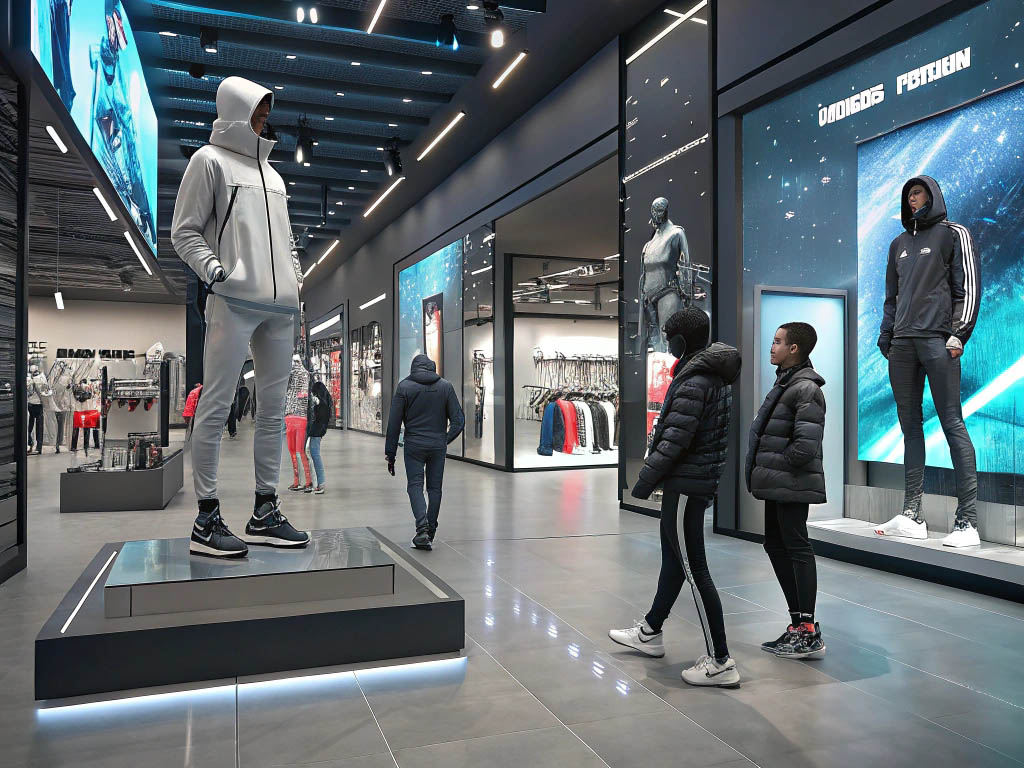
What factors drive the growth of the US sportswear market?
The sportswear market is not just about fitness anymore. Lifestyle shifts and technological advancements are shaping its evolution.
Three major factors drive the market: the rise of athleisure2, increasing health consciousness, and fabric innovation. Consumers want comfort, performance, and style in one package.
The rise of athleisure
Athleisure blends activewear with everyday fashion. People wear leggings, joggers, and performance T-shirts in both gyms and offices. This trend makes sportswear brands relevant beyond sports.
Health consciousness
More Americans are prioritizing fitness. Gym memberships, home workouts, and outdoor activities are increasing. This drives demand for high-quality sportswear.
Innovation in fabric technology
Moisture-wicking, temperature-regulating, and sustainable fabrics are in high demand. Consumers expect advanced materials that enhance performance and comfort.
Which companies dominate the US sportswear industry?
Big brands lead, but new players are making an impact. The competition is fierce, with brands innovating to stay relevant.
Nike, Adidas, and Under Armour are industry leaders. However, smaller brands like Lululemon and Gymshark are gaining ground with niche strategies.
| Brand | Market Share (%) |
|---|---|
| Nike | 35% |
| Adidas | 15% |
| Under Armour | 7% |
| Lululemon | 5% |
| Others | 38% |
Nike dominates with aggressive marketing and endorsements. Adidas focuses on sustainability3 and streetwear appeal. Under Armour targets performance-driven athletes. Lululemon excels in premium athleisure.

How has e-commerce changed the sportswear industry?
Online shopping has reshaped consumer habits. People prefer buying sportswear with a few clicks rather than visiting stores.
E-commerce now contributes over 40% of sportswear sales in the US. Direct-to-consumer (DTC) brands and digital marketing have made online shopping the preferred choice.
Rise of DTC brands
Brands like Gymshark and Outdoor Voices have built strong online communities. They bypass retailers, sell directly to customers, and use social media for growth.
Convenience and customization
Online platforms offer product personalization. Consumers can customize colors, sizes, and designs, making purchases more tailored.
Influencers and targeted ads drive e-commerce growth. TikTok, Instagram, and YouTube create trends that fuel demand.
How does sustainability impact the sportswear industry?
Consumers are demanding eco-friendly sportswear. Sustainability is no longer an option—it’s an expectation.
Brands are shifting to recycled fabrics, ethical production, and carbon-neutral goals. Sustainability influences purchasing decisions more than ever.
Sustainable materials
Brands are replacing polyester with recycled alternatives. Nike and Adidas are leading with sustainable collections.
Ethical production
Fair labor practices matter. Consumers support brands that ensure safe working conditions.
Waste reduction
Companies are exploring biodegradable materials and resale programs to reduce waste.

What challenges does the US sportswear industry face?
Despite growth, the industry faces obstacles. Supply chain disruptions, rising production costs, and brand competition create challenges.
Supply chain disruptions and cost fluctuations impact profits. Brands must balance affordability, sustainability, and innovation to stay competitive.
Supply chain issues
COVID-19 exposed weaknesses in global supply chains. Delays in raw materials and production affect product availability.
Pricing pressures
High-quality materials and sustainability efforts increase costs. Brands struggle to keep prices competitive while maintaining profit margins.
Brand differentiation
With many competitors, standing out is hard. Companies need strong branding, innovative products, and unique customer experiences.
Conclusion
The US sportswear industry is massive and still growing. Athleisure, fitness trends, and e-commerce fuel expansion. Sustainability and innovation will shape the future. Brands that adapt to these trends will thrive in an increasingly competitive market.
-
Explore this link to understand the scale and dynamics of the booming US sportswear market, which is worth over $100 billion. ↩
-
Discover how athleisure is transforming fashion and fitness, making sportswear a staple in everyday wardrobes. ↩
-
Learn about the growing importance of sustainability in sportswear, as brands shift towards eco-friendly practices and materials. ↩