Skip to content
Nylon is a popular synthetic fabric known for its durability and versatility. It’s used in everything from activewear to outerwear, but is it considered good quality for clothing?
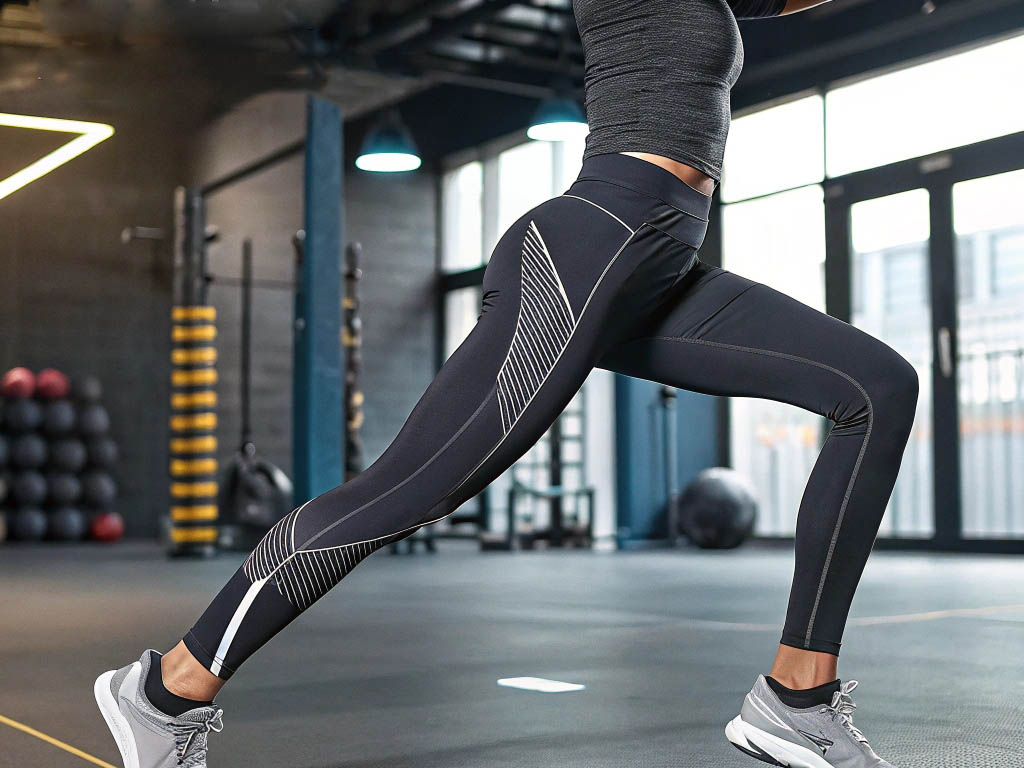
Yes, nylon is good quality for clothes because it is strong, durable, and resistant to wear and tear. It is lightweight, elastic, and quick-drying, making it ideal for activewear, swimwear, and outerwear. However, its breathability is limited, and it can feel less comfortable than natural fibers in hot weather.
Let’s explore the pros and cons of nylon as a clothing fabric and compare it to other materials in terms of durability, comfort, and maintenance.
What makes nylon good quality for clothing?
Nylon has several properties that contribute to its high quality and popularity in clothing.
Nylon1 is strong, elastic, and resistant to abrasion, making it long-lasting even under frequent use. It maintains its shape, resists wrinkles, and is lightweight, providing comfort and functionality. Its moisture-wicking and quick-drying properties are ideal for activewear and swimwear.
These features make nylon a reliable choice for versatile and durable clothing.
Why is nylon so durable?
Nylon fibers are made from synthetic polymers with a tightly packed molecular structure. This gives them high tensile strength, elasticity, and resistance to wear and tear, making nylon clothing long-lasting and reliable.
Does nylon maintain its shape?
Yes, nylon has excellent elasticity and shape retention, preventing sagging or stretching out. It bounces back to its original form even after repeated use and washing.
Is nylon resistant to wrinkles?
Yes, nylon is naturally wrinkle-resistant. Its smooth, synthetic fibers maintain a neat appearance without the need for ironing, making it low-maintenance and convenient for travel or active lifestyles.
How does nylon compare to other fabrics in durability?
Nylon is known for its exceptional durability, but how does it stack up against other popular fabrics?
Nylon is more durable than natural fibers like cotton and wool, which are prone to wear and tear. It is also stronger and more elastic than polyester, making it more resistant to stretching and shrinking.
This durability makes nylon a preferred choice for activewear, outerwear, and accessories.
Is nylon stronger than polyester?
Yes, nylon is stronger and more elastic than polyester, providing better resistance to abrasion and tearing. It is also more resilient, maintaining its shape and strength over time.
| Fabric Type | Durability Level | Strength | Elasticity |
|---|---|---|---|
| Nylon | Very High | Excellent | High |
| Polyester | High | Good | Medium |
| Cotton | Low to Medium | Moderate | Low |
| Wool | Medium | Moderate | Low to Medium |

Does nylon last longer than cotton?
Yes, nylon lasts longer than cotton because it is resistant to wear, tearing, and stretching. Cotton, on the other hand, is prone to fading, shrinking, and fraying over time.
Is nylon good for heavy-duty clothing?
Yes, nylon is ideal for heavy-duty clothing like outerwear, workwear, and sports gear because of its durability, elasticity, and resistance to harsh conditions.
Is nylon comfortable to wear?
Nylon is lightweight and flexible, providing comfort for various activities, but it has some drawbacks in terms of breathability and feel.
Nylon is comfortable for activewear and swimwear due to its stretch, lightweight feel, and quick-drying properties. However, it is not as breathable as natural fibers, and its synthetic texture can feel less soft against the skin.
Understanding nylon’s comfort level helps you decide if it’s suitable for your needs.
Is nylon breathable?
No, nylon is not highly breathable because of its tight weave and synthetic fibers. It traps heat and moisture, making it less comfortable in hot weather or during high-intensity activities.
How does nylon feel against the skin?
Nylon has a smooth, slightly slick texture, which can feel cool to the touch. However, it may not feel as soft or natural as cotton or bamboo, and some people find it less comfortable for prolonged wear.
Are nylon blends more comfortable?
Yes, nylon blends2 combined with natural fibers like cotton or moisture-wicking materials like polyester are more comfortable. They improve breathability and softness while retaining nylon’s durability and elasticity.
Is nylon good for sensitive skin?
Nylon is generally safe for most people, but it may not be suitable for sensitive skin or allergies.
Nylon is a synthetic fabric treated with chemical dyes and finishes, which can irritate sensitive skin or cause allergic reactions. It is also less breathable, potentially causing sweating and discomfort.
If you have sensitive skin, consider alternatives or blends with natural fibers.
Can nylon cause skin irritation?
Yes, nylon can cause skin irritation or rashes, especially for those with allergies or sensitive skin. Its synthetic nature and tight weave can trap heat and moisture, leading to chafing or discomfort.
Is nylon hypoallergenic?
No, nylon is not hypoallergenic. It can carry chemical residues from dyes or treatments, which may trigger allergies or irritation in sensitive individuals.

How to make nylon more comfortable for sensitive skin?
Choose nylon blends with natural fibers like cotton for better breathability and softness. Also, wash new nylon clothes before wearing them to remove any chemical residues.
Is nylon easy to care for?
Nylon is low-maintenance and easy to care for, making it a practical choice for busy lifestyles.
Nylon is machine-washable, quick-drying, and wrinkle-resistant. It maintains its shape and color even after repeated washes. However, it is sensitive to high heat, so avoid using hot water or high heat in the dryer.
These easy-care properties make nylon convenient for everyday wear.
Can you machine wash nylon?
Yes, nylon is machine-washable, but it’s best to use cold or lukewarm water to preserve its elasticity and prevent damage. Avoid fabric softeners, which can leave a residue on synthetic fibers.
Does nylon shrink in the wash?
No, nylon is resistant to shrinking because of its synthetic polymer structure. However, exposure to high heat from washing or drying can cause slight deformation or melting.
Is ironing necessary for nylon?
No, nylon is wrinkle-resistant and doesn’t require ironing. If needed, use a low heat setting and place a pressing cloth between the iron and fabric to avoid melting or shiny marks.
Is nylon eco-friendly?
Nylon is durable and long-lasting, but its environmental impact is significant.
Nylon is not eco-friendly because it is made from petroleum-based chemicals and is non-biodegradable. Its production releases greenhouse gases, and discarded nylon contributes to plastic pollution. However, recycled nylon3, such as ECONYL, is a more sustainable alternative.
Understanding the environmental impact helps you make informed choices about nylon clothing.
Why is nylon not sustainable?
Nylon is made from non-renewable petrochemicals, and its production emits nitrous oxide, a potent greenhouse gas. It also takes decades to decompose, contributing to landfill waste and microplastic pollution.
What is recycled nylon?
Recycled nylon, like ECONYL, is made from post-consumer waste, such as fishing nets and industrial scraps. It reduces environmental impact but is still less sustainable than biodegradable fibers.
Are there eco-friendly alternatives to nylon?
Yes, eco-friendly alternatives to nylon include Tencel, organic cotton, and recycled polyester. These materials are biodegradable or made from renewable resources, reducing environmental harm.
Conclusion
Nylon is good quality for clothes due to its durability, elasticity, and easy-care properties. It is ideal for activewear, swimwear, and outerwear but is less breathable and may not be comfortable for sensitive skin. Although it is not eco-friendly, recycled nylon offers a more sustainable option. Understanding the pros and cons of nylon helps you make informed decisions for comfort, functionality, and environmental impact.
-
Explore the advantages of nylon in clothing, including its durability and versatility, to understand why it’s a popular choice. ↩
-
Discover how blending nylon with natural fibers enhances comfort and breathability, making it suitable for sensitive skin. ↩
-
Learn about recycled nylon, its production process, and its benefits as a sustainable alternative to traditional nylon. ↩