Skip to content
Choosing the right fabric for your clothing isn’t just about style or comfort—it’s also about your health. Some fabrics are better for your skin and overall well-being than others.
The healthiest fabric to wear is organic cotton because it is breathable, hypoallergenic, and free from harmful chemicals. Other healthy options include bamboo, linen, and Tencel, which are natural, sustainable, and gentle on the skin.
Let’s explore why these fabrics are considered the healthiest and how they compare to synthetic materials in terms of comfort, allergies, and environmental impact.
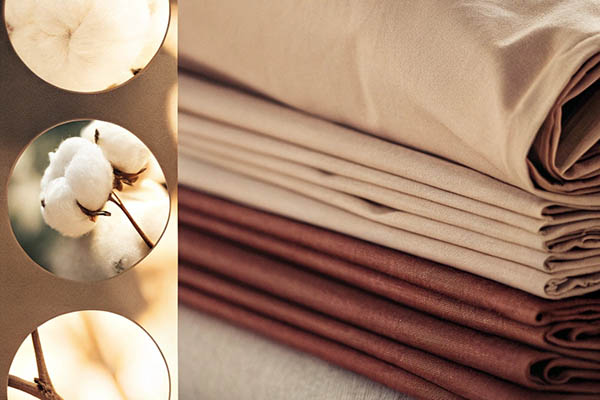
Why is organic cotton the healthiest fabric?
Organic cotton is the healthiest fabric because it is natural, breathable, and free from harmful chemicals.
Organic cotton is grown without pesticides, synthetic fertilizers, or toxic dyes, making it hypoallergenic and safe for sensitive skin. It also allows air circulation, preventing moisture buildup and reducing the risk of bacterial growth.
This makes it an excellent choice for everyday clothing, especially for people with allergies or skin sensitivities.
How is organic cotton1 different from regular cotton?
Regular cotton is often treated with pesticides and chemical dyes, which can irritate the skin or cause allergic reactions. In contrast, organic cotton is grown naturally and processed without harmful chemicals, preserving its softness and safety.
| Feature | Organic Cotton | Regular Cotton |
|---|---|---|
| Pesticides | None | Commonly used |
| Dyes | Non-toxic, natural | Synthetic, chemical-based |
| Skin Sensitivity | Hypoallergenic | Potential irritant |
Is organic cotton good for sensitive skin?
Yes, organic cotton is ideal for sensitive skin because it is free from harsh chemicals and is soft and breathable. It reduces the risk of rashes, itching, or allergic reactions.
Does organic cotton prevent body odor?
Organic cotton’s breathability prevents moisture buildup, reducing bacterial growth that causes body odor. This makes it a great choice for activewear or everyday clothing.
What are other healthy fabrics to consider?
While organic cotton is highly recommended, there are other healthy fabrics worth considering for their comfort and health benefits.
Bamboo, linen, and Tencel2 are also excellent choices because they are natural, breathable, and hypoallergenic. These fabrics are eco-friendly, gentle on the skin, and help regulate body temperature.
Exploring these alternatives gives you more options for a healthier wardrobe.

Why is bamboo fabric healthy?
Bamboo fabric is naturally antibacterial, moisture-wicking, and hypoallergenic. It is soft and breathable, making it suitable for sensitive skin. Bamboo is also sustainable, as it grows quickly without pesticides.
Is linen good for health?
Linen is made from flax fibers and is highly breathable, moisture-absorbing, and hypoallergenic. It is lightweight and keeps you cool in hot weather, reducing the risk of heat rashes or irritation.
What makes Tencel a healthy fabric?
Tencel, also known as lyocell, is made from wood pulp and is biodegradable. It is soft, breathable, and moisture-wicking, preventing bacterial growth. Tencel is also produced using non-toxic solvents, making it safe for sensitive skin.
| Fabric Type | Health Benefits | Eco-Friendliness |
|---|---|---|
| Bamboo | Antibacterial, hypoallergenic | Highly sustainable |
| Linen | Breathable, moisture-absorbing | Biodegradable, renewable |
| Tencel | Soft, moisture-wicking | Low environmental impact |
Are synthetic fabrics unhealthy?
Synthetic fabrics like polyester, nylon, and acrylic are widely used but can have negative health effects.
Synthetic fabrics are made from petrochemicals and are not breathable, trapping heat and moisture. They can cause skin irritation, allergic reactions, and body odor. Some synthetics also release microplastics during washing, impacting the environment and potentially human health.
Understanding the downsides of synthetics helps you make healthier fabric choices.
Why do synthetic fabrics cause skin irritation?
Synthetic fabrics are treated with chemical dyes, flame retardants, and other finishing agents that can irritate the skin or cause allergic reactions. They also trap moisture, promoting bacterial growth and odor.
Do synthetic fabrics affect body temperature?
Yes, synthetic fabrics are less breathable and trap heat against the skin, leading to overheating and discomfort. Natural fibers regulate body temperature better by allowing air circulation.
Are there safe synthetic alternatives?
Some synthetic fabrics are designed to be safer, such as moisture-wicking polyester blends for activewear. However, they still carry environmental concerns due to their petroleum-based origin and microplastic pollution.
How do healthy fabrics impact the environment?
Choosing healthy fabrics isn’t just good for your skin—it’s also better for the planet.
Natural and organic fabrics like cotton, bamboo, linen, and Tencel are biodegradable and produced using sustainable methods. They require fewer chemicals and water compared to synthetic fibers, reducing environmental pollution and carbon footprint.
Opting for eco-friendly fabrics supports both personal health and environmental sustainability.

Is organic cotton eco-friendly?
Yes, organic cotton is eco-friendly because it avoids harmful pesticides and uses less water compared to conventional cotton. It also reduces soil and water pollution.
How sustainable is bamboo fabric3?
Bamboo is one of the most sustainable fabrics because it grows quickly and requires minimal water and pesticides. It also produces more oxygen and absorbs more carbon dioxide than other plants.
Does Tencel harm the environment?
Tencel is made from sustainably sourced wood pulp using a closed-loop process that recycles water and non-toxic solvents. It is biodegradable and has a low environmental impact.
| Fabric Type | Environmental Impact | Sustainability |
|---|---|---|
| Organic Cotton | Low water usage, no pesticides | High |
| Bamboo | Rapid growth, low pesticides | Very high |
| Tencel | Closed-loop production | High |
| Polyester | Non-biodegradable, microplastics | Low |
Which fabric is best for sensitive skin?
If you have sensitive skin or allergies, choosing the right fabric is crucial for comfort and health.
The best fabrics for sensitive skin are organic cotton, bamboo, and Tencel. They are hypoallergenic, soft, and free from harsh chemicals that can cause irritation or allergic reactions.
These fabrics provide comfort and safety for people with eczema, psoriasis, or other skin conditions.
Why is organic cotton best for sensitive skin?
Organic cotton is grown without pesticides and processed without harsh chemicals, making it gentle and non-irritating. It’s soft, breathable, and reduces friction against the skin.
Can bamboo prevent skin allergies?
Bamboo is naturally hypoallergenic and antibacterial, reducing the risk of allergic reactions or irritation. Its smooth fibers are soft against sensitive skin.
Is Tencel safe for eczema or psoriasis?
Yes, Tencel is ideal for eczema or psoriasis because it is smooth, breathable, and moisture-wicking. It keeps the skin dry and reduces irritation or flare-ups.
Conclusion
The healthiest fabric to wear is organic cotton, followed by bamboo, linen, and Tencel. These natural fibers are hypoallergenic, breathable, and free from harmful chemicals, making them ideal for sensitive skin and overall well-being. In contrast, synthetic fabrics can cause irritation and environmental harm. By choosing natural and sustainable fabrics, you can enhance your comfort, protect your skin, and support a healthier planet.
-
Explore the health benefits of organic cotton, known for being hypoallergenic and free from harmful chemicals, making it ideal for sensitive skin. ↩
-
Learn about Tencel’s unique properties, including its moisture-wicking and biodegradable nature, perfect for those with skin sensitivities. ↩
-
Discover why bamboo fabric is praised for its antibacterial properties and sustainability, making it a great choice for sensitive skin. ↩