Skip to content
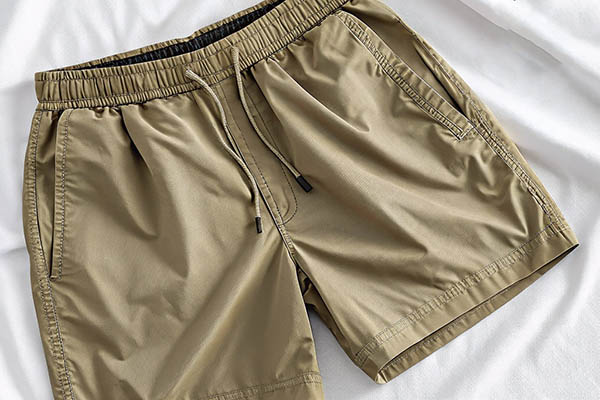
Nylon shorts are popular for their comfort, durability, and versatility. But do nylon shorts make noise?
Yes, nylon shorts can make noise, especially if they are made from stiff or thick nylon fabric. The swishing sound is caused by the friction between the fabric layers when walking or moving.
However, not all nylon shorts are noisy. Choosing softer, lightweight, or blended nylon fabrics can minimize noise. Let’s explore why nylon shorts make noise, how to reduce it, and the best types of nylon shorts for a quieter experience.
Why do nylon shorts make noise?
Nylon shorts make noise because of the friction between the fabric layers when they rub against each other during movement.
Nylon is a synthetic fabric with a smooth, slick surface that creates a swishing sound when the layers come into contact.
This is more noticeable with stiff, thick, or loosely fitted nylon shorts1.
Why Nylon Shorts Make Noise
- Fabric Friction: The smooth, synthetic surface of nylon creates friction when layers rub together, producing a swishing sound.
- Stiff or Thick Fabric: Stiff or thick nylon fabrics produce more noise due to increased friction and rigidity.
- Loose Fit and Extra Fabric: Looser or baggy nylon shorts have more fabric that rubs together, increasing noise.
- Wind and Movement: Fast movements or windy conditions increase fabric friction, amplifying the noise.
- Low-Quality or Coated Nylon: Low-quality or coated nylon fabrics tend to be stiffer and noisier.
Nylon shorts make noise due to the friction between fabric layers, especially if they are stiff, thick, or loosely fitted. Choosing softer or lightweight nylon reduces friction and noise.
Do all nylon shorts make noise?
No, not all nylon shorts make noise. The noise level depends on the fabric type, thickness, and fit.
Soft, lightweight nylon or nylon-spandex blends2 are quieter than stiff or thick nylon.
Slim-fitting shorts with minimal excess fabric also reduce noise by minimizing friction between layers.

Factors Affecting Noise Level
- Fabric Type and Thickness: Soft, lightweight nylon is quieter than stiff, thick nylon.
- Blended Fabrics: Nylon-spandex or nylon-cotton blends are softer and quieter due to improved flexibility.
- Fit and Cut: Slim-fitting shorts produce less noise as they have minimal excess fabric that rubs together.
- Coating and Finish: Coated or water-resistant nylon is stiffer and noisier due to its slick surface.
- Quality of Fabric: High-quality nylon is softer and quieter, while low-quality nylon is stiffer and noisier.
Choosing the right type of nylon shorts, such as lightweight or blended fabrics, reduces friction and noise. Slim-fitting shorts with minimal excess fabric also help minimize noise during movement.
How to reduce noise from nylon shorts?
There are several ways to reduce noise from nylon shorts3, including choosing the right fabric, fit, and maintenance techniques.
Opt for soft, lightweight nylon or nylon-spandex blends for quieter movement. Proper washing and fabric softeners can also soften the fabric and reduce noise.
Additionally, wearing compression or base layers underneath minimizes friction and noise.
Tips to Reduce Noise from Nylon Shorts
- Choose Soft, Lightweight Nylon: Soft, lightweight nylon fabrics produce less noise than stiff or thick nylon.
- Opt for Blended Fabrics: Nylon-spandex or nylon-cotton blends are softer and quieter due to improved flexibility.
- Select Slim-Fitting Styles: Slim-fitting shorts have less excess fabric that rubs together, reducing noise.
- Wash with Fabric Softener: Washing with fabric softener softens the fabric, reducing stiffness and noise.
- Wear Base Layers: Wearing compression shorts or base layers underneath reduces friction and noise.
- Avoid Coated or Water-Resistant Nylon: Coated or water-resistant nylon is stiffer and noisier due to its slick surface.
- Break in the Fabric: Wearing and washing the shorts multiple times softens the fabric, reducing noise over time.
Choosing the right type of nylon shorts and maintaining them properly reduces friction and noise. Lightweight, blended, or slim-fitting shorts provide a quieter, more comfortable experience.

Do nylon-spandex blends make less noise?
Yes, nylon-spandex blends are quieter than pure nylon because of their stretch, flexibility, and softness.
Spandex provides elasticity, reducing friction and noise during movement.
The blend also enhances comfort, flexibility, and fit, minimizing the excess fabric that causes noise.
Why Nylon-Spandex Blends are Quieter
- Stretch and Flexibility: Spandex adds stretch and flexibility, reducing friction and noise.
- Soft and Lightweight Fabric: Nylon-spandex blends are softer and lighter, creating less friction between layers.
- Snug, Supportive Fit: The stretchy, form-fitting design minimizes excess fabric, reducing noise.
- Improved Comfort and Mobility: Enhanced comfort and flexibility allow smoother, quieter movement.
Nylon-spandex blends are perfect for activewear, sports, or casual wear, providing a quieter, more comfortable experience. They minimize noise while ensuring stretch, flexibility, and support during movement.
Do mesh-lined nylon shorts make noise?
Yes, mesh-lined nylon shorts can make noise if the outer nylon layer is stiff or thick.
The mesh lining itself is usually quiet, but the outer nylon layer can create a swishing sound if it rubs against the mesh or other fabric layers.
Choosing soft, lightweight nylon with a smooth, breathable mesh lining reduces noise.
How to Reduce Noise in Mesh-Lined Nylon Shorts
- Choose Soft, Lightweight Nylon: Opt for lightweight nylon with a soft, smooth surface to minimize friction.
- Look for Breathable Mesh Lining: Breathable, lightweight mesh reduces friction and noise.
- Opt for Slim-Fitting Designs: Slim-fitting shorts have less excess fabric, reducing friction and noise.
- Break in the Fabric: Wearing and washing the shorts multiple times softens the fabric, reducing noise over time.
Mesh-lined nylon shorts are comfortable and practical but may make noise if the outer layer is stiff. Choosing lightweight, soft nylon with breathable mesh lining minimizes friction and noise.
Do water-resistant nylon shorts make more noise?
Yes, water-resistant nylon shorts are generally noisier because of their coated, slick surface.
Water-resistant coatings create a stiffer, smoother surface that increases friction and noise when the layers rub together.
The noise is more noticeable during fast movements, windy conditions, or when the fabric is dry.
Why Water-Resistant Nylon is Noisier
- Coated, Slick Surface: The water-resistant coating creates a smooth, slick surface that increases friction.
- Stiffer Fabric Structure: Water-resistant nylon is stiffer and less flexible, producing more noise.
- Reduced Softness and Flexibility: The coating reduces softness and flexibility, increasing noise during movement.
- Increased Friction: The smooth surface increases friction between fabric layers, causing noise.
To reduce noise, choose uncoated nylon or nylon-spandex blends with moisture-wicking properties. These fabrics are quieter while still providing comfort and quick-drying properties.
Are nylon shorts noisier than other fabrics?
Yes, nylon shorts are generally noisier than natural fabrics like cotton or linen but quieter than polyester or windbreaker materials.
Natural fabrics like cotton and linen are softer and more breathable, producing less noise.
In contrast, synthetic fabrics like nylon and polyester are smoother and more rigid, creating more friction and noise during movement.
Comparison of Noise Levels by Fabric Type
| Fabric Type | Noise Level | Key Characteristics |
|---|---|---|
| Nylon | Moderate (depends on thickness and coating) | Lightweight, moisture-wicking, durable |
| Nylon-Spandex Blend | Low (soft, stretchy, flexible) | Stretchy, flexible, comfortable |
| Polyester | Moderate to High (stiffer, slick surface) | Quick-drying, durable, moisture-wicking |
| Cotton | Low (soft and breathable) | Soft, breathable, comfortable |
| Linen | Low (lightweight and breathable) | Lightweight, breathable, natural fiber |
| Windbreaker Material | High (stiff, slick, coated) | Water-resistant, windproof, noisy |
Nylon shorts are quieter than polyester or windbreaker materials but noisier than cotton or linen. Choosing soft, lightweight, or blended nylon minimizes noise while maintaining comfort and performance.
Conclusion
Yes, nylon shorts can make noise due to the friction between fabric layers, especially if they are made from stiff or thick nylon.
However, not all nylon shorts are noisy. Choosing soft, lightweight nylon or nylon-spandex blends reduces friction and noise.
Opting for slim-fitting designs, washing with fabric softener, and avoiding coated or water-resistant nylon also minimizes noise.
With the right choice and care, nylon shorts provide comfort, flexibility, and a quieter experience.
-
Explore the advantages of nylon shorts, including comfort, durability, and versatility, to enhance your wardrobe choices. ↩
-
Discover how nylon-spandex blends improve comfort and reduce noise, making them ideal for activewear and casual use. ↩
-
Learn effective tips and techniques to minimize noise from nylon shorts, ensuring a quieter and more comfortable experience. ↩