Skip to content
Sewing swimwear requires special techniques for stretch and durability. But do you really need a serger to make high-quality swimsuits?
No, you don’t necessarily need a serger to make swimwear, but it makes the process easier and provides more professional results. A regular sewing machine with stretch stitches can also be used effectively.
Let’s explore the pros and cons of using a serger versus a sewing machine for making swimwear.
Why is sewing swimwear challenging?
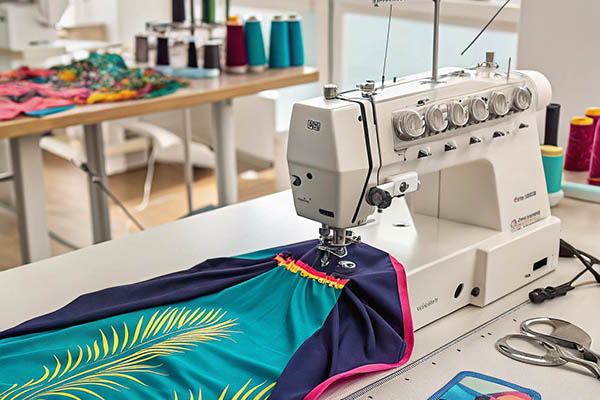
Swimwear requires specific construction techniques to ensure stretch, durability, and comfort. But what makes it so challenging?
Sewing swimwear is challenging due to the need for stretch, elasticity, and durability. It requires specialized stitches and techniques to handle stretchy, slippery fabrics.
Swimwear fabrics, like nylon-spandex and polyester-spandex blends, are stretchy and delicate. Sewing them incorrectly can cause puckering, skipped stitches, or broken seams. Here’s why it’s challenging.
Stretch and Elasticity
Swimwear needs to stretch without breaking the seams. Regular straight stitches don’t provide enough stretch and can snap under tension.
- Solution: Use stretch stitches1 that move with the fabric.
- Tip: Test stitch settings on fabric scraps before sewing the final piece.
Slippery and Delicate Fabrics
Swimwear fabrics are smooth and slippery, making them difficult to handle and sew accurately.
- Solution: Use clips instead of pins to prevent fabric shifting.
- Tip: Use a walking foot or a Teflon foot for better fabric grip.
Durability and Chlorine Resistance
Swimwear is exposed to chlorine, saltwater, and sun, which can weaken seams and cause fading.
- Solution: Use polyester thread for chlorine and UV resistance.
- Tip: Reinforce stress points like straps and leg openings for durability.
Comfort and Fit
Swimwear should be snug but comfortable, with flat seams that don’t cause irritation.
- Solution: Use flatlock or zigzag stitches for stretchy, comfortable seams.
- Tip: Use soft elastic for waistbands and leg openings for a secure but comfortable fit.
What is a serger, and how does it help in making swimwear?
A serger2 is a specialized sewing machine designed for stretchy and delicate fabrics. But how does it help in making swimwear?
A serger trims, sews, and finishes seams in one step, creating stretchy, durable seams that are perfect for swimwear. It also prevents fraying and gives a professional finish.
A serger, also known as an overlocker, uses multiple threads to create a stretchy, durable seam while trimming the fabric edge. Here’s why it’s useful for swimwear.

Stretchy and Durable Seams
A serger creates stretchy seams that move with the fabric, preventing the stitches from snapping under tension.
- 4-Thread Overlock Stitch: Provides strong, stretchy seams perfect for swimwear.
- 3-Thread Overlock Stitch: Creates lightweight, flexible seams for delicate areas.
Professional Finish
A serger trims and finishes raw edges in one step, giving a clean, professional look.
- Rolled Hem: Creates a neat, narrow hem for swimwear edges.
- Coverstitch: Finishes hems with a double-needle look for a professional finish.
Prevention of Fraying
Swimwear fabrics don’t fray easily, but a serger seals the edges to prevent any unraveling, especially in high-stress areas.
Speed and Efficiency
A serger stitches faster than a regular sewing machine, saving time on long seams and complex curves.
- Faster Sewing Speed: Sergers sew at high speeds, making production quicker.
- One-Step Finishing: Sergers trim, sew, and finish seams simultaneously.
Can you make swimwear without a serger?
A serger offers many advantages, but is it absolutely necessary? Can you achieve good results with a regular sewing machine?
Yes, you can make swimwear without a serger by using a regular sewing machine with stretch stitches like zigzag, triple stretch, or overlock stitches.
A regular sewing machine can effectively sew swimwear if you use the right techniques and settings. Here’s how to do it.
Stretch Stitches on a Regular Sewing Machine
A regular sewing machine can create stretchy seams using specific stitches designed for knit and stretch fabrics.
- Zigzag Stitch: The most common option for swimwear, providing stretch and flexibility.
- Triple Stretch Stitch: Durable and stretchy, ideal for high-stress areas.
- Overlock Stitch: Mimics a serger’s finish but without trimming the fabric.

Hemming and Finishing Edges
You can achieve professional-looking hems and edges with a regular sewing machine by using twin needles or zigzag stitches.
- Twin Needle Hem: Creates a double-stitched hem that stretches with the fabric.
- Zigzag Hem: Simple but effective for stretchy fabrics.
Reinforcing Seams
Reinforce stress points like straps, waistbands, and leg openings for durability.
- Tip: Use a narrow zigzag stitch to reinforce seams without adding bulk.
- Tip: Backstitch at the beginning and end of seams for extra strength.
Using the Right Needle and Thread
- Needle Type: Use a ballpoint or stretch needle to prevent skipped stitches.
- Thread Type: Polyester thread is recommended for strength and chlorine resistance.
What are the pros and cons of using a serger vs. a regular sewing machine?
Both a serger and a regular sewing machine can be used for swimwear, but each has its advantages and limitations. So, which one is better?
A serger provides professional finishes, faster sewing, and more durable seams, while a regular sewing machine is versatile, affordable, and suitable for beginners.
Pros and Cons of Using a Serger
Pros:
- Professional Finish: Trims, sews, and finishes seams in one step.
- Stretchy and Durable Seams: Ideal for stretchy swimwear fabrics.
- Speed and Efficiency: Faster sewing with fewer steps.
Cons:
- Costly Investment: Sergers are more expensive than regular sewing machines.
- Learning Curve: More complex to thread and operate.
- Limited Versatility: Designed mainly for seam finishing and not for detailed sewing tasks.
Pros and Cons of Using a Regular Sewing Machine
Pros:
- Versatility: Can sew different types of stitches, buttonholes, and zippers.
- Cost-Effective: More affordable and widely available.
- Beginner-Friendly: Easier to learn and operate.
Cons:
- Slower Speed: Takes longer to sew and finish seams.
- Less Professional Finish: Seams may not look as polished as with a serger.
- Weaker Seams: Not as durable or stretchy as serged seams.
Comparison of Serger vs. Regular Sewing Machine for Swimwear
| Feature | Serger | Regular Sewing Machine |
|---|---|---|
| Professional Finish | Trims, sews, and finishes seams in one step | Requires multiple steps for seam finishing |
| Stretchy and Durable Seams | Excellent stretch and durability | Good stretch but less durable |
| Speed and Efficiency | Fast sewing speed and efficiency | Slower and more time-consuming |
| Versatility | Limited to seam finishing | Versatile for various sewing tasks |
| Cost | Expensive investment | More affordable and accessible |
Conclusion
No, you don’t necessarily need a serger to make swimwear, but it makes the process easier and provides more professional results. A regular sewing machine with stretch stitches can also be used effectively. A serger offers durable, stretchy seams and a polished finish, while a regular sewing machine is more versatile and cost-effective. Choosing between them depends on your budget, sewing skills, and desired finish.