Skip to content
Hemp is often associated with sustainability, durability, and eco-friendliness. But does that make it a luxury fabric? Many people wonder whether hemp belongs in the same category as high-end materials like silk, cashmere, or organic linen.
Hemp can be considered a luxury fabric when processed for high-end fashion1. While traditionally seen as a durable workwear material, modern hemp textiles offer softness, exclusivity, and eco-conscious appeal2, making them a premium choice in sustainable fashion.
The perception of hemp as a luxury fabric depends on its processing, branding, and market positioning. Let’s explore what makes a fabric "luxury" and where hemp stands in the fashion world.
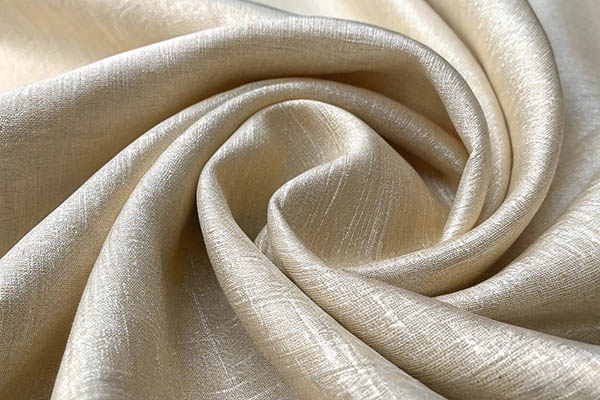
What Defines a Luxury Fabric?
Luxury fabrics share key characteristics that make them desirable and exclusive.
A luxury fabric is defined by superior quality, rarity, craftsmanship, and branding. These elements combine to create a premium textile with high perceived value.
The luxury fashion industry values fabrics that provide both aesthetic appeal and comfort. Let’s break down the key factors:
1. Material Quality
Luxury fabrics must be soft, durable, and visually appealing. While raw hemp can feel coarse, advanced processing techniques create smooth, high-end textiles.
2. Exclusivity and Rarity
Luxury often means limited availability. While hemp is widely cultivated, premium-grade hemp fabrics are still rare, as they require specialized processing and higher-quality fiber selection.
3. Craftsmanship and Processing
Luxury fabrics undergo meticulous production, from fiber harvesting to weaving and finishing. High-end hemp textiles are processed using advanced techniques to enhance softness and drape.
| Feature | Luxury Fabrics | Regular Fabrics |
|---|---|---|
| Material Quality | High | Moderate |
| Exclusivity | Rare | Common |
| Craftsmanship | Specialized | Mass-produced |
| Branding | Premium | Standard |
Can Hemp Be Considered a High-End Fabric?
Hemp has evolved beyond its workwear roots to enter the luxury market.
Hemp can be considered high-end when processed into soft, finely woven textiles. It is increasingly used in luxury fashion due to its sustainability and unique texture.
While hemp was historically used for ropes and utilitarian clothing, modern hemp fabrics are far more refined. Here’s why hemp is gaining luxury status:
1. Advanced Processing Creates Soft Textures
New technologies allow hemp fibers to be softened, making them comparable to linen and organic cotton. Blending hemp with silk or bamboo further enhances its luxury appeal.
2. Sustainable and Ethical Production
Luxury fashion is increasingly aligning with sustainability. Hemp’s minimal environmental impact makes it a preferred choice for eco-conscious luxury brands.
3. Premium Branding and Market Positioning
Brands that promote high-quality, limited-edition hemp garments position them as premium fashion pieces, attracting luxury buyers.

How Does Hemp Compare to Traditional Luxury Fabrics?
Hemp stands out due to its sustainability and durability.
Compared to silk, cashmere, or linen, hemp offers durability, breathability, and environmental benefits, but it lacks the natural sheen and drape of some luxury fabrics.
Let’s compare hemp with well-known luxury fabrics:
1. Hemp vs. Linen
Hemp and linen are both plant-based, breathable, and durable. Hemp is slightly stronger and more eco-friendly but can be rougher unless specially processed.
2. Hemp vs. Silk
Silk is soft, smooth, and lustrous, while hemp has a more textured feel. Blending hemp with silk creates a fabric that combines strength with elegance.
3. Hemp vs. Cashmere
Cashmere is ultra-soft and insulating, making it ideal for luxury winter wear. Hemp, while breathable and lightweight, doesn’t provide the same warmth.
| Fabric | Softness | Durability | Breathability | Sustainability | Cost |
|---|---|---|---|---|---|
| Hemp | Medium | Very High | High | Very High | Medium |
| Linen | Medium | High | High | High | Medium |
| Silk | Very High | Low | Medium | Low | High |
| Cashmere | Very High | Medium | Low | Low | Very High |
Why Is Hemp Used in Luxury Fashion?
Luxury brands are embracing hemp for its unique texture and eco-conscious appeal.
Hemp is increasingly featured in high-end fashion collections, particularly in sustainable luxury3 brands that value ethical sourcing and durability.
Several factors contribute to hemp’s rise in luxury fashion:
1. High Fashion Designers Experimenting with Hemp
Luxury brands like Stella McCartney and Gucci have explored hemp textiles in their sustainable collections, elevating hemp’s status.
2. Hemp’s Distinctive Texture
Unlike mass-produced synthetic fabrics, hemp’s natural irregularities add character to garments, appealing to luxury buyers seeking uniqueness.
3. The Shift Toward Sustainable Luxury
Consumers are demanding ethical and eco-friendly fashion. Hemp aligns perfectly with this movement, offering a luxury experience with a reduced environmental footprint.
Is Hemp Expensive Enough to Be a Luxury Fabric?
Price plays a role in defining luxury, and hemp textiles can be costly.
Hemp clothing is more expensive than conventional fabrics due to limited production, labor-intensive processing, and eco-friendly practices, making it a premium textile.
Factors that drive up the cost of hemp fabric:
1. Limited Global Production
Hemp cultivation is still restricted in some regions, leading to higher prices compared to mass-produced cotton or polyester.
2. Labor-Intensive Processing
Unlike synthetic fabrics, hemp requires extensive processing to achieve softness and fine texture, increasing costs.
3. Sustainable Certification and Ethical Sourcing
Many luxury hemp brands focus on organic certification, fair trade labor, and chemical-free dyeing, all of which add to the final price.
| Cost Factor | Hemp Fabric | Cotton Fabric | Synthetic Fabric |
|---|---|---|---|
| Production Volume | Low | High | Very High |
| Processing Complexity | High | Medium | Low |
| Sustainability Costs | High | Low | Very Low |
Is Hemp a Status Symbol in Fashion?
Luxury fashion is as much about branding as material quality.
Hemp is becoming a status symbol among eco-conscious consumers, representing sustainability, exclusivity, and ethical fashion choices.
Here’s why hemp is gaining status appeal:
1. Association with Sustainability
Wearing hemp signals a commitment to environmentally friendly fashion, appealing to conscious luxury shoppers.
2. Limited Availability
Unlike fast-fashion fabrics, premium hemp textiles are produced in smaller quantities, making them more exclusive.
3. Celebrity Endorsement
Eco-conscious celebrities and influencers have embraced hemp fashion, boosting its desirability among high-end consumers.
Conclusion
Hemp can be considered a luxury fabric when processed into high-quality textiles and positioned within the premium fashion market. Its durability, sustainability, and increasing use in designer collections make it an emerging choice for eco-luxury. While not traditionally luxurious like silk or cashmere, hemp’s exclusivity, craftsmanship, and ethical appeal contribute to its growing status in high-end fashion.
-
Discover the characteristics of high-end fashion to see how hemp is being integrated into luxury collections. ↩
-
Learn about eco-conscious appeal and its significance in modern fashion, especially regarding materials like hemp. ↩
-
Explore the concept of sustainable luxury to understand how hemp fits into eco-conscious fashion trends. ↩