Skip to content
Hemp clothing is known for its durability and sustainability, but how does it react to water? Many people wonder whether hemp garments can handle getting wet without damage.
Yes, hemp clothing can get wet. In fact, hemp fibers absorb and release moisture efficiently, making the fabric breathable and resistant to mildew. However, excessive water exposure without proper drying can lead to shrinkage, stiffness, or odor issues.
Hemp’s relationship with water makes it unique compared to other fabrics. Let’s explore how it performs in different conditions and how to care for wet hemp garments.
How Does Hemp Fabric React to Water?
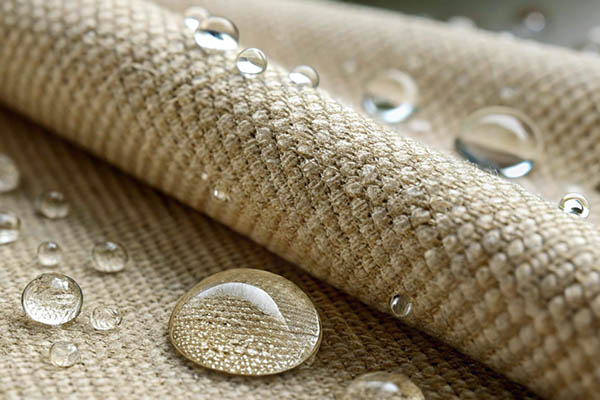
Hemp’s moisture properties make it both absorbent and quick-drying.
Hemp fabric absorbs water1 well but dries faster than cotton. It remains strong when wet, making it suitable for humid conditions and outdoor wear.
Unlike some fabrics that weaken when soaked, hemp retains its structural integrity. Here’s how hemp interacts with water:
1. High Absorbency
Hemp can absorb up to 20% of its weight in moisture before feeling damp. This makes it ideal for breathability, helping wick away sweat from the skin.
2. Quick-Drying Properties
Hemp dries faster than cotton because of its porous fiber structure. This reduces the chances of lingering dampness, which can lead to mildew or unpleasant odors.
3. Strength When Wet
Many fabrics lose strength when exposed to water, but hemp remains durable. This makes it a reliable choice for activewear, outdoor clothing, and even workwear in wet environments.
| Property | Hemp Clothing | Cotton Clothing | Synthetic Clothing |
|---|---|---|---|
| Absorbency | High | High | Low |
| Drying Speed | Fast | Slow | Very Fast |
| Strength When Wet | Strong | Weaker | Varies |
Does Hemp Clothing Shrink When Wet?
Shrinkage is a concern for many natural fabrics, including hemp.
Hemp clothing can shrink2cosh.eco/en/articles/environmental-benefits-of-hemp)3 can shrink when exposed to high temperatures while wet. Washing in cold water and air drying prevents excessive shrinkage.
Hemp fibers tighten when exposed to heat and agitation. Here’s how to manage shrinkage:
1. Cold Water Washing
Hot water accelerates fiber contraction. Always wash hemp garments in cold or lukewarm water to maintain their original size.
2. Air Drying Instead of High Heat
Tumble drying, especially on high heat, can shrink hemp clothing. The best drying method is air drying in a shaded area to prevent heat damage.
3. Fabric Blends and Shrinkage
Hemp blended with cotton or bamboo tends to shrink less than pure hemp. Checking garment care labels ensures proper handling.

Is Hemp Clothing Waterproof?
Hemp is not naturally waterproof, but it resists moisture better than some fabrics.
Hemp fabric is water-absorbent but not waterproof. However, it can be treated with wax coatings or synthetic blends to enhance water resistance.
While hemp doesn’t repel water like synthetic rainwear, it has unique properties that help in damp conditions:
1. Natural Water Absorption
Hemp pulls moisture away from the skin but dries quickly, making it comfortable in light rain or humid weather.
2. Waxed Hemp for Waterproofing
Some manufacturers apply beeswax or plant-based wax coatings to hemp garments to improve water resistance.
3. Blended Hemp Fabrics
Blending hemp with materials like organic cotton or polyester enhances water repellency while maintaining breathability.
| Feature | Pure Hemp Fabric | Waxed Hemp | Hemp Blends |
|---|---|---|---|
| Water Absorption | High | Low | Moderate |
| Drying Speed | Fast | Slower | Varies |
| Waterproof? | No | Yes | Partially |
How to Dry Hemp Clothing Properly After Getting Wet?
Drying hemp clothing correctly extends its lifespan.
To dry hemp clothing properly, air dry it in a well-ventilated area away from direct sunlight. Avoid using high-heat dryers to prevent shrinkage.
Hemp’s absorbency means it can hold moisture longer than synthetics. Here’s how to dry it effectively:

1. Air Drying
Hang hemp garments on a clothesline or drying rack in a shaded, breezy area. Sunlight can cause fading, so indirect drying is best.
2. Low Heat or No-Heat Drying
If using a dryer, select the lowest heat setting or a no-heat tumble dry. High heat can damage fibers and cause shrinkage.
3. Avoid Overcrowding
Ensure enough space between garments when drying to allow proper air circulation and even drying.
Can Hemp Clothing Get Moldy When Wet?
Mold growth is a common issue with damp natural fabrics.
Hemp clothing can develop mold if left damp for too long. Proper drying and storage prevent mildew buildup.
Hemp’s high moisture absorbency means it needs careful handling to prevent mold:
1. Immediate Drying
Never leave wet hemp clothes in a pile or closed space. Spread them out for proper drying.
2. Mold Prevention Treatments
Washing hemp garments with white vinegar or baking soda can help eliminate mold spores and odors.
3. Proper Storage
Store hemp clothing in a dry, ventilated space. Avoid plastic bags, as they trap moisture and promote mold growth.
Can You Wear Wet Hemp Clothing?
Wearing damp hemp garments is possible, but not ideal.
Hemp clothing can be worn wet, but it may feel stiff and heavy due to its moisture retention. It’s best to let it dry fully for maximum comfort.
Hemp absorbs a lot of moisture, which can make wearing it wet uncomfortable. Here’s what happens when you wear damp hemp:
1. Heaviness and Stiffness
Unlike synthetics that dry on the body, hemp becomes slightly stiff when wet, making movement less comfortable.
2. Cooling Effect
Damp hemp clothing feels cool against the skin due to its breathability. This can be beneficial in hot weather but uncomfortable in cold temperatures.
3. Potential Odor Issues
If worn wet for too long, hemp clothing may develop a musty odor. It’s always best to dry it fully before wearing.
Is Hemp Clothing Good for Rainy Weather?
Hemp is breathable, but not the best choice for heavy rain.
Hemp clothing is comfortable in humid weather but not ideal for heavy rain unless treated for water resistance.
Hemp works well in light drizzles but has limitations in extreme wet conditions:
1. Absorbs Rain Quickly
Pure hemp clothing will soak up rain rather than repel it, making it less suitable for wet environments.
2. Cold When Wet
Hemp doesn’t insulate well when wet, unlike wool. In cold rain, it may become uncomfortable.
3. Best for Layering
Using hemp as a base layer under a waterproof shell provides the best combination of breathability and dryness.
Conclusion
Hemp clothing can get wet without damage, but proper care is essential. While it absorbs moisture well and dries quickly, prolonged dampness can lead to shrinkage or mildew. By washing in cold water, air drying, and storing in dry conditions, you can maintain hemp’s durability and comfort in various weather conditions.
-
Learn about hemp’s unique moisture-absorbing properties and how they compare to other fabrics for better clothing choices. ↩
-
Discover effective methods to prevent shrinkage in hemp clothing, ensuring your garments maintain their fit and longevity. ↩
-
Explore the advantages of hemp clothing, including its durability, sustainability, and comfort, to make informed choices for your wardrobe. ↩