Skip to content
Hemp clothing has gained popularity as a sustainable fashion choice. But is it perfect? Not quite. Like any fabric, hemp has its downsides that are worth considering.
The main disadvantages of hemp clothing are its rough texture1, limited color options2, higher cost3, and susceptibility to wrinkles. These factors can impact comfort, style variety, and overall practicality for everyday wear.
While hemp is eco-friendly, these disadvantages can influence your decision when choosing fabrics. Let’s explore these issues in detail.
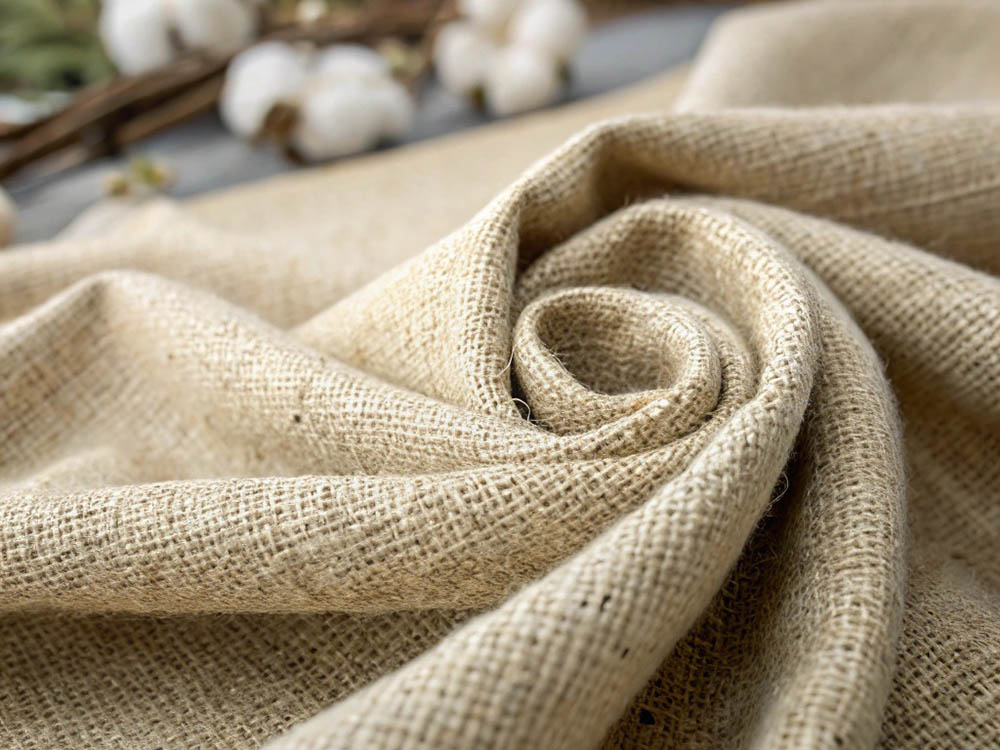
Why Does Hemp Clothing Feel Rougher Than Other Fabrics?
Hemp fibers are naturally coarse, which affects the feel of the fabric.
Hemp clothing often feels rougher than cotton or synthetic fabrics, especially in its raw or untreated form. This coarseness can make hemp less comfortable for sensitive skin.
Hemp’s rough texture comes from the natural structure of the fibers. While modern processing techniques can soften hemp, it rarely matches the smoothness of cotton. Here’s a closer look:
1. Fiber Structure
Hemp fibers have a stiff, woody core, making the fabric more rigid than other natural materials. The uneven texture creates a scratchy feel, particularly when hemp clothing is new.
2. Processing Limitations
Unlike cotton, hemp requires more intensive processing to achieve softness. Manufacturers often blend hemp with cotton or bamboo to improve comfort. However, blending increases costs and may reduce the durability that makes hemp so appealing.
3. Wear and Softening Over Time
Hemp clothing does soften after repeated washing, but this process takes time. If you’re seeking immediate comfort, hemp might disappoint initially.
Why Does Hemp Clothing Offer Limited Color Options?
Hemp’s natural properties make dyeing more challenging than with other fabrics.
Hemp clothing tends to have fewer color options because the fibers are highly absorbent but resist holding synthetic dyes well, resulting in muted tones and limited variety.
Color selection plays a major role in fashion choices, and hemp’s limitations can be frustrating. Here’s why hemp clothing typically lacks vibrant colors:
1. Natural Fiber Absorption
Hemp fibers absorb water easily but struggle with synthetic dyes. As a result, colors often appear faded or uneven compared to cotton or polyester.
2. Eco-Friendly Dye Challenges
Since hemp is popular in sustainable fashion, many manufacturers avoid chemical dyes to maintain eco-friendly credentials. Natural dyes work well with hemp but provide earthy tones, limiting the color palette.
3. Color Fading Over Time
Even when dyed successfully, hemp fabric can fade faster than synthetic alternatives. Exposure to sunlight accelerates this process, which may disappoint those seeking long-term vibrancy.
For fashion-conscious buyers, these color limitations can reduce hemp’s appeal despite its environmental benefits.

Why Is Hemp Clothing More Expensive?
Sustainability comes with a price tag, and hemp clothing is no exception.
Hemp clothing typically costs more due to limited production, labor-intensive processing, and its niche market position compared to mainstream fabrics like cotton and polyester.
Let’s break down the key factors behind hemp’s higher price:
1. Limited Global Production
Although hemp has been cultivated for centuries, modern production remains limited. Most countries regulate hemp farming, restricting supply. As a result, economies of scale haven’t yet lowered costs as they have with cotton.
2. Labor-Intensive Processing
Turning raw hemp fibers into fabric involves multiple steps, from retting and decorticating to spinning and weaving. This process requires more time and labor than manufacturing synthetic fabrics, increasing production costs.
| Factor | Hemp Clothing | Cotton Clothing |
|---|---|---|
| Raw Material Cost | High | Low |
| Processing Time | Long | Short |
| Market Demand | Niche | Mainstream |
3. Eco-Friendly Practices
Sustainable farming practices and non-toxic dyeing methods, common in hemp clothing production, add to the cost. Ethical wages for workers and environmentally responsible manufacturing also contribute to higher retail prices.
Why Does Hemp Clothing Wrinkle Easily?
Wrinkling is a common frustration for hemp wearers.
Hemp clothing wrinkles easily because of its rigid fiber structure and lack of elasticity, resulting in creases that appear after washing or prolonged wear.
Wrinkles can make hemp garments look unkempt if not properly cared for. Here’s what causes this issue:
1. Fiber Rigidity
Hemp fibers are stiff by nature. Unlike cotton or synthetic fabrics, hemp doesn’t stretch easily, making creases more likely to form during everyday use.
2. Moisture Sensitivity
Hemp absorbs moisture from the air, which can cause fibers to contract and wrinkle. Humid conditions often worsen this effect, making hemp less suitable for climates with fluctuating humidity levels.
3. Maintenance Requirements
Hemp garments need regular ironing or steaming to maintain a neat appearance. While blending hemp with cotton reduces wrinkling, it also diminishes hemp’s durability and environmental advantages.

Does Hemp Clothing Shrink After Washing?
Shrinkage is a concern when caring for hemp apparel.
Hemp clothing can shrink after washing, especially when exposed to hot water or high-heat drying. Proper care practices help minimize this issue.
Hemp fibers respond dramatically to heat and agitation, causing garments to shrink if not handled correctly. Here’s how to manage this:
1. Washing Guidelines
Cold water washing is essential. Hot water weakens fibers and causes shrinkage, much like with cotton fabrics.
2. Drying Precautions
Air drying works best for hemp clothing. Tumble drying, especially on high heat, leads to size reduction and premature wear.
3. Fabric Blends and Stability
Hemp-cotton blends often shrink less than pure hemp fabrics. Checking the care label before washing is crucial to maintain garment size and shape.
Is Hemp Clothing Prone to Mold and Mildew?
Despite hemp’s breathability, mold growth can occur under certain conditions.
Hemp clothing can develop mold if stored in damp environments due to its high absorbency. Proper drying and storage practices prevent this issue.
Hemp fibers absorb moisture easily, which, while great for breathability, can lead to mold problems if garments aren’t thoroughly dried. Here’s what you need to know:
1. Moisture Retention
Hemp holds water more readily than synthetic fabrics. If clothes are left damp or stored in humid areas, mold growth becomes a risk.
2. Storage Practices
Storing hemp clothing in a dry, well-ventilated space helps prevent mold. Vacuum-sealed bags and moisture-absorbing sachets are effective solutions.
3. Cleaning Strategies
Washing hemp clothing with vinegar or baking soda can eliminate mold spores. Avoid bleach, as it weakens fibers and damages fabric integrity.
Conclusion
Hemp clothing offers sustainability and durability, but it’s not without drawbacks. The rough texture, limited color options, higher cost, wrinkling, potential for shrinkage, and mold susceptibility can influence your fabric choices. Understanding these disadvantages helps you make informed purchasing decisions while still supporting eco-friendly fashion practices.
-
Understanding the reasons behind hemp’s rough texture can help you decide if it’s suitable for your comfort needs. ↩
-
Exploring the dyeing challenges of hemp can provide insight into its fashion versatility and appeal. ↩
-
Learning about the factors contributing to hemp’s higher price can help you assess its value in sustainable fashion. ↩