 Skip to content
Ever wondered how a simple design sketch turns into the clothes you wear every day? The journey from idea to finished garment is more intricate than you might think.
The three main processes involved in making clothes are design and development1, fabric production2, and garment manufacturing3.
Each stage requires precision, creativity, and collaboration. Let’s explore these processes in detail.
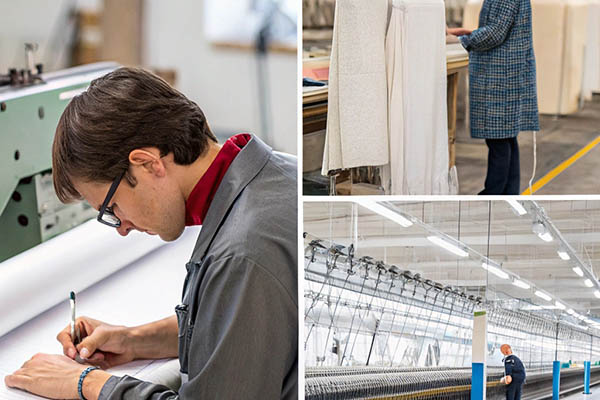
What Happens During the Design and Development Stage?
Design and development is the foundation of any garment. It sets the creative and technical direction for the entire production process.
In this stage, designers create sketches, develop tech packs, and finalize samples to communicate the vision to manufacturers.
This process involves understanding trends, selecting fabrics, and ensuring the design is practical for production.
Key Steps in Design and Development
-
Concept Creation
Designers start with mood boards and sketches to visualize the clothing line. Inspiration can come from trends, nature, or customer feedback. -
Tech Pack Preparation
A tech pack includes sketches, material details, measurements, and construction instructions. It’s the communication bridge between designers and manufacturers. -
Sample Development
Manufacturers create samples to test design feasibility and fit. Revisions are made until the sample matches the original concept. -
Approval for Production
Once the sample is approved, the design moves to the next stage.
Tools and Techniques Used
- Computer-Aided Design (CAD): Streamlines sketching and pattern development.
- 3D Prototyping: Creates digital samples to save time and resources.
- Trend Forecasting Tools: Help predict future fashion trends.
Challenges in This Stage
- Miscommunication with manufacturers due to incomplete tech packs.
- Difficulty sourcing the right materials.
- Balancing creative vision with production feasibility.
At Modaknits, we’ve found that clear, detailed tech packs significantly reduce production errors, especially when working with international clients.
How Is Fabric Produced for Clothing?
Fabric production is the second critical stage in clothing manufacturing. It involves converting raw materials into textiles suitable for garment creation.
This process includes fiber selection, yarn production, fabric weaving or knitting, and dyeing or finishing.
The choice of fabric affects not only the garment’s appearance but also its durability, comfort, and performance.
Step-by-Step Breakdown of Fabric Production
-
Fiber Selection
Fibers can be natural (cotton, wool), synthetic (polyester, nylon), or blended. The fiber choice depends on the garment’s function—activewear, for example, often uses polyester for moisture-wicking properties. -
Yarn Production
Fibers are spun into yarn using spinning machines. The yarn’s thickness, texture, and twist determine the fabric’s feel and behavior. -
Fabric Formation
Yarns are woven or knitted into fabric.- Weaving: Interlacing threads in a crisscross pattern (e.g., denim).
- Knitting: Looping threads together (e.g., activewear).
-
Dyeing and Finishing
Fabrics are dyed, printed, or treated with special finishes like moisture-wicking or UV protection.

Sustainable Practices in Fabric Production
With growing environmental concerns, many manufacturers, including Modaknits, prioritize:
- Organic Fibers: Reducing pesticide use.
- Water-Efficient Dyeing: Minimizing water consumption.
- Recycled Materials: Turning plastic bottles into performance fabrics.
Common Issues and Solutions
| Problem | Solution |
|---|---|
| Color inconsistencies | Use standardized color codes (e.g., Pantone). |
| Fabric shrinkage | Pre-wash fabrics to test shrinkage. |
| Supplier delays | Maintain relationships with multiple suppliers. |
Fabric quality directly affects garment durability. In activewear, low-quality fabric can lead to discomfort and reduced performance, which is why we meticulously test all fabrics before full production.
What Happens During Garment Manufacturing?
Garment manufacturing is where designs and fabrics come together to create the final product.
This stage involves cutting, sewing, assembling, finishing, and quality control.
While technology has automated many tasks, skilled craftsmanship remains crucial for high-quality results.
The Garment Manufacturing Process
-
Pattern Making and Cutting
Patterns are created based on the tech pack specifications. Cutting machines slice fabric layers into pieces for each garment component. -
Sewing and Assembly
Skilled workers or automated machines stitch pieces together. Different machines handle various tasks, such as overlocking, hemming, and buttonholing. -
Finishing Touches
This includes adding zippers, buttons, labels, and tags. For activewear, heat-sealing seams can enhance performance. -
Quality Control
Inspectors check for stitching issues, measurement deviations, and fabric defects.

Quality Control Techniques
- In-Line Inspections: Monitor production in real-time.
- Final Inspections: Ensure consistency across the entire batch.
- Lab Testing: Test for durability, colorfastness, and stretch recovery.
Technology in Modern Manufacturing
- Automatic Cutting Machines: Reduce fabric waste and increase precision.
- Sewing Robots: Improve production speed for large orders.
- Digital Tracking Systems: Provide real-time production updates.
Why Efficiency Matters
Delays in manufacturing can lead to missed retail deadlines. At Modaknits, we implement lean production techniques to minimize lead times and keep clients informed at every stage.
How Do These Processes Connect in the Clothing Industry?
These three processes—design, fabric production, and garment manufacturing—are interdependent.
A well-structured process ensures consistency, quality, and efficiency in clothing production.
The Production Workflow
- Design Stage: Creative ideas become tangible concepts.
- Fabric Production: Raw materials transform into textiles.
- Garment Manufacturing: Fabrics become finished garments.
The Role of Communication
Miscommunication between these stages can cause costly mistakes. Regular updates, shared digital platforms, and well-documented instructions help streamline operations.
The Importance of Collaboration
Designers, fabric suppliers, and manufacturers must work as a team. Shared goals—like quality, sustainability, and timely delivery—keep projects on track.
What Are the Key Challenges in Clothing Production?
Clothing production might seem straightforward, but each stage has its challenges.
From material sourcing to quality control, manufacturers must anticipate and mitigate potential risks.
Common Production Challenges and Their Solutions
| Challenge | Impact | Solution |
|---|---|---|
| Fabric sourcing delays | Production timeline disruptions | Work with multiple trusted suppliers. |
| Communication gaps | Misaligned expectations | Use clear tech packs and regular meetings. |
| Quality consistency issues | Customer dissatisfaction | Implement robust QC processes. |
| Rising production costs | Lower profit margins | Optimize production and negotiate bulk pricing. |
Case Study: Activewear Production at Modaknits
During one activewear production run, a miscommunication about zipper lengths caused delays. By updating our tech pack review process, we reduced similar errors in future orders.
How Does Technology Improve Clothing Production?
Technology has revolutionized the clothing industry, making production faster, more accurate, and cost-effective.
From digital design tools to automated sewing machines, technology streamlines processes and enhances product quality.
Key Technological Innovations
- 3D Design Software: Enables virtual sampling to reduce fabric waste.
- Automated Cutting Machines: Improve precision and minimize errors.
- Smart Textiles: Integrate performance features into fabrics.
The Rise of Sustainable Tech
New technologies also support eco-friendly practices. Waterless dyeing techniques and recycled fibers are becoming industry standards as brands seek to reduce environmental impact.
Conclusion
The journey of making clothes involves three essential processes: design and development, fabric production, and garment manufacturing. Each stage requires collaboration, creativity, and technical precision to produce high-quality garments. Understanding these processes not only sheds light on the complexity of clothing production but also highlights the craftsmanship behind every piece we wear.
-
Discover the essential steps in design and development that shape the fashion industry and influence garment quality. ↩
-
Explore this link to understand the intricate steps involved in fabric production, crucial for garment quality and sustainability. ↩
-
Learn about the garment manufacturing process to appreciate the craftsmanship and technology that create your clothes. ↩












