Skip to content
Ever walked into a store looking for a hoodie and realized there are more types than you expected? One of the most common variations is the hoodie with a zipper. But what exactly is it called?
Hoodies with zippers are commonly called "zip-up hoodies1" or "full-zip hoodies2." They have a front zipper running from the bottom hem to the neckline, providing adjustable warmth and easy wearability.
But zip-up hoodies come in different styles and offer various functional benefits. Let’s explore the terminology, types, and factors that make them a versatile wardrobe staple.
What is a zip-up hoodie?
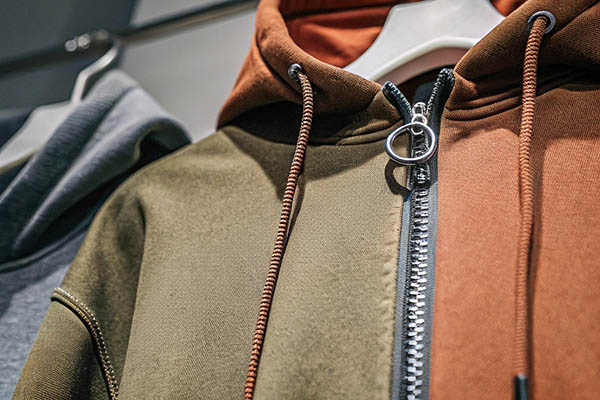
Zip-up hoodies go beyond the basic pullover style by adding a front zipper for convenience.
A zip-up hoodie is a hooded sweatshirt with a zipper closure running down the front, allowing the wearer to adjust ventilation or easily remove the garment.
Key features of a zip-up hoodie
- Front zipper: Allows easy on/off functionality.
- Hood with drawstrings: Adjustable for head coverage.
- Pockets: Usually two side or kangaroo-style pockets.
- Varied materials: Commonly cotton, polyester, or fleece blends.
Why are they so popular?
- Versatility: Wear it open like a jacket or closed like a hoodie.
- Layering: Perfect for layering over T-shirts and under jackets.
- Convenience: Easier to put on and remove compared to pullovers.
Fun fact: Zip-up hoodies gained popularity in the 1990s with streetwear brands embracing the practical yet stylish design.
What are the different types of zip-up hoodies?
Not all zip-up hoodies are the same. The zipper design, material, and intended use create distinct categories.
Zip-up hoodies can be categorized into full-zip, half-zip, and quarter-zip styles, each serving different purposes.
1. Full-zip hoodies
Full-zip hoodies feature a zipper that runs the entire length of the garment.
- Function: Maximum adjustability and convenience.
- Best for: Layering, casual wear, and outdoor activities.
Example: A fleece-lined full-zip hoodie is perfect for hiking in variable weather conditions.

2. Half-zip hoodies
Half-zip hoodies have a zipper that extends halfway down the chest.
- Function: Provides ventilation without the bulk of a full zipper.
- Best for: Athleisure and light outdoor wear.
Example: Runners often prefer half-zip hoodies for their balance of warmth and breathability.
3. Quarter-zip hoodies
Quarter-zip hoodies have shorter zippers, typically reaching the upper chest.
- Function: Primarily decorative but also adds ventilation.
- Best for: Fashion-forward casual wear.
Style comparison table
| Hoodie Type | Zipper Length | Best Use | Ventilation Control |
|---|---|---|---|
| Full-zip | Full length | Everyday wear, layering | Maximum |
| Half-zip | Halfway down | Activewear, running | Moderate |
| Quarter-zip | Chest-level | Casual or smart-casual looks | Minimal |
Key insight: Full-zip hoodies offer the most versatility, while half-zip and quarter-zip hoodies provide style variety.
Why choose a zip-up hoodie over a pullover?
Pullover hoodies are classic, but zip-ups have their own advantages.
Zip-up hoodies provide better temperature control, easier layering, and more versatile styling compared to pullovers.
Let’s compare the two styles.
1. Temperature control
- Zip-up: Unzip partially or fully for instant airflow.
- Pullover: Must be removed entirely for ventilation.
Example: In fluctuating spring weather, a zip-up hoodie allows you to adapt more easily.
2. Ease of wear
- Zip-up: Easily worn over hairstyles or glasses.
- Pullover: Requires pulling over the head, which can be inconvenient.
Tip: Zip-up hoodies are especially useful for people with mobility challenges.
3. Style flexibility
- Zip-up: Wear open for a laid-back vibe or zipped for a cleaner look.
- Pullover: Always maintains a uniform, casual look.
Zip-up vs. pullover summary
| Feature | Zip-Up Hoodie | Pullover Hoodie |
|---|---|---|
| Temperature Control | High | Low |
| Ease of Wear | Easy (front zipper) | Moderate (pull-over design) |
| Style Versatility | High (can be open or closed) | Moderate (one consistent look) |
| Layering Ability | Excellent | Good |
Conclusion: If flexibility and convenience are priorities, a zip-up hoodie is your best bet.

What materials are commonly used for zip-up hoodies?
Material choice affects hoodie performance, comfort, and durability.
Zip-up hoodies are commonly made from cotton, polyester, fleece, or cotton-poly blends, each offering unique advantages.
1. Cotton hoodies
- Characteristics: Soft, breathable, natural.
- Pros: Comfortable and hypoallergenic.
- Cons: Can shrink or fade if not pre-shrunk.
Best for: Everyday wear and mild weather.
2. Polyester hoodies
- Characteristics: Lightweight and moisture-wicking.
- Pros: Durable and wrinkle-resistant.
- Cons: Less breathable, can retain odors.
Best for: Sportswear and outdoor activities.
3. Fleece hoodies
- Characteristics: Soft with a brushed interior.
- Pros: Excellent insulation and comfort.
- Cons: Can pill if low-quality.
Best for: Cold weather and lounging.
4. Cotton-polyester blends
- Characteristics: Balanced performance.
- Pros: Combines cotton’s softness with polyester’s durability.
- Cons: May pill over time.
Best for: All-season wear and athletic apparel.
| Material | Softness | Durability | Breathability | Best Use |
|---|---|---|---|---|
| 100% Cotton | High | Medium | High | Casual, mild weather |
| 100% Polyester | Medium | High | Low | Sports, outdoor wear |
| Fleece (cotton/poly) | High | Medium | Moderate | Winter wear |
| Cotton-Poly Blend | High | High | Moderate | Year-round wear |
Tip: For a zip-up hoodie with all-day comfort, choose an 80/20 cotton-poly blend.
When should you choose a zip-up hoodie?
Not sure if a zip-up hoodie is the right fit for your wardrobe?
Choose a zip-up hoodie when you need flexible layering, temperature control, or a casual, sporty look.
Ideal scenarios for zip-up hoodies
-
Layering during transitional weather:
- Easily add or remove the hoodie based on temperature changes.
-
Post-workout warmth:
- Zip-up hoodies are perfect for cooling down after exercise.
-
Streetwear fashion:
- Wear open for a laid-back, contemporary style.
-
Outdoor activities:
- Zipping up protects against wind and light rain.
Example: A midweight cotton-poly zip-up hoodie is perfect for a spring hike when the temperature fluctuates throughout the day.
How can you identify a high-quality zip-up hoodie?
Not all zip-up hoodies are created equal. So, what sets the good ones apart?
High-quality zip-up hoodies have durable zippers, sturdy stitching, and dense fabric with a comfortable fit.
1. Zipper quality
- Material: Look for metal zippers like YKK.
- Smoothness: Should glide easily without catching.
- Reinforcement: The zipper area should have reinforced stitching.
2. Stitching and seams
- Check seam alignment: Seams should sit flat without puckering.
- Look for double stitching: Provides extra durability.
Test: Turn the hoodie inside out; high-quality hoodies have clean, even stitching throughout.
3. Fabric density (GSM)
Heavyweight fabrics last longer and retain shape better.
| GSM Range | Hoodie Type | Durability Level |
|---|---|---|
| 200–280 | Lightweight | Low |
| 280–350 | Midweight | Moderate |
| 350–450+ | Heavyweight | High |
Tip: For long-term wear, choose hoodies with a GSM of 300 or higher.
4. Functional features
- Hood construction: Double-layered hoods are warmer and more durable.
- Pockets: Reinforced pockets prevent sagging.
- Cuffs and hem: Ribbed cuffs and hems improve fit and warmth.
Conclusion
Hoodies with zippers are commonly called zip-up hoodies or full-zip hoodies. Available in various styles like full-zip, half-zip, and quarter-zip, these garments offer practical benefits such as adjustable ventilation, easy layering, and versatile styling. When choosing a zip-up hoodie, consider the material, zipper quality, and overall construction to ensure long-lasting comfort and functionality.