Skip to content
Ever tried on a hoodie and instantly noticed how thick and warm it felt? That’s the magic of a heavyweight hoodie. But if you’ve ever wondered what qualifies as "heavyweight" and what the average weight of such a hoodie is, you’re not alone.
The average weight of a heavyweight hoodie1 typically ranges from 10 to 14 oz (340 to 475 GSM). Hoodies in this range provide superior warmth, durability, and structure compared to lightweight or midweight options.
But what determines hoodie weight, and how does it affect performance? Let’s dive in.
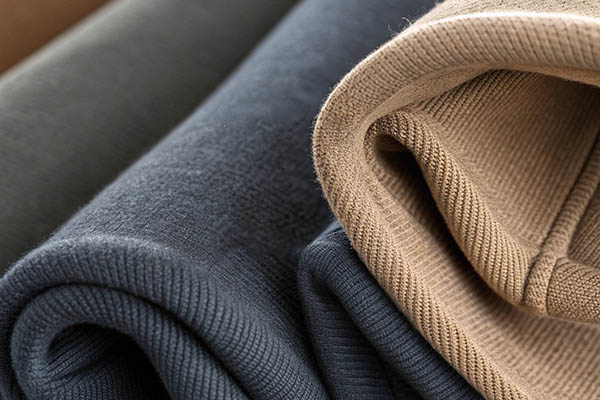
What does "weight" mean when referring to hoodies?
Hoodie weight doesn’t refer to the actual weight of the garment but the density of the fabric.
Hoodie weight is measured in ounces per square yard (oz/yd²) or grams per square meter (GSM). Higher weights mean thicker, more insulating fabrics.
Understanding fabric weight: oz vs. GSM
Different regions use different units for measuring fabric weight.
- Ounces per square yard (oz/yd²): Common in the United States.
- Grams per square meter (GSM): International standard.
Conversion formula:
1 oz/yd² ≈ 33.91 GSM
So, a 12 oz hoodie equals roughly 407 GSM—comfortably within the heavyweight category.
Hoodie weight categories explained
| Category | Ounces (oz) | GSM Equivalent | Characteristics |
|---|---|---|---|
| Lightweight | 6–8 oz | 200–270 GSM | Thin, breathable, great for layering. |
| Midweight | 8–10 oz | 270–340 GSM | Balanced warmth and flexibility. |
| Heavyweight | 10–14 oz | 340–475 GSM | Thick, warm, and highly durable. |
Key takeaway: A hoodie labeled 10 oz or 350 GSM and above is generally considered heavyweight.
What is the average weight of a heavyweight hoodie?
So, where does the "average" heavyweight hoodie land on the scale?
The average weight of a heavyweight hoodie falls between 10 and 12 oz (340 to 407 GSM). Hoodies heavier than 12 oz offer maximum warmth but may feel bulky for casual wear.
Why this range is considered "average"
- Optimal warmth: 10–12 oz hoodies retain heat effectively without feeling restrictive.
- Practical versatility: Heavier than midweight options but still comfortable for daily wear.
- Fabric availability: Most manufacturers produce hoodies within this weight range to balance cost, performance, and wearability.
Example:
A 12 oz (407 GSM) hoodie is commonly used in premium streetwear brands due to its warmth and structured appearance.

How does fabric composition affect hoodie weight?
Not all heavyweight hoodies weigh the same—even if they share similar GSM ratings. The fabric blend plays a crucial role.
The fabric composition, whether cotton, polyester, or a blend, influences weight, texture, and performance.
Common materials used in heavyweight hoodies
| Material | Typical Weight (GSM) | Key Characteristics |
|---|---|---|
| 100% Cotton | 350–450 GSM | Soft, breathable, heavier than synthetics. |
| Cotton-Poly Blend | 300–400 GSM | Balanced weight, durable, less prone to shrinkage. |
| Polyester Fleece | 280–350 GSM | Lighter than cotton but warmer due to insulation. |
| Wool Blend | 400+ GSM | Very heavy and warm, often used in winter apparel. |
Material characteristics explained
- Cotton: Feels naturally heavier due to dense fibers.
- Polyester: Lighter but retains warmth effectively.
- Blends: Offer a middle ground with balanced weight and durability.
Example:
A 12 oz cotton hoodie will feel denser than a 12 oz polyester hoodie due to cotton’s higher fiber density.
Why does GSM matter more than actual weight?
You might see hoodies advertised by total garment weight (e.g., 800g) or fabric weight (e.g., 350 GSM). Which one matters more?
GSM is more reliable for comparing hoodie thickness2 because it measures fabric density regardless of size or cut. Actual weight varies based on garment size and design.
GSM vs. total weight
| Measurement | Definition | Practical Relevance |
|---|---|---|
| GSM | Grams per square meter of fabric. | Indicates thickness, warmth, and durability. |
| Total Weight | Total garment weight in grams or ounces. | Varies with size and features like zippers or pockets. |
Example:
- A small hoodie made of 400 GSM fabric might weigh 800g.
- An XL hoodie of the same material might weigh 1,200g.

Why GSM matters more
- Consistent comparison: GSM helps compare fabric thickness across brands.
- Performance prediction: Higher GSM generally means better insulation.
- Sizing clarity: Total weight varies with hoodie size, while GSM remains consistent.
Tip: When comparing hoodies, prioritize GSM if warmth and durability are your main concerns.
How does construction style influence hoodie weight?
Fabric weight isn’t the only factor—how the hoodie is constructed also affects its overall heft.
Heavyweight hoodies often use tighter knit patterns, thicker seams, and reinforced components like hoods and pockets.
Construction elements that add weight
| Feature | Weight Impact | Explanation |
|---|---|---|
| Double-Layered Hood | High | Extra fabric layers add significant weight. |
| Brushed Interior | Medium | Fleece-like finish increases thickness. |
| Reinforced Seams | Low | Extra stitching adds minimal but notable weight. |
Popular knit types for heavyweight hoodies
- French Terry (350–400 GSM): Smooth exterior with looped interior; breathable yet thick.
- Brushed Fleece (400–450 GSM): Plush interior enhances warmth and weight.
- Double-Knit Cotton (450+ GSM): Two layers of interlocked fabric, providing maximum heft.
Example:
A brushed fleece hoodie at 400 GSM feels heavier and warmer than a similarly weighted French terry hoodie due to the thicker inner texture.
Why are heavyweight hoodies popular despite their weight?
Heavyweight hoodies aren’t just about warmth—they offer unique benefits that keep them in high demand.
Heavyweight hoodies provide superior warmth, durability, and a premium feel, making them ideal for colder weather and streetwear.
1. Better warmth and insulation
Thicker fabrics trap body heat more effectively, making heavyweight hoodies perfect for winter.
- Brushed fleece interiors create micro air pockets that insulate against cold air.
- Dense cotton knits retain warmth without relying on synthetic materials.
Tip: For winter use, choose hoodies with GSM ratings of 400 or higher.
2. Improved durability and longevity
Heavier fabrics withstand wear and tear better than lightweight alternatives.
- Workwear hoodies often use heavyweight cotton for added resilience.
- Streetwear brands favor heavyweight hoodies for their structured look and long-lasting quality.
Example:
A 12 oz cotton-poly blend hoodie can last twice as long as a lightweight 6 oz alternative.
3. Premium appearance and structure
Heavyweight hoodies maintain their shape better over time.
- Lighter hoodies: Stretch and sag after repeated washes.
- Heavyweight hoodies: Keep their form due to thicker, more elastic fibers.
Fashion insight:
Streetwear brands like Supreme and Carhartt use heavyweight hoodies to create a structured, high-quality appearance.
4. Versatility for layering
Heavy hoodies work well alone or layered under jackets.
- Spring/fall: Wear solo for warmth without bulk.
- Winter: Use as a mid-layer under insulated jackets.
Pro tip: Look for heavyweight hoodies with ribbed cuffs and adjustable hoods for better heat retention.
How can you choose the right heavyweight hoodie?
Choosing the right heavyweight hoodie involves more than just checking the label.
To choose the right heavyweight hoodie, consider GSM, material composition, construction quality, and your specific use case.
Step-by-step selection guide
-
Check the GSM:
- Go for 350–400 GSM for everyday use.
- Choose 400+ GSM for cold climates or outdoor work.
-
Evaluate the material:
- 100% cotton: Soft and breathable.
- Cotton-poly blend: Balanced durability and comfort.
- Fleece-lined: Maximum warmth for winter.
-
Inspect the stitching:
- Look for double-stitched seams and reinforced cuffs.
-
Assess the design:
- Double-layered hoods add weight but improve warmth.
- Kangaroo pockets should be reinforced to prevent sagging.
Quick checklist for heavyweight hoodies
- ✅ GSM rating of 350 or higher.
- ✅ Brushed fleece or tight-knit fabric.
- ✅ Reinforced stitching and seams.
- ✅ High-quality, breathable material.
Tip: Avoid hoodies labeled "heavyweight" without a listed GSM—they may use thicker thread but lower-density fabric.