Skip to content
Have you ever been surprised by the price of an embroidered hoodie or hat? Embroidery often costs more than printed designs, leaving many people wondering why. What makes this decoration method so expensive compared to other options?
Embroidery is expensive due to labor-intensive processes1, specialized equipment, high-quality materials2, and the time required for precise stitching. The cost increases with design complexity, stitch count, and production volume.
Let’s dive into the reasons behind embroidery’s high cost and why it remains a popular choice despite the price.
What makes embroidery more expensive than other customization methods?
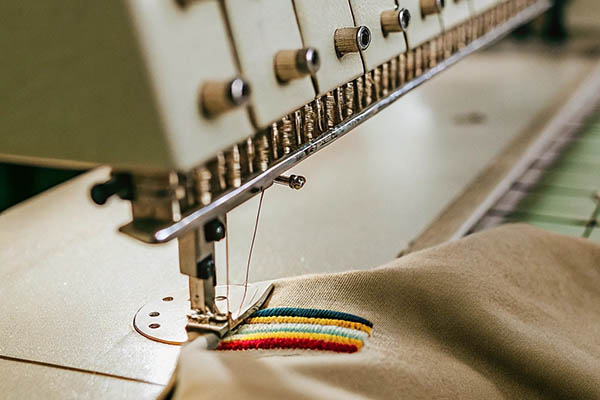
Embroidery isn’t just about stitching thread into fabric. It’s a meticulous process involving preparation, precision, and durable materials.
Embroidery costs more than printing because of its multi-step process, labor requirements, and the durability of embroidered designs.
Step-by-step embroidery process
Understanding the embroidery process helps explain the cost.
-
Design Digitization
- The design is converted into a digital file that embroidery machines can read.
- Cost: \$30–\$100 per design, depending on complexity.
-
Machine Setup
- Threads, needles, and fabric must be correctly positioned.
- Time: 20–60 minutes per design, especially for multi-color logos.
-
Stitching
- Machines stitch the design with thousands of individual stitches.
- Complexity impact: More stitches = longer production time = higher cost.
-
Finishing
- Excess threads are trimmed, and the garment is inspected for quality.
Why this process adds costs
Unlike printing, where designs are applied in one go, embroidery requires thread-by-thread precision. Each color change demands machine adjustments, slowing production and increasing costs.
Example:
- A simple logo with 5,000 stitches might cost \$4.
- A detailed design with 20,000 stitches could cost \$10 or more.
How does stitch count affect embroidery pricing?
Ever noticed embroidery costs rising with more detailed designs? Stitch count is the main reason.
Stitch count directly affects embroidery cost. Larger, more intricate designs require more stitches, increasing thread usage, machine time, and labor costs.
Let’s break it down.

How stitch count impacts cost
| Design Type | Approx. Stitch Count | Average Cost |
|---|---|---|
| Simple text logo | 5,000 stitches | \$3–\$5 |
| Detailed logo with shading | 10,000 stitches | \$6–\$8 |
| Intricate crest or emblem | 20,000+ stitches | \$10–\$15 |
Why more stitches cost more:
- Thread usage: More thread consumption increases material costs.
- Machine time: Stitching 20,000 stitches takes 4x longer than 5,000 stitches.
- Wear and tear: Longer runs mean more machine maintenance.
Cost-saving tip: Simplify complex designs to reduce stitch count3 and cost.
Why does the type of thread impact embroidery pricing?
Not all threads are created equal. The type, quality, and color of thread significantly affect embroidery costs.
Embroidery costs more when using premium threads like rayon, polyester, or metallics. Specialty threads cost more due to material composition, dyeing processes, and performance characteristics.
Common thread types and their costs
| Thread Type | Cost Range (per spool) | Key Characteristics |
|---|---|---|
| Polyester | \$5–\$10 | Durable, colorfast, affordable |
| Rayon | \$6–\$12 | Shiny, soft, less durable |
| Cotton | \$4–\$8 | Natural look, may fade over time |
| Metallic | \$15–\$30 | Decorative, harder to work with |
| Glow-in-the-dark | \$20–\$40 | Specialty use, limited availability |
Why specialty threads cost more
- Material composition: Metallic and glow-in-the-dark threads contain specialized materials.
- Production complexity: Metallic threads often snap, slowing production.
- Limited demand: Specialty threads are produced in smaller quantities, increasing per-unit costs.
Example: A hoodie embroidered with standard polyester thread might cost \$5, while switching to metallic thread could push the cost to \$10 due to the increased machine time and thread cost.
How does fabric type influence embroidery costs?
The garment’s material can complicate embroidery, adding to labor time and material requirements.
Embroidery costs more on delicate, stretchy, or thick fabrics due to the need for stabilizers, specialized needles, and slower stitching speeds.
Fabric types and embroidery challenges
| Fabric | Embroidery Difficulty | Cost Impact |
|---|---|---|
| Cotton | Easy | Low |
| Polyester | Moderate | Moderate (needs stabilizers) |
| Fleece | High | Higher (thick, soft surface) |
| Stretch fabrics | Very high | Highest (prone to puckering) |
Why fabric affects costs:
- Stretchy fabrics require stabilizers to prevent distortion.
- Thick materials like fleece need stronger needles and slower stitching speeds.
- Slippery fabrics like nylon may cause thread tension issues, increasing labor time.
Tip: Opt for midweight cotton or cotton-poly blends if you’re looking for high-quality embroidery with minimal added costs.
How do order quantity and production scale impact embroidery pricing?
Like most manufacturing processes, embroidery benefits from economies of scale.
Larger embroidery orders reduce per-unit costs because setup fees and digitizing costs are spread across more pieces.
How order size affects pricing
| Order Quantity | Cost per Unit (simple logo) | Cost per Unit (complex design) |
|---|---|---|
| 1–10 | \$6–\$10 | \$10–\$15 |
| 11–50 | \$5–\$7 | \$8–\$12 |
| 51–100 | \$4–\$6 | \$7–\$10 |
| 100+ | \$3–\$5 | \$6–\$9 |
Why costs decrease with higher quantities
- Setup costs: Digitizing and machine setup costs are fixed; higher volumes distribute these costs across more units.
- Thread and labor efficiency: Machines run more efficiently when processing larger batches.
- Supplier discounts: Bulk orders often qualify for thread and material discounts.
Example: A single hoodie with a 10,000-stitch logo might cost \$12, but ordering 100 hoodies might drop the unit cost to \$7.
Pro tip: If you plan multiple orders of the same design, ask suppliers to reuse the digitized file to avoid repeat fees.
Why does embroidery require more labor and expertise than printing?
Printing designs can be automated quickly, but embroidery demands skilled craftsmanship.
Embroidery costs more due to the skilled labor needed for design digitization, machine setup, and quality control.
Labor-intensive steps in embroidery
- Digitizing the design:
- Must convert image files (e.g., PNG) into stitch-friendly formats.
- Machine calibration:
- Threads, needles, and tension require manual adjustment for each new material.
- Thread management:
- Color changes require stops and re-threading.
- Post-production inspection:
- Loose threads and stitch consistency must be checked.
Printing vs. embroidery labor comparison
| Task | Printing | Embroidery |
|---|---|---|
| Design prep | Minimal for DTG | Complex digitizing required |
| Machine setup | Quick for screen printing | Manual adjustments needed |
| Production time | Fast for bulk orders | Slower, stitch-by-stitch work |
| Finishing | Simple curing process | Thread trimming, inspections |
Bottom line: Skilled embroidery labor adds cost but ensures long-lasting, high-quality designs.
Is embroidery worth the higher cost?
Given the higher price, is embroidery a good investment?
Yes, embroidery is worth the cost when durability, professionalism, and texture are important. While printing is cheaper for detailed, colorful designs, embroidery offers a more premium and long-lasting appearance.
When embroidery is the better choice
- Corporate branding: Uniforms with embroidered logos convey professionalism.
- Merchandise: High-end apparel often uses embroidery for small logos.
- Gifts and keepsakes: Embroidered items feel more personal and timeless.
When printing might be better
- Promotional giveaways: Low-cost items benefit from printing.
- Artistic designs: Intricate graphics look better with DTG printing.
- Large surface areas: Printing costs less for large, colorful images.
Pro tip: Combine both methods—use embroidery for logos and printing for larger designs on the same garment.
-
Understanding the labor-intensive processes can help you appreciate the craftsmanship behind embroidery, making it worth the investment. ↩
-
Exploring the high-quality materials used in embroidery can enhance your knowledge of its durability and value, justifying the cost. ↩
-
Learning about stitch count’s impact on cost can help you make informed decisions when choosing embroidery designs, optimizing your budget. ↩