Skip to content
Ever bought a hoodie that felt perfect at first but lost its shape, faded, or pilled after just a few washes? It’s frustrating, especially when you thought you were paying for quality. So, how can you avoid that disappointment next time?
You can tell if a hoodie is high quality by checking the fabric composition, stitching, construction, and finishing details. Premium hoodies often use high-GSM cotton1, reinforced seams, and smooth, even stitching.
But there’s more to hoodie quality than meets the eye. Let’s break down the key indicators and show you exactly what to look for.
What fabric makes a hoodie high quality?
Fabric is the foundation of hoodie quality. The wrong material can feel uncomfortable and wear out quickly, while the right one lasts for years.
High-quality hoodies are typically made from 100% cotton, cotton-polyester blends, or fleece with a GSM of 280 or higher. Natural fibers offer breathability, while blends add durability and stretch.
Let’s look at some popular fabric choices.
Common materials for quality hoodies
| Fabric Type | Key Features | Quality Indicators |
|---|---|---|
| 100% Cotton | Soft, breathable, comfortable | High GSM, combed or ring-spun for smoothness |
| Cotton-Poly Blend | Durable, less prone to shrinkage | Balanced ratio (e.g., 80/20), smooth texture |
| Fleece (cotton or poly) | Warm, insulating, soft | Brushed interior, even texture |
| Recycled or organic cotton | Eco-friendly, breathable | Certified materials, no chemical odors |
GSM and its importance in hoodie quality
GSM, or Grams per Square Meter, indicates fabric weight and density. High-quality hoodies often have a GSM between 280 and 400.
- 200–250 GSM: Lightweight, suitable for layering.
- 280–350 GSM: Midweight, versatile for most seasons.
- 350–400+ GSM: Heavyweight, warm, and durable.
A 300–350 GSM cotton hoodie is a solid, high-quality option for everyday wear.
Fabric feel test
- Softness: Premium cotton feels smooth and soft, not rough.
- Stretch test: Stretch a small section—high-quality fabric returns to its shape.
- Transparency: Hold the fabric against light—thin, see-through fabric is usually lower quality.
How does stitching indicate hoodie quality?
Stitching might seem like a minor detail, but it can make or break a hoodie’s durability.
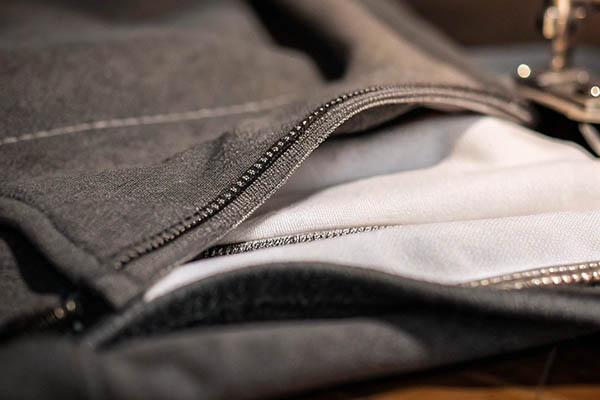
High-quality hoodies have tight, even stitching with reinforced seams. Look for double stitching2 along the shoulders, cuffs, and waistband to prevent fraying and tearing.
Let’s go deeper into what to look for.
Key stitching details to check
| Stitching Type | Function | What to Look For |
|---|---|---|
| Double stitching | Strength and durability | Parallel lines of stitching with no loose threads |
| Flatlock seams | Comfort and flexibility | Seam lays flat against the skin, preventing irritation |
| Overlock stitching | Edge reinforcement | Clean, even stitches along fabric edges |

Simple tests for stitch quality
- Pull test: Gently pull along the seam—quality stitching won’t stretch or separate.
- Thread check: Check if the thread matches the fabric color and texture.
- Inside inspection: Turn the hoodie inside out; the stitching should look just as neat as the outside.
High-quality stitching ensures the hoodie maintains its shape even after multiple washes.
Why does the hoodie’s construction matter?
Construction goes beyond stitching—it’s about how well the hoodie is put together as a whole.
A well-constructed hoodie will have aligned seams, symmetrical patterns, and reinforced stress points. Poorly constructed hoodies often twist or shrink unevenly after washing.
Here’s what to examine.
Structural indicators of quality
- Seam alignment: Seams should align evenly when laid flat. Misaligned seams indicate poor craftsmanship.
- Shoulder reinforcement: Hoodies with shoulder tape last longer and resist stretching.
- Pocket construction: Kangaroo or side pockets should lie flat and have reinforced stitching at openings.
Hoodie symmetry test
Lay the hoodie flat and fold it down the center. Both sides should mirror each other perfectly. If they don’t, it’s a sign of imprecise manufacturing.
Key construction elements to check
| Element | What to Look For |
|---|---|
| Hood | Double-layered with even stitching. |
| Cuffs & waistband | Ribbed with strong elastic recovery. |
| Zipper (if any) | YKK or other high-quality brands; smooth movement. |
A well-constructed hoodie feels structured, fits properly, and doesn’t lose its shape.
How can the finishing touches reveal hoodie quality?
The devil is in the details. Finishing touches often separate premium hoodies from their cheaper counterparts.
High-quality hoodies feature clean hems, sturdy drawstrings, and high-quality hardware like metal eyelets and zippers.
Let’s go deeper.
Finishing elements to inspect
- Drawstrings: Should be thick, with sealed or metal aglets.
- Eyelets: Metal or reinforced fabric eyelets last longer.
- Zippers: High-quality hoodies use branded zippers like YKK.
- Logos and prints: Embroidered logos last longer than printed designs, which may crack or fade.

The "touch and tug" test
- Feel the surface: A quality finish feels smooth and consistent.
- Tug the drawstrings: They should feel firmly attached without any looseness.
- Check the interior: No hanging threads or uneven fabric edges.
These small details often reveal how much care went into the hoodie’s production.
How does the fit and cut impact hoodie quality?
A hoodie can have great fabric and stitching but still feel off if it doesn’t fit well.
High-quality hoodies maintain a consistent fit, with well-proportioned sleeves, torso, and hood. The cut should allow for comfortable movement without excessive bagginess or tightness.
Let’s break it down.
Fit indicators of a high-quality hoodie
- Shoulders: Seams should sit at the edge of your shoulders.
- Torso: Fabric should drape naturally, without pulling or sagging.
- Sleeves: Shouldn’t twist or bunch when arms are extended.
How different cuts affect hoodie performance
| Cut Type | Fit Characteristics | Best For |
|---|---|---|
| Classic fit | Relaxed, comfortable | Everyday wear |
| Slim fit | Tailored, close to body | Modern, casual looks |
| Oversized fit | Loose, roomy | Streetwear, layering |
A well-cut hoodie enhances comfort and style while maintaining its shape over time.
How can washing and care labels reflect quality?
Care labels might seem insignificant, but they reveal important details about a hoodie’s durability.
High-quality hoodies have clear, well-stitched care labels3 indicating proper washing instructions. Labels also list fabric composition and often include certification marks for organic or recycled materials.
Let’s analyze what to look for.
Key information on quality care labels
- Fabric composition: 100% cotton or a balanced cotton-poly blend.
- Washing instructions: Clear guidelines help maintain fabric integrity.
- Certifications: Look for OEKO-TEX, GOTS, or other quality certifications.
Misleading label tactics to avoid
- "Made with cotton": Often indicates a low percentage of cotton.
- Vague fiber descriptions: Phrases like "natural fibers" without specifics can be misleading.
- Poorly attached labels: Loose labels often suggest low production standards.
A hoodie with detailed, accurate care instructions is usually built to last.
Why do price and brand reputation matter?
Is a more expensive hoodie always better? Not necessarily—but price and brand reputation often correlate with quality.
Reputable brands invest in premium materials, better stitching, and rigorous quality control. Cheaper hoodies often cut corners on these elements to reduce costs.
Let’s examine this connection.
How price reflects quality
| Price Range | Typical Quality |
|---|---|
| Under $30 | Low-quality materials and stitching. |
| $30–$60 | Mid-tier; decent but may sacrifice details. |
| $60+ | Premium materials, better craftsmanship. |
Brand credibility indicators
- Transparent sourcing: Ethical, high-quality brands disclose material sources.
- Positive reviews: Look for consistent feedback on durability and comfort.
- Warranty or return policies: Confidence in product longevity often includes strong guarantees.
While a high price tag isn’t a guarantee of quality, it often reflects the investment made into materials and craftsmanship.
Conclusion
Determining hoodie quality requires more than a quick glance. Check the fabric composition, GSM, stitching, construction, and finishing touches to identify high-quality pieces. A well-made hoodie won’t just look good—it will also feel comfortable, maintain its shape, and last for years with proper care. So next time you shop for a hoodie, use these tips to make an informed decision.
-
Understanding high-GSM cotton can help you choose durable and comfortable hoodies that last longer. ↩
-
Exploring the benefits of double stitching can enhance your knowledge of durable clothing construction. ↩
-
Learning about care labels can guide you in selecting garments that are built to last and easy to maintain. ↩