Skip to content
A good waterproof dog coat protects pets from rain, snow, and wind while keeping them comfortable. But choosing the right fabric is key—some materials repel water better than others, while others offer breathability and flexibility.
The best waterproof fabrics for dog coats include polyester with a waterproof coating1, nylon2, TPU-laminated fabric3, and softshell materials4. These fabrics provide water resistance while ensuring durability and comfort.
Let’s explore the different waterproof fabrics and how to choose the right one for a functional and stylish dog coat.
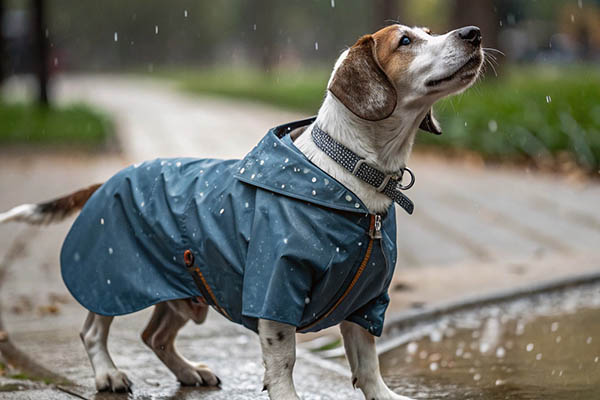
What are the best waterproof fabrics for a dog coat?
Waterproof fabrics must repel moisture while allowing breathability and comfort.
Polyester, nylon, TPU-laminated fabric, and softshell materials are among the best waterproof options for making durable and functional dog coats.
1. Polyester with Waterproof Coating
Polyester is widely used in waterproof dog coats due to its affordability and durability.
- Pros: Lightweight, quick-drying, cost-effective
- Cons: Can feel stiff without a soft lining
- Best for: Everyday raincoats, budget-friendly options
2. Nylon
Nylon is stronger and more durable than polyester, making it ideal for heavy-duty waterproof dog coats.
- Pros: High water resistance, windproof, abrasion-resistant
- Cons: Less breathable, may require ventilation
- Best for: Outdoor adventure jackets, winter wear
3. TPU-Laminated Fabric
TPU (Thermoplastic Polyurethane) is a flexible, waterproof material commonly used in high-performance rainwear.
- Pros: 100% waterproof, flexible, lightweight
- Cons: Can be more expensive
- Best for: High-end waterproof dog coats, sportswear
4. Softshell Fabric
Softshell materials combine waterproof properties with breathability, making them a great choice for active dogs.
- Pros: Comfortable, water-resistant, windproof
- Cons: Not fully waterproof in heavy rain
- Best for: Hiking dog coats, light rain jackets
What is the difference between waterproof and water-resistant dog coat fabrics?
Many fabrics claim to repel water, but there’s a big difference between waterproof and water-resistant materials.
Waterproof fabrics prevent water from penetrating, while water-resistant fabrics only repel light rain. Choosing the right one depends on the dog’s activity level and weather conditions.
1. Waterproof Fabrics
- Fully prevents water from soaking through.
- Ideal for heavy rain, snow, and wet conditions.
- Includes materials like TPU-laminated fabric and coated polyester.
2. Water-Resistant Fabrics
- Repels light rain but can become soaked in heavy downpours.
- More breathable than waterproof fabrics.
- Includes materials like softshell fabric and some nylon blends.
| Feature | Waterproof Fabric | Water-Resistant Fabric |
|---|---|---|
| Rain Protection | 100% protection | Light rain only |
| Breathability | Moderate | High |
| Best For | Heavy rain, wet conditions | Mild weather, light showers |
What additional features improve waterproof dog coats?
A fabric alone isn’t enough to make a fully waterproof dog coat—certain features enhance its effectiveness.
Sealed seams, adjustable closures, and inner linings improve the performance of waterproof dog coats, ensuring maximum protection and comfort.
1. Sealed and Taped Seams
Water can seep in through stitching, so fully sealed or taped seams enhance water resistance.
2. Adjustable Closures
Velcro, zippers, or drawstrings help keep the coat snug and prevent water from getting inside.
3. Inner Lining for Comfort
Soft fleece or mesh linings improve warmth and comfort without compromising waterproofing.
| Feature | Benefit |
|---|---|
| Sealed Seams | Prevents water leaks |
| Adjustable Fit | Ensures a snug fit in rain or wind |
| Fleece Lining | Provides warmth for colder climates |
| Reflective Strips | Enhances visibility for night walks |
How can you test if a fabric is waterproof?
Before using fabric for a waterproof dog coat, testing its effectiveness is important.
The "water bead test" and "soak test" are two simple methods to check if a fabric is truly waterproof or just water-resistant.
1. Water Bead Test
- Pour a few drops of water onto the fabric.
- If water beads up and rolls off, it’s waterproof.
- If it absorbs, it’s only water-resistant.
2. Soak Test
- Place a dry paper towel under the fabric.
- Pour water on top and wait for a few minutes.
- If the towel stays dry, the fabric is waterproof.
What is the best waterproof fabric for different types of dog coats?
Different types of dog coats require different waterproof materials based on their function.
For everyday raincoats, lightweight polyester is ideal. For heavy-duty outdoor coats, nylon or TPU-laminated fabric offers maximum protection.
| Type of Dog Coat | Best Waterproof Fabric | Reason |
|---|---|---|
| Lightweight Raincoat | Coated Polyester | Lightweight and affordable |
| Heavy-Duty Jacket | Nylon | Durable and windproof |
| Outdoor Adventure Coat | TPU-Laminated Fabric | Fully waterproof and flexible |
| Winter Coat with Insulation | Softshell Fabric | Water-resistant and warm |
How do businesses choose the right waterproof fabric for dog coats?
Manufacturers must balance cost, durability, and breathability when selecting waterproof fabrics.
Balancing affordability and performance is key. While TPU and nylon are fully waterproof, polyester blends offer a good compromise for budget-friendly options.
1. Cost vs. Performance
| Fabric Type | Cost per Yard | Waterproof Rating |
|---|---|---|
| Coated Polyester | $4 – $8 | Moderate |
| Nylon | $6 – $12 | High |
| TPU-Laminated Fabric | $10 – $20 | Very High |
| Softshell | $8 – $15 | Water-Resistant |
2. Target Market Consideration
- Budget-friendly brands: Coated polyester for affordability.
- Luxury brands: TPU-laminated fabrics for high-end performance.
- Outdoor brands: Nylon for durability in extreme weather.
What are the future trends in waterproof dog coat fabrics?
The pet apparel industry is evolving, with new waterproof fabric innovations emerging.
Sustainable waterproof fabrics, eco-friendly waterproof coatings5, and smart materials are shaping the future of dog coat design.
1. Eco-Friendly Waterproof Fabrics
More brands are turning to recycled polyester and biodegradable waterproof coatings to reduce environmental impact.
2. Smart Waterproof Fabrics
Technological advancements include self-cleaning fabrics and temperature-regulating materials that adapt to weather conditions.
3. Lightweight, Breathable Waterproof Materials
Future designs focus on ultra-light waterproof fabrics that maintain full breathability for active dogs.
Conclusion
The best waterproof fabrics for dog coats include polyester with waterproof coatings, nylon, TPU-laminated fabric, and softshell materials. Each fabric serves different needs, from lightweight raincoats to heavy-duty outdoor jackets. By considering breathability, durability, and cost, businesses can choose the right fabric to create high-quality waterproof dog coats. Brands are also looking to the future with eco-friendly waterproof options to reduce environmental impact.
-
Shows how polyester coatings improve waterproof performance while keeping dog coats affordable. ↩
-
Highlights nylon’s toughness, making it perfect for rugged outdoor dog coats. ↩
-
Demonstrates why TPU-laminated materials excel in full waterproof protection and flexibility. ↩
-
Explores softshell’s balance of water resistance and breathability for active dogs. ↩
-
Explains emerging sustainable options for waterproof fabrics in dog coats. ↩