Skip to content
Hoodies are one of the most popular apparel items worldwide, worn for comfort, style, and functionality. But where are most hoodies actually made?
Most hoodies are manufactured in China1, Bangladesh, Vietnam, and India. These countries dominate hoodie production due to their large textile industries, low labor costs, and efficient supply chains. China leads in production volume, while Bangladesh and Vietnam offer cost-effective alternatives.
Let’s explore where hoodies are made, why certain countries dominate production, and how businesses choose their sourcing locations.
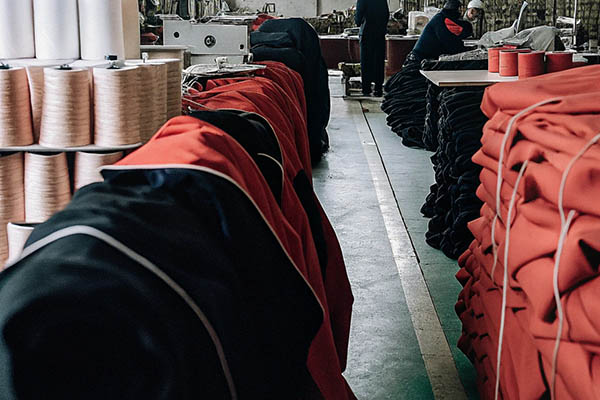
Which countries produce the most hoodies?
The majority of hoodie production is concentrated in Asia due to cost-effective labor and established textile industries.
China, Bangladesh, Vietnam, and India are the top hoodie manufacturing countries, with additional production in Turkey, Pakistan, and Central America.
1. China – The Largest Hoodie Manufacturer
China leads global hoodie production with a well-developed textile industry.
- Pros: Advanced manufacturing, high efficiency, large-scale production.
- Cons: Rising labor costs, potential trade restrictions.
- Best for: Large-scale brands, custom orders, premium hoodies.
2. Bangladesh – Cost-Effective Manufacturing
Bangladesh is a major supplier of affordable hoodies for global markets.
- Pros: Lower labor costs, strong export network.
- Cons: Quality control varies, limited advanced manufacturing.
- Best for: Budget-friendly hoodies, fast fashion brands.
3. Vietnam – High-Quality Production
Vietnam has grown as a reliable hoodie manufacturing hub, offering good quality at competitive prices.
- Pros: Skilled labor, stable production environment.
- Cons: Higher costs than Bangladesh, smaller factories.
- Best for: Mid-range to premium hoodies.
4. India – A Growing Apparel Industry
India produces hoodies with a focus on cotton and sustainable fabrics.
- Pros: Access to organic materials, growing manufacturing capabilities.
- Cons: Longer production times, supply chain challenges.
- Best for: Eco-friendly brands, cotton-based hoodies.
Why are most hoodies made in Asia?
Asia dominates global hoodie production due to cost efficiency, infrastructure, and expertise.
Lower labor costs, access to raw materials, and established supply chains make Asian countries the preferred choice for hoodie manufacturing.

1. Cost-Effective Labor
Labor costs in Asia are significantly lower than in Western countries, reducing production costs.
| Country | Average Labor Cost per Hour |
|---|---|
| China | $5 – $7 |
| Bangladesh | $2 – $4 |
| Vietnam | $3 – $6 |
| India | $3 – $5 |
| USA | $15 – $25 |
2. Strong Textile Industry
Countries like China and India have well-established textile industries, making fabric sourcing easier.
3. Efficient Supply Chains
Asian manufacturers have optimized logistics, allowing for faster production and global shipping.
Are hoodies made in the USA or Europe?
While most hoodies come from Asia, some brands manufacture in the USA2 and Europe for quality and ethical reasons.
Hoodies made in the USA or Europe cost more due to higher labor and production expenses, but they appeal to consumers seeking premium, ethically made products.
1. Hoodie Production in the USA
- Pros: High-quality craftsmanship, ethical labor standards.
- Cons: High costs, smaller production volume.
- Best for: Luxury brands, custom apparel, made-in-USA products.
2. Hoodie Production in Europe
- Pros: Strong quality control, eco-friendly options.
- Cons: Expensive, longer lead times.
- Best for: Sustainable brands, high-end fashion.

| Region | Cost per Hoodie | Production Speed | Quality |
|---|---|---|---|
| China | $8 – $20 | Fast | High |
| Bangladesh | $5 – $15 | Fast | Moderate |
| USA | $30 – $60 | Slower | Very High |
| Europe | $35 – $70 | Moderate | Very High |
How do businesses choose where to manufacture hoodies?
Brands choose manufacturing locations based on cost, quality, sustainability, and trade regulations.
Businesses must balance affordability, ethical sourcing, and production efficiency when selecting a manufacturing country.
1. Cost vs. Quality
- Low-cost production: Bangladesh, Pakistan, India.
- Mid-range quality: Vietnam, Turkey.
- High-end quality: USA, Europe.
2. Ethical and Sustainable Manufacturing
Consumers increasingly demand ethically made and eco-friendly apparel.
- Best eco-friendly options: India, Turkey, USA, Europe.
- Sustainable production locations3 often focus on fair wages and reduced environmental impact.
3. Trade Agreements and Tariffs
Brands must consider import/export regulations when choosing suppliers.
| Country | Tariff Considerations |
|---|---|
| China | Subject to US tariffs |
| Bangladesh | Duty-free in many regions |
| Vietnam | Lower trade barriers in EU & US |
What is the future of hoodie manufacturing?
The hoodie manufacturing industry is evolving with new trends in sustainability, automation, and regional diversification.
Eco-friendly materials, automation4, and a shift towards nearshoring will shape the future of hoodie production.
1. Sustainability in Manufacturing
More brands are investing in:
- Recycled fabrics (polyester from plastic bottles).
- Organic cotton for eco-conscious consumers.
- Water-saving dyeing techniques to reduce environmental impact.
2. Automation and Smart Factories
Advances in AI-driven production and robotic sewing will improve efficiency and reduce dependency on cheap labor.
3. Nearshoring and Regional Expansion
Brands are exploring production in Mexico, Central America, and Africa to reduce shipping times and costs.
| Region | Emerging Trend |
|---|---|
| Latin America | Nearshoring for US brands |
| Africa | New investment in textile manufacturing |
| Eastern Europe | Growing production for EU brands |
Conclusion
Most hoodies are made in China, Bangladesh, Vietnam, and India due to their cost-effective labor and well-established textile industries. While the USA2 and Europe also produce hoodies, they cater to premium and ethical markets. The future of hoodie manufacturing is shifting towards sustainability, automation, and regional diversification, shaping the industry for years to come.