Skip to content
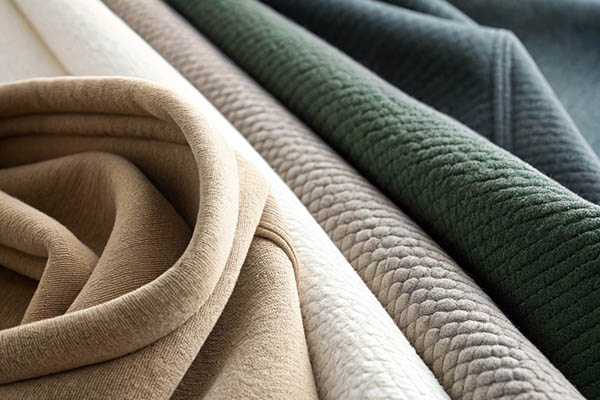
Hoodies are one of the most popular pieces of casual wear, offering warmth, comfort, and style. But what makes a hoodie soft, durable, or breathable? The answer lies in the fabric.
The most common fabrics for hoodies are cotton1, polyester2, fleece, and cotton-poly blends. Cotton provides softness and breathability, polyester adds durability and moisture resistance, and fleece offers extra warmth. Specialty fabrics like bamboo3 and French terry are also popular for premium hoodies.
Let’s break down the different fabrics used in hoodie manufacturing and how they affect comfort, durability, and function.
What are the most common fabrics used for hoodies?
Hoodie fabrics vary based on softness, warmth, and performance.
Cotton, polyester, fleece, and blended fabrics are the most common materials used in hoodie production. Each fabric offers unique benefits in terms of texture, durability, and suitability for different weather conditions.
1. Cotton – Soft and Breathable
Cotton is widely used in hoodies because of its natural softness and comfort.
- Pros: Soft, breathable, hypoallergenic.
- Cons: Shrinks easily, absorbs moisture.
- Best for: Lightweight hoodies, everyday wear.
2. Polyester – Durable and Moisture-Resistant
Polyester is a synthetic fabric known for its durability and ability to wick moisture.
- Pros: Wrinkle-resistant, dries quickly, holds color well.
- Cons: Less breathable than cotton, can feel less soft.
- Best for: Athletic hoodies, performance wear.
3. Fleece – Warm and Insulating
Fleece is a soft, insulating fabric often used for winter hoodies.
- Pros: Extremely warm, lightweight, soft texture.
- Cons: Can pill over time, not very breathable.
- Best for: Cold-weather hoodies, layering pieces.
4. Cotton-Polyester Blends – Best of Both Worlds
Blended fabrics combine the benefits of cotton and polyester.
- Pros: Durable, shrink-resistant, comfortable.
- Cons: Less breathable than 100% cotton.
- Best for: Everyday hoodies, budget-friendly options.
What specialty fabrics are used for high-end hoodies?
Premium hoodie brands often use specialty fabrics for extra softness, durability, and sustainability.
French terry, bamboo fabric3, and hemp blends are popular for luxury or eco-friendly hoodies, offering enhanced comfort and unique textures.

1. French Terry – Lightweight and Stylish
French terry is a type of cotton fabric with loops on one side and a smooth finish on the other.
- Pros: Soft, lightweight, breathable.
- Cons: Less warm than fleece.
- Best for: Midweight hoodies, spring or fall wear.
2. Bamboo Fabric – Eco-Friendly and Soft
Bamboo fabric is a sustainable alternative to cotton, known for its silky feel.
- Pros: Ultra-soft, antibacterial, moisture-wicking.
- Cons: Expensive compared to regular cotton.
- Best for: High-end, eco-conscious hoodies.
3. Hemp Blends – Durable and Sustainable
Hemp is an eco-friendly fabric that gets softer with each wash.
- Pros: Strong, breathable, sustainable.
- Cons: Rougher texture initially, limited availability.
- Best for: Sustainable fashion hoodies.
How do different fabrics affect hoodie performance?
Fabric choice impacts warmth, breathability, durability, and moisture control.
Cotton is best for comfort, polyester enhances durability, fleece provides warmth, and blends balance performance and affordability.
1. Warmth and Insulation
| Fabric Type | Warmth Level | Best for |
|---|---|---|
| Fleece | High | Winter wear |
| Cotton | Moderate | Everyday use |
| Polyester | Moderate | Activewear |
| French Terry | Low to Moderate | Lightweight hoodies |

2. Breathability and Moisture-Wicking
| Fabric Type | Breathability | Moisture Control |
|---|---|---|
| Cotton | High | Absorbs moisture |
| Polyester | Low | Wicks moisture away |
| Bamboo | Very High | Excellent moisture-wicking |
What is the best fabric for different types of hoodies?
Each type of hoodie serves a different purpose, requiring specific fabrics for optimal performance.
Casual hoodies use cotton blends, sports hoodies rely on polyester, and winter hoodies need fleece or insulated materials.
| Hoodie Type | Best Fabric | Features |
|---|---|---|
| Everyday Hoodie | Cotton or Cotton-Poly Blend | Soft, breathable, comfortable |
| Athletic Hoodie | Polyester or Performance Blends | Moisture-wicking, lightweight |
| Winter Hoodie | Fleece or Sherpa-Lined Cotton | Warm, insulating |
| Eco-Friendly Hoodie | Bamboo or Organic Cotton | Sustainable, soft |
How do businesses choose fabric for hoodie manufacturing?
Manufacturers balance cost, durability, and branding when selecting hoodie fabrics.
Affordable brands use cotton-poly blends for cost efficiency, while premium brands opt for organic cotton, bamboo, or French terry.
1. Cost vs. Quality
| Fabric Type | Cost per Yard | Durability Level |
|---|---|---|
| Cotton | $5 – $12 | Moderate |
| Polyester | $4 – $10 | High |
| Fleece | $8 – $15 | High |
| Bamboo | $10 – $20 | Very High |
2. Sustainability and Ethical Sourcing
Eco-conscious brands prioritize organic cotton4 and recycled fabrics5.
- Best eco-friendly choices: Bamboo, organic cotton, hemp blends.
3. Brand Positioning
- Budget-friendly brands: Cotton-polyester blends.
- Luxury brands: Bamboo, French terry, organic cotton.
- Athletic brands: Polyester, moisture-wicking fabrics.
What are the future trends in hoodie fabrics?
The hoodie industry is evolving with new fabric innovations and sustainability efforts.
Future trends include recycled fabrics, temperature-regulating materials, and smart textiles that enhance functionality.
1. Sustainable and Recycled Fabrics
More brands are turning to recycled polyester and organic cotton to reduce environmental impact.
2. Smart Fabrics and Performance Enhancements
New developments include:
- Temperature-adaptive hoodies that regulate warmth.
- Antibacterial fabrics to reduce odors.
- UV-resistant materials for outdoor wear.
3. Hybrid Fabrics for Versatility
Blending natural and synthetic fibers (e.g., bamboo-polyester blends) creates hoodies that balance softness, durability, and sustainability.
Conclusion
Hoodies are made from a variety of fabrics, including cotton, polyester, fleece, and specialty materials like bamboo and French terry. The right fabric depends on comfort, durability, warmth, and sustainability needs. As the industry shifts toward eco-friendly and performance-driven fabrics, brands must balance quality, cost, and innovation to meet consumer demand.
-
Describes why cotton ensures softness and breathability in hoodies. ↩
-
Explains how polyester offers durability and moisture management. ↩
-
Explores bamboo’s eco-friendly and ultra-soft properties. ↩ ↩
-
Reveals how organic cotton aids environmental responsibility and comfort. ↩
-
Clarifies how recycled materials reduce waste and preserve quality. ↩