Skip to content
Custom T-shirts are popular for businesses, events, fashion brands, and personal projects. But what exactly do you need to make high-quality custom shirts? From printing machines to fabric selection, the process involves multiple tools and techniques.
People use various methods to make custom shirts, including screen printing1 for bulk orders, DTG (Direct-to-Garment) printing for detailed designs, heat transfer2 for small batches, and embroidery for premium branding. Essential tools include fabric, design software, printers, heat presses, and sewing machines.
Let’s explore everything needed to create custom shirts, from design tools to printing machines.
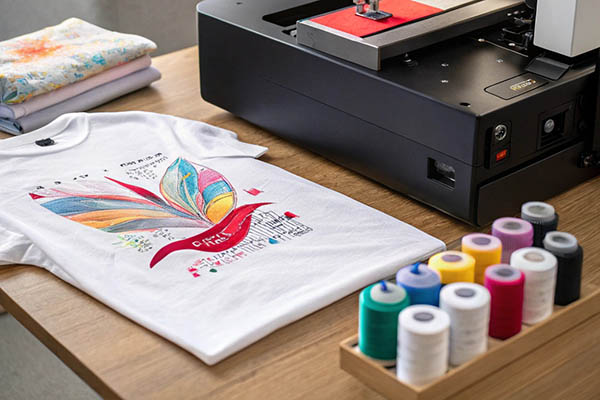
What are the essential tools for making custom shirts?
To create high-quality custom shirts, you need the right materials, design software, and printing machines.
Overview of essential tools:
| Tool | Purpose | Best For |
|---|---|---|
| T-shirt Fabric | Base material for printing | Cotton, polyester, blends |
| Design Software | Creates digital designs | Adobe Illustrator, Canva, CorelDRAW |
| Printing Machine | Transfers designs onto fabric | DTG, screen printing, sublimation |
| Heat Press Machine | Cures and bonds designs | Heat transfer, sublimation |
| Embroidery Machine | Stitches logos and designs | Corporate apparel, branding |
| Sewing Machine | Assembles or customizes shirts | Handmade, fashion shirts |
What fabric is best for custom shirts?
The type of fabric affects comfort, durability, and print quality.
Best fabrics for custom shirts:
| Fabric Type | Features | Best Printing Method |
|---|---|---|
| 100% Cotton | Soft, breathable, absorbs ink well | Screen printing, DTG |
| Cotton-Poly Blend | Less shrinkage, durable | DTG, heat transfer |
| 100% Polyester | Moisture-wicking, lightweight | Sublimation, heat transfer |
| Tri-Blend (Cotton/Poly/Rayon) | Soft, vintage feel | DTG, screen printing |
If you need vibrant full-color designs, choose polyester for sublimation or **cotton fo
What design software is used to create custom T-shirt graphics?
Before printing, you need high-quality digital designs.

Best software for T-shirt design:
| Software | Features | Best For |
|---|---|---|
| Adobe Illustrator | Vector graphics, precise designs | Professional printing |
| Photoshop | Photo-based, high-quality effects | DTG, sublimation |
| CorelDRAW | Graphic design, typography | Screen printing |
| Canva | Easy-to-use, beginner-friendly | Small projects |
For screen printing and DTG, use vector-based designs (Illustrator, CorelDRAW) for sharp results.
What are the best printing methods for custom shirts?
Different printing methods offer unique advantages depending on order size, design detail, and budget.
Overview of T-shirt printing methods:
| Method | Best For | Durability | Cost |
|---|---|---|---|
| Screen Printing | Bulk orders, bold designs | ✅✅✅ Very High | 💲💲 Medium |
| DTG (Direct-to-Garment) | Full-color, small batches | ✅✅ Medium | 💲💲💲 High |
| Heat Transfer (DTF, Vinyl, Sublimation) | Personalized, one-off shirts | ✅✅ Medium-High | 💲💲 Moderate |
| Embroidery | Logos, professional branding | ✅✅✅ Very High | 💲💲💲💲 High |
Let’s take a deeper look at each method.
Screen Printing: Best for bulk T-shirt printing
Screen printing uses stencils and ink to transfer designs onto fabric.
How screen printing works:
- A stencil (screen) is created for each color in the design.
- Ink is pushed through the screen onto the T-shirt.
- The design is cured with heat to set the ink.

Best screen printing machines:
| Machine Name | Features | Price Range |
|---|---|---|
| VEVOR 4 Color 1 Station | Manual, affordable | $200–$500 |
| Riley Hopkins 250 Press | Multi-color printing | $1,000+ |
| M&R Sportsman EX | Automatic screen printing | $15,000+ |
If you need 100+ T-shirts with bold, solid-color designs, screen printing is the best choice.
DTG (Direct-to-Garment) Printing: Best for detailed, full-color designs
DTG printing is a digital method that sprays ink directly onto fabric, like an inkjet printer for T-shirts.
How DTG printing works:
- A digital design is loaded into the printer.
- The printer sprays ink directly onto the cotton fabric.
- A heat press or dryer cures the ink for durability.
Best DTG printers:
| Printer Name | Features | Price Range |
|---|---|---|
| Epson SureColor F2100 | High-quality, fast printing | $10,000–$15,000 |
| Brother GTX Pro | Vibrant colors, efficient | $15,000+ |
DTG is best for small orders with detailed, multi-color designs.
Heat Transfer Printing: Best for one-off and small-batch designs
Heat transfer methods use heat and pressure to apply designs onto fabric.
Types of heat transfer printing:
| Method | Best For | Features |
|---|---|---|
| DTF (Direct-to-Film) | Multi-color, durable prints | Vibrant, flexible design application |
| HTV (Heat Transfer Vinyl) | Simple logos, sports jerseys | Textured, cut-out vinyl designs |
| Sublimation Transfer | Polyester fabrics | Long-lasting, full-color designs |
For customized T-shirts with names or logos, heat transfer is a cost-effective option.
Unlike printing, embroidery stitches thread-based designs onto shirts.
How embroidery works:
- A digital embroidery file is loaded into the machine.
- Threads are selected and stitched onto the shirt.
- The finished embroidery is trimmed and cleaned.
Best embroidery machines:
| Machine Name | Features | Price Range |
|---|---|---|
| Brother PE800 | 5×7 inch embroidery area | $700–$1,000 |
| Janome MB-7 | Multi-needle, commercial-grade | $5,000+ |
Embroidery is best for corporate logos, uniforms, and high-end branding.
What other equipment is needed for making custom shirts?
Beyond printers, additional tools and accessories are needed for high-quality production.
Essential equipment:
✔ Heat Press Machine – Used for curing ink and heat transfers.
✔ Sewing Machine – Needed for modifying or assembling shirts.
✔ Vinyl Cutter – Cuts custom shapes and letters for heat transfers.
✔ Quality Control Tools – Measuring tapes, fabric rulers, and inspection tables.
A complete setup ensures professional-quality T-shirts.
Conclusion
Making custom shirts requires the right fabric, design software, printing method, and machines:
- Screen printing is best for bold, bulk designs.
- DTG printing works well for full-color, detailed prints.
- Heat transfer is great for customized, one-off designs.
- Embroidery adds a professional, premium touch.
- A complete setup includes heat presses, sewing machines, and quality control tools.
By selecting the right tools and methods, you can create high-quality custom T-shirts for personal use or business.