Skip to content
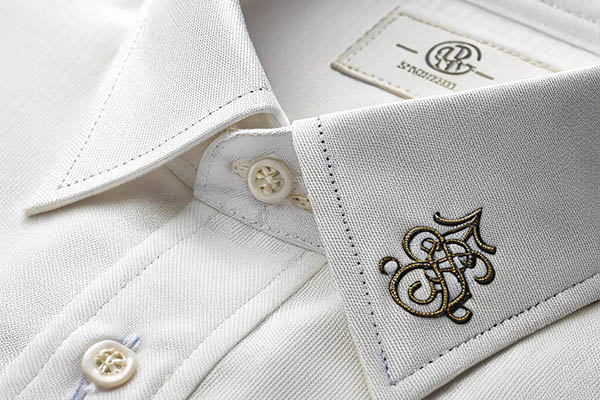
Embroidery adds a premium touch to shirts, making them ideal for branding, corporate wear, and personal customization. However, not all fabrics work well with embroidery. The right material ensures smooth stitching, durability, and a polished look.
The best shirt materials for embroidery include cotton, cotton-polyester blends, twill, linen, and pique knit. These fabrics provide the right balance of stability and texture, ensuring high-quality embroidery results. Slippery or overly stretchy fabrics can cause design distortion.
Choosing the wrong material can lead to puckering, fraying, or poor thread retention. Let’s explore the best fabrics for embroidered shirts and how to select the right one.
Can you embroider a 100% polyester shirt?
Polyester is a common fabric for sportswear and performance shirts, but its synthetic nature poses embroidery challenges.
Yes, you can embroider a 100% polyester shirt, but it requires special stabilizers1, needles, and thread2 to prevent puckering and thread breakage. Polyester’s slippery texture and stretch require careful handling during embroidery.
Tips for embroidering 100% polyester shirts3
What challenges does polyester pose for embroidery?
Polyester’s properties make embroidery more complex:
| Challenge | Solution |
|---|---|
| Slippery Surface | Use a stabilizer to keep fabric in place. |
| Stretchiness | Hoop tightly to prevent fabric shifting. |
| Heat Sensitivity | Use low-heat settings to avoid fabric damage. |
| Thread Breakage | Use polyester embroidery thread for compatibility. |
How can you achieve the best embroidery results on polyester?
To embroider polyester successfully:
- Use a tear-away or cut-away stabilizer to keep stitches firm.
- Opt for ballpoint needles to prevent fabric snags.
- Use polyester embroidery thread to match the fabric’s properties.
- Test on a sample fabric before final stitching.
While polyester can be embroidered, cotton and blended fabrics offer easier handling and cleaner results.
What is the best fabric to embroider shirts on?
Some fabrics hold embroidery stitches better than others, maintaining durability and a professional appearance.
The best fabrics for embroidery are cotton, cotton-poly blends, twill, pique knit, and linen. These materials provide a stable surface that supports high-quality embroidery with minimal distortion.
How do different fabrics perform for embroidery?
Each fabric type has unique properties that impact embroidery results:
| Fabric Type | Embroidery Suitability | Key Features |
|---|---|---|
| Cotton | ✅ Excellent | Breathable, durable, easy to hoop. |
| Cotton-Poly Blend | ✅ Good | Reduces shrinkage, balances softness. |
| Twill | ✅ Excellent | Thick, holds embroidery stitches well. |
| Pique Knit | ✅ Good | Textured, commonly used for polo shirts. |
| Linen | ✅ Moderate | Requires stabilizer, but offers a natural look. |
| Polyester | ⚠️ Tricky | Needs special techniques to avoid puckering. |
| Silk | ❌ Difficult | Slippery and delicate, requires expert handling. |
| Rayon | ❌ Not recommended | Too thin, may fray easily. |

Why is cotton the best fabric for embroidery?
Cotton is the most recommended fabric for embroidery because:
- It is stable and non-stretchy, reducing design distortion.
- It absorbs thread well, allowing for vibrant embroidery.
- It works well with all stabilizers, making it versatile for different designs.
However, cotton can shrink slightly after washing, so pre-washing before embroidery is recommended.
How does fabric weight affect embroidery quality?
Fabric weight determines how well it supports embroidery stitches and prevents puckering.
Heavier fabrics like twill and pique knit hold embroidery better than lightweight fabrics like silk or rayon. Medium-weight cotton is ideal for general embroidery.
What fabric weights are best for embroidery?
| Fabric Weight | Suitability for Embroidery |
|---|---|
| Lightweight (≤150 GSM) | Prone to puckering, requires strong stabilizers. |
| Medium-weight (150-250 GSM) | Ideal for embroidery, holds stitches well. |
| Heavyweight (≥250 GSM) | Supports dense embroidery, used for workwear. |
Denser fabrics handle embroidery better, but extremely thick materials may require a specialized needle.
What are the best stabilizers for different shirt fabrics?
Stabilizers prevent fabric from shifting and help embroidery maintain its shape.
Cut-away stabilizers4 are best for stretchy fabrics like polyester, while tear-away stabilizers work well for stable fabrics like cotton and twill.
Which stabilizer should you use?
| Fabric Type | Recommended Stabilizer |
|---|---|
| Cotton | Tear-away or light cut-away |
| Cotton-Poly Blend | Tear-away |
| Twill | Tear-away |
| Pique Knit (Polo Shirts) | Cut-away |
| Polyester | Cut-away with topping film |
| Linen | Tear-away or water-soluble stabilizer |
For fabrics with texture or stretch, using a water-soluble topping film helps stitches stay smooth and even.

What embroidery threads work best for different shirt materials?
The type of embroidery thread used affects the final look and durability of the design.
Polyester embroidery thread5 is the best choice for most shirt fabrics because it is strong, colorfast, and resistant to shrinking. Cotton and rayon threads are also used for specific fabric types.
Which thread should you choose?
| Thread Type | Best Used On | Features |
|---|---|---|
| Polyester Thread | Cotton, poly, blends | Durable, fade-resistant, strong. |
| Cotton Thread | 100% Cotton fabrics | Soft, natural look, less stretch. |
| Rayon Thread | Dress shirts, lightweight fabrics | Shiny finish, delicate. |
For sportswear and outdoor shirts, polyester thread is best due to its moisture resistance and durability.
How does embroidery density affect different fabrics?
The density of stitches in an embroidery design impacts the fabric’s ability to hold up under pressure.
Dense embroidery designs work best on stable fabrics like cotton twill, while looser designs are ideal for thin or stretchy fabrics.
What embroidery density works best for each fabric?
| Fabric Type | Recommended Embroidery Density |
|---|---|
| Cotton/Twill | High-density designs work well. |
| Polyester/Pique Knit | Medium-density to avoid puckering. |
| Silk/Rayon | Low-density to prevent fabric distortion. |
For thin fabrics, reducing stitch count and using a stabilizer prevents warping.
Conclusion
The best fabrics for embroidery include cotton, cotton-poly blends, twill, and pique knit, as they offer stability and durability. Polyester shirts can be embroidered, but require special stabilizers and thread to prevent puckering. Choosing the right fabric, stabilizer, and thread ensures high-quality embroidery results.
When selecting a fabric, consider how well it holds stitches, its stretchability, and its reaction to embroidery density. By understanding these factors, you can create beautifully embroidered shirts with long-lasting designs.
-
Recommends stabilizer options and tips to prevent puckering on synthetic fabrics. ↩
-
Unveils recommended thread types specifically for polyester or blended shirts. ↩
-
Details essential techniques, including needle selection and hooping methods for polyester. ↩
-
Explains the differences, pros, and cons for each type of stabilizer in embroidery. ↩
-
Highlights the ideal thread types for consistent, vibrant stitching on natural and synthetic fibers. ↩