Skip to content
As sustainability becomes a major focus in the fashion industry, many brands and consumers are turning to organic cotton for T-shirts. But is it really better than conventional cotton? Understanding its benefits and drawbacks helps businesses and buyers make informed choices.
Organic cotton is a great material for T-shirts because it is softer, more breathable, and environmentally friendly. Unlike conventional cotton, it is grown without synthetic pesticides or fertilizers, reducing its ecological impact. However, it is more expensive and may have limited availability.
While organic cotton is a better choice for sustainability, its production cost and fabric durability need to be considered. Let’s explore its advantages, disadvantages, and how it compares to other fabrics.
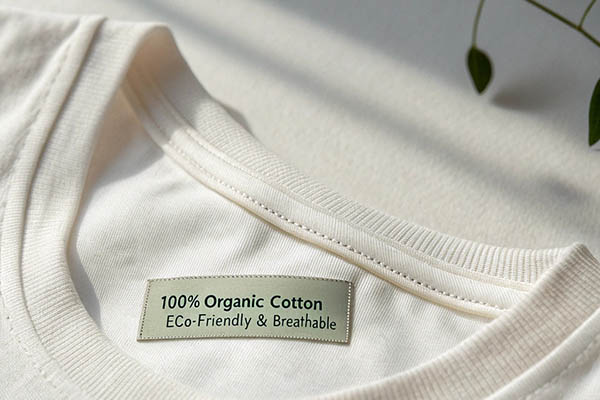
What is organic cotton, and how is it different from regular cotton?
Organic cotton is grown using environmentally friendly farming methods that avoid harmful chemicals.
Unlike conventional cotton, organic cotton is cultivated without pesticides, synthetic fertilizers, or genetically modified seeds. This reduces soil degradation, water pollution, and chemical exposure for farmers.
How is organic cotton grown?
| Process | Organic Cotton | Conventional Cotton |
|---|---|---|
| Farming Method | Grown without synthetic pesticides | Uses chemical fertilizers and pesticides |
| Water Consumption | Uses rain-fed irrigation when possible | Requires high water usage |
| GMOs | Non-GMO seeds | Often genetically modified for higher yield |
| Environmental Impact | Sustainable, improves soil health | Causes soil depletion and pollution |
Organic cotton is certified1 by organizations like GOTS (Global Organic Textile Standard) to ensure sustainability throughout the supply chain.
What are the benefits of using organic cotton for T-shirts?
Organic cotton offers multiple advantages, especially for brands focusing on ethical fashion.
Organic cotton T-shirts are softer, more breathable, and eco-friendly compared to regular cotton. They are hypoallergenic2, making them ideal for sensitive skin.
Why is organic cotton great for T-shirts?
| Benefit | Description |
|---|---|
| Softer & More Comfortable | No harsh chemicals, making the fabric gentler on the skin. |
| Breathable & Lightweight | Absorbs moisture and allows airflow, ideal for warm weather. |
| Hypoallergenic | Free from harmful chemicals, reducing skin irritation. |
| Eco-Friendly | Grown sustainably, reducing pollution and soil degradation. |
| Higher Quality Fabric | Less chemical processing means longer-lasting fibers. |
For people with sensitive skin or allergies, organic cotton T-shirts provide a chemical-free alternative.

Is organic cotton durable for T-shirts?
Durability is a key factor when choosing a fabric for everyday wear.
Organic cotton is durable, but it requires special care. Since it lacks chemical treatments, it may shrink slightly after washing and needs gentle handling to maintain its lifespan.
How does organic cotton compare in durability?
| Feature | Organic Cotton | Regular Cotton |
|---|---|---|
| Fabric Strength | Naturally strong, but softens over time | Chemically treated for durability |
| Shrinkage | Higher shrinkage if not pre-washed | Less shrinkage due to treatments |
| Longevity | Lasts long with proper care | Can last longer due to chemical reinforcement |
| Feel Over Time | Becomes softer with each wash | May stiffen over time due to processing |
While organic cotton T-shirts last long, following proper washing instructions (cold water, air drying) helps prevent shrinkage and wear.
How does organic cotton affect the environment?
Organic cotton farming is significantly better for the planet than conventional cotton production.
Compared to conventional cotton, organic cotton uses less water, avoids harmful chemicals, and maintains healthy soil ecosystems.
What are the environmental benefits of organic cotton?
| Environmental Factor | Organic Cotton | Regular Cotton |
|---|---|---|
| Water Usage | 91% less water required | High water consumption |
| Pesticides & Chemicals | No toxic chemicals used | Heavy pesticide use affects ecosystems |
| Soil Health | Supports biodiversity & soil fertility | Causes soil depletion |
| Carbon Footprint | Lower emissions due to sustainable farming | High carbon footprint from chemical production |
By choosing organic cotton, brands can reduce water waste, protect wildlife, and promote ethical farming.
Why is organic cotton more expensive than regular cotton?
Organic cotton T-shirts often cost more than standard cotton due to labor-intensive farming and production cost3.
The higher price of organic cotton comes from lower crop yields, sustainable farming techniques, and the cost of obtaining organic certifications.

What makes organic cotton more expensive?
| Cost Factor | Impact on Price |
|---|---|
| Lower Crop Yield | Organic farms produce less cotton per acre. |
| No Chemical Fertilizers | Organic methods take longer and require more labor. |
| GOTS Certification | Additional costs for maintaining organic standards. |
| Fair Wages for Farmers | Ethical practices ensure better worker conditions. |
On average, an organic cotton T-shirt costs $15-$30, compared to a regular cotton T-shirt priced at $5-$15.
How does organic cotton compare to other sustainable fabrics?
While organic cotton is a great choice, other sustainable materials offer unique benefits.
Organic cotton competes with fabrics like bamboo, hemp, and recycled polyester in the sustainable fashion market. Each material has different strengths and weaknesses. You can learn more by comparing organic cotton to other sustainable fabrics4.
How do sustainable fabrics compare?
| Fabric | Pros | Cons |
|---|---|---|
| Organic Cotton | Soft, breathable, eco-friendly | Higher cost, may shrink |
| Bamboo | Extremely soft, moisture-wicking | Requires chemical processing |
| Hemp | Durable, naturally antibacterial | Coarser texture, expensive |
| Recycled Polyester | Reduces plastic waste, durable | Less breathable, synthetic feel |
For casual and breathable T-shirts, organic cotton is the best choice. For moisture-wicking or sportswear, bamboo and recycled polyester are better options.
Should you choose organic cotton for your clothing brand?
If sustainability5 and ethical production are key priorities, organic cotton is an excellent choice.
Organic cotton T-shirts are perfect for brands focusing on eco-conscious consumers, ethical fashion, and premium quality apparel.
Who benefits from organic cotton T-shirts?
✅ Eco-conscious consumers who prefer sustainable fashion.
✅ People with sensitive skin who need hypoallergenic fabrics.
✅ Brands looking for premium-quality clothing with a soft, natural feel.
✅ Businesses aiming for ethical and fair-trade practices.
For brands targeting affordable mass production, organic cotton might not be the most cost-effective choice.
Conclusion
Organic cotton is an excellent material for T-shirts, offering comfort, breathability, and sustainability. It is softer, hypoallergenic, and eco-friendly, making it a great choice for ethical brands.
Although more expensive than conventional cotton, it reduces environmental impact and provides a higher-quality product. Businesses must weigh cost vs. sustainability when deciding whether to use organic cotton in their T-shirt production.
-
Explore recognized standards like GOTS that validate organic farming and processing. ↩
-
Discover how chemical-free fibers can reduce skin irritations and sensitivities. ↩
-
Understand the factors behind higher pricing in organic cotton’s supply chain. ↩
-
Compare material properties, pros, and cons among eco-friendly fabric options. ↩
-
Learn about the growing importance of eco-friendly practices and consumer demand in the industry. ↩