Skip to content
Jeans are a wardrobe staple, but have you ever wondered how much material goes into making a single pair? From fabric to thread and metal components, each element plays a crucial role in durability and style.
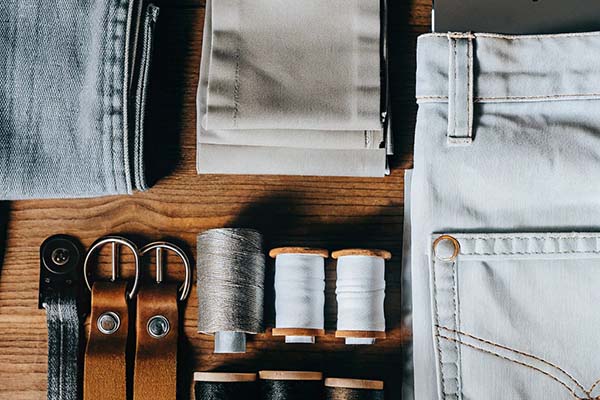
To make a standard pair of jeans, manufacturers use about 1.5 to 2 yards (1.3 to 1.8 meters) of denim fabric, along with sewing thread, zippers, rivets, and labels. Additional materials like synthetic fibers or linings vary depending on the design.
Understanding the material requirements for jeans helps brands optimize production and consumers appreciate the craftsmanship behind their favorite denim.
How much denim fabric is needed to make a pair of jeans?
The amount of denim fabric required depends on size, fit, and design complexity.
On average, a pair of jeans requires 1.5 to 2 yards (1.3 to 1.8 meters) of denim fabric. The exact amount varies based on style, cut, and fabric width.
What factors influence denim fabric usage?
Several elements determine how much denim is needed:
| Factor | Impact on Fabric Usage |
|---|---|
| Size & Fit | Larger sizes and looser fits require more fabric. |
| Fabric Width | Wider fabric reduces waste, while narrow fabric requires more material. |
| Design Complexity | Extra pockets, reinforced seams, and linings increase fabric consumption. |
| Shrinkage Allowance | Denim shrinks after washing, so additional fabric is used to compensate. |
How does fabric width affect material consumption?
Most denim fabric comes in narrow widths (28-34 inches) or wide widths (55-60 inches). Wider fabric reduces waste, while narrow fabric leads to more cut-offs.
- Example: If using 60-inch wide fabric, a pair of jeans might require 1.5 yards.
- If using 30-inch wide fabric, the requirement could increase to 2 yards.
Choosing the right fabric width helps minimize waste and optimize costs.
How much sewing thread is required to stitch a pair of jeans?
Jeans require strong stitching, and manufacturers use thick, durable thread like Polyester Core-Spun Thread1 to enhance longevity.
A pair of jeans requires about 150 to 200 meters (500 to 650 feet) of sewing thread, depending on the stitching style and reinforcement.
What type of thread is used in jeans production?
Denim stitching requires high-tensile strength thread:
| Thread Type | Features |
|---|---|
| Polyester Core-Spun Thread | Strong and resistant to wear. |
| Cotton-Wrapped Polyester Thread | Blends natural feel with durability. |
| 100% Cotton Thread | Used for vintage-style jeans but less durable. |

How does stitching type affect thread usage?
| Stitch Type | Thread Requirement |
|---|---|
| Single Stitching | Uses less thread but offers minimal reinforcement. |
| Double Stitching | Adds durability, requiring more thread. |
| Flat-Felled Seams | Strongest construction, consuming the most thread. |
High-quality jeans use double-stitched or flat-felled seams, increasing thread consumption.
Denim jeans use metal components for durability and aesthetics.
A standard pair of jeans requires around 10 to 15 grams of metal, including rivets, buttons, and zippers.
What are the main metal components in jeans?
| Component | Average Weight per Pair |
|---|---|
| Rivets (5-7 pieces) | 5-8 grams |
| Zipper or Buttons | 5-10 grams |
| Grommets (if any) | 2-3 grams |
Why are metal components important?
- Rivets reinforce stress points, preventing tears.
- Zippers and buttons ensure secure fastening.
- Grommets (used in decorative styles) enhance aesthetics.
Using high-quality metal parts increases jeans’ durability and longevity.
How much dye is used to color a pair of jeans?
Denim gets its iconic blue color from indigo dye, applied in multiple layers.
Each pair of jeans requires about 3 to 12 grams of indigo dye, depending on the depth of color. Darker jeans use more dye.

How is denim dyed?
Denim yarns are dyed using rope dyeing2 or slasher dyeing, where indigo is applied in multiple dips.
| Dyeing Method | Indigo Consumption |
|---|---|
| Light Wash Jeans | 3-5 grams of indigo |
| Medium Blue Jeans | 6-9 grams of indigo |
| Dark Wash / Raw Denim | 10-12 grams of indigo |
Are there eco-friendly alternatives?
- Natural indigo reduces chemical waste.
- Waterless dyeing techniques3 lower water consumption.
- Recycled dye repurposes excess indigo for sustainability.
Sustainable dyeing methods are gaining popularity among eco-conscious brands.
How much water and chemicals are used in jeans production?
Denim manufacturing requires significant water and chemical usage, especially in the finishing process.
A single pair of jeans can consume 1,500 to 2,500 liters of water during its production lifecycle.
What processes require the most water?
| Process | Water Usage |
|---|---|
| Cotton Cultivation | 1,000-1,500 liters |
| Dyeing & Washing | 500-800 liters |
| Finishing Treatments | 100-200 liters |
How are brands reducing water usage?
- Laser finishing4 replaces water-intensive distressing techniques.
- Ozone washing minimizes chemical and water waste.
- Recycled water systems lower overall consumption.
Sustainable production methods are essential for reducing denim’s environmental impact.
How much packaging material is used for a pair of jeans?
Packaging protects jeans during transportation and retail display.
Each pair of jeans requires about 50-100 grams of packaging materials, including plastic bags, tags, and boxes.
What packaging materials are commonly used?
| Material | Purpose |
|---|---|
| Plastic Bags | Protects jeans from dust and moisture. |
| Paper Tags & Labels | Branding and care instructions. |
| Cardboard Boxes | Used for bulk shipments. |
How can brands reduce packaging waste?
- Biodegradable plastic bags replace conventional plastic.
- Recycled paper tags lower environmental impact.
- Minimalist packaging5 reduces excess materials.
Sustainable packaging is becoming a priority for many fashion brands.
Conclusion
Making a pair of jeans requires 1.5 to 2 yards of denim fabric, 150 to 200 meters of thread, 10 to 15 grams of metal components, and 3 to 12 grams of indigo dye. Water consumption ranges from 1,500 to 2,500 liters, and packaging adds another 50-100 grams of material.
Understanding these material requirements helps brands optimize efficiency and consumers make informed choices about sustainability.
-
Learn about thread properties for improved denim stitching. ↩
-
Understand rope dyeing steps for deeper denim color penetration. ↩
-
Explore these innovative methods reducing conventional water consumption globally. ↩
-
This approach significantly cuts water usage in denim finishing. ↩
-
Discover packaging strategies that lower environmental footprints effectively. ↩