Skip to content
Choosing the right fabric for swim trunks is essential for comfort, performance, and durability. Nylon and polyester are two of the most common materials used for swimwear, each offering distinct advantages. Whether you’re lounging by the pool, swimming laps, or catching waves, understanding these fabrics’ strengths and weaknesses will help you make the best choice.
Nylon and polyester are both excellent materials for swim trunks. Nylon is softer and more lightweight, while polyester is more durable and resistant to UV rays, chlorine, and water absorption. Your choice depends on your priorities, such as comfort, durability, or quick-drying properties.
This article compares nylon and polyester for swim trunks, including their waterproof capabilities, to help you find the perfect material for your needs.
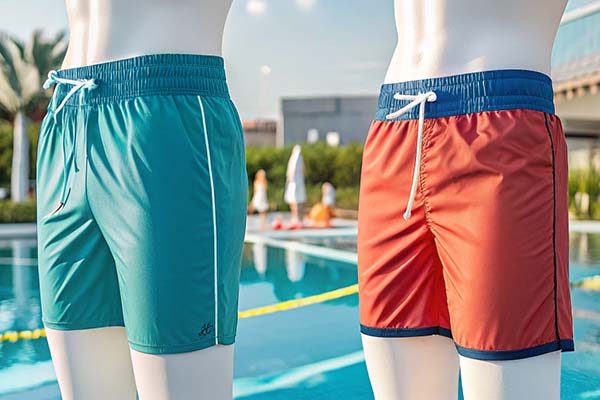
Is Nylon or Polyester Better for Waterproof?
When it comes to waterproof capabilities, nylon and polyester have unique qualities that make them suitable for swimwear.
1. Water Resistance
Nylon:
- Properties: Naturally water-resistant but tends to absorb more water than polyester.
- Drying Time: Slower drying compared to polyester due to higher water absorption.
Polyester:
- Properties: More hydrophobic, meaning it resists water absorption effectively1.
- Drying Time: Dries faster, making it ideal for swim trunks that need to stay lightweight and comfortable after leaving the water.
Winner for Waterproofing: Polyester is better for waterproof performance due to its superior water resistance and quick-drying properties.
2. Chlorine and Saltwater Resistance
Nylon:
- Performance: Susceptible to damage from prolonged exposure to chlorine2 and saltwater, leading to fading or weakening over time.
Polyester:
- Performance: Highly resistant to chlorine and saltwater, maintaining its durability and color even with frequent use.
Winner for Resistance: Polyester is more durable in chlorinated pools and saltwater environments.
3. UV Protection
Nylon:
- Performance: Provides moderate UV resistance but can degrade faster when exposed to prolonged sunlight.
Polyester:
- Performance: Offers excellent UV protection3, making it a better choice for outdoor activities.
Winner for UV Protection: Polyester outperforms nylon in protecting against UV rays.

Comparing Nylon and Polyester for Swim Trunks
| Feature | Nylon | Polyester |
|---|---|---|
| Water Resistance | Good, but absorbs more water | Excellent, highly water-resistant |
| Drying Time | Moderate | Fast |
| Durability | Moderate, weaker in chlorine/salt | High, resistant to chlorine/salt |
| UV Protection | Moderate | Excellent |
| Softness | Softer and smoother texture | Slightly rougher texture |
| Stretch | More flexible | Less stretchy but maintains shape |
Advantages of Nylon for Swim Trunks
Nylon swim trunks are popular for their lightweight feel and comfort. Here’s why you might choose nylon:
1. Soft and Lightweight
- Feel: Nylon has a smooth texture, making it comfortable to wear for long periods.
- Weight: Its lightweight nature ensures ease of movement, especially in water.
2. Flexibility
- Nylon’s natural stretch makes it a good choice for active swimmers who require a greater range of motion.
3. Cost-Effective
- Nylon is often less expensive than polyester, making it a budget-friendly option for casual swimwear.
Advantages of Polyester for Swim Trunks
Polyester is widely favored for its durability and performance in challenging water environments. Here’s why you might choose polyester:

1. Superior Durability
- Longevity: Withstands wear and tear from chlorine, saltwater, and UV exposure better than nylon.
2. Quick-Drying
- Polyester’s hydrophobic properties1 help it repel water, ensuring it dries faster than nylon.
3. Retains Shape and Color
- Polyester holds its shape well and resists fading, even with frequent washing and sun exposure.
Choosing the Right Fabric for Your Needs
When deciding between nylon and polyester for swim trunks, consider the following factors:
1. Activity Level
- High-Performance Sports: Opt for nylon if you prioritize flexibility and softness.
- Frequent Swimming: Choose polyester for its resistance to chlorine and durability.
2. Comfort
- Nylon’s smooth texture is ideal for individuals with sensitive skin or those seeking maximum comfort.
3. Environment
- For pool swimming or frequent exposure to saltwater, polyester is the better choice due to its resistance to harsh elements.
Caring for Nylon and Polyester Swim Trunks
To extend the life of your swim trunks, follow these care tips:
1. Rinse After Use
- Rinse your swim trunks in cold water after swimming to remove chlorine, salt, or sand.
2. Hand Wash
- Use a gentle detergent to prevent damage to the fabric’s fibers.
3. Avoid High Heat
- Air dry your swim trunks away from direct sunlight to prevent shrinking or fading.
Innovations in Swimwear Fabrics
The swimwear industry continues to innovate, combining the best of nylon and polyester properties:
1. Blended Fabrics
- Many swim trunks now feature nylon/polyester blends to balance softness, durability, and water resistance.
2. Recycled Materials
- Sustainable brands are using recycled nylon and polyester4 to create eco-friendly swimwear options.
3. Advanced Coatings
- Hydrophobic coatings1 enhance water resistance, ensuring fabrics dry even faster.
Popular Swimwear Brands Using Nylon and Polyester
Many leading brands use nylon, polyester, or blends of these fabrics to create high-quality swim trunks:
- Speedo: Known for chlorine-proof5 polyester-based swimwear.
- Patagonia: Offers sustainable options using recycled polyester.
- Hurley: Combines polyester and spandex for flexibility and durability.
- O’Neill: Features lightweight and quick-drying nylon swim trunks.
Conclusion
Both nylon and polyester are excellent materials for swim trunks, each catering to different needs. Nylon offers softness and flexibility, making it a great choice for comfort and active movement. Polyester, on the other hand, excels in durability, water resistance, and UV protection, making it ideal for long-lasting swimwear. When choosing swim trunks, consider your activity level, environment, and personal preferences to select the material that suits you best.
-
Exploring hydrophobic features enhances dryness and comfort post-swim. ↩ ↩ ↩
-
Learning about chlorine’s effects helps maintain swimwear durability. ↩
-
Understanding UV resistance supports better sun protection choices. ↩
-
Evaluating eco-friendly fabrics fosters responsible consumer habits. ↩
-
Investigating brand-specific durability clarifies investment in long-lasting swimwear. ↩