Skip to content
The fabric used to make shorts can significantly impact their comfort, durability, and functionality. Choosing the right material depends on the intended use of the shorts—whether for casual wear, athletic activities, or outdoor adventures. With a variety of fabrics available, understanding their properties can help you select the perfect one for your needs.
The best fabric for making shorts varies based on their purpose. Cotton is ideal for casual wear, polyester blends work best for athletic use, and linen is perfect for breathable summer shorts. Each fabric offers unique advantages tailored to specific activities.
This article explores the most popular fabrics for shorts, their benefits, and how to choose the right one for your lifestyle.
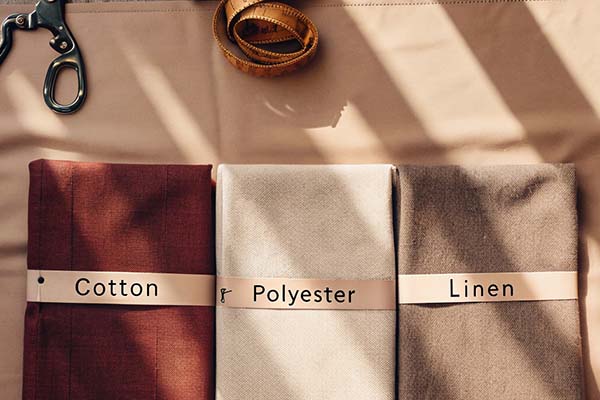
1. Cotton: The Casual Staple
Cotton is one of the most widely used fabrics for shorts, prized for its softness and breathability. It’s a versatile material that suits casual and everyday wear.
Why Cotton Works Well
- Breathable: Keeps you cool in warm weather.
- Soft Texture: Comfortable for prolonged wear.
- Natural Material: Hypoallergenic and gentle on the skin.
Ideal For:
- Chino Shorts: Tailored for smart-casual looks.
- Casual Wear: Perfect for lounging or running errands.
Drawbacks:
- Wrinkles Easily: May require ironing for a polished look.
- Less Moisture-Wicking: Absorbs sweat rather than repelling it.
For a summer comparison, see which is better: cotton or linen for summer shorts?1.

2. Polyester: The Performance Favorite
Polyester is a synthetic fabric known for its durability and moisture-wicking properties, making it a go-to choice for athletic shorts.
Why Polyester Works Well
- Lightweight: Doesn’t feel heavy, even during intense activities.
- Moisture-Wicking: Keeps sweat at bay, ensuring you stay dry.
- Quick-Drying: Perfect for sports or outdoor adventures.
Ideal For:
- Athletic Shorts: Great for running, gym workouts, or team sports.
- Swim Shorts: Resistant to water and quick to dry.
Drawbacks:
- Not Very Breathable: Can feel warm in hot climates without proper ventilation.
- Synthetic Feel: May lack the softness of natural fabrics.
If you’re considering durability in the outdoors, check out tips on choosing water-resistant fabrics like nylon or polyester2.
3. Linen: The Summer Essential
Linen is a natural fiber celebrated for its exceptional breathability and lightweight feel, making it perfect for warm-weather shorts.
Why Linen Works Well
- Highly Breathable: Keeps you cool in hot and humid conditions.
- Lightweight: Doesn’t weigh you down, even in the heat.
- Eco-Friendly: Made from natural flax fibers.
Ideal For:
- Linen Shorts: Great for beach vacations or casual summer outings.
- Smart-Casual Wear: Looks polished when tailored.
Drawbacks:
- Wrinkles Easily: Requires frequent ironing for a neat appearance.
- Delicate Care: Can be prone to shrinkage or damage if not washed properly.
For maintenance tips, refer to our how to care for linen shorts without shrinking or heavy wrinkles3.
4. Denim: The Durable Classic
Denim is a sturdy cotton-based fabric that’s perfect for casual shorts. Its rugged look and long-lasting nature make it a timeless choice.
Why Denim Works Well
- Durable: Resistant to wear and tear.
- Stylish: Versatile enough for casual and edgy looks.
- Variety of Washes: Available in light, dark, distressed, and vintage finishes.
Ideal For:
- Denim Shorts: Everyday casual wear or festivals.
Drawbacks:
- Heavy: May feel less comfortable in extremely hot weather.
- Limited Stretch: Can restrict movement unless blended with elastane.
For different climates, learn more about best denim options for shorts in different climates4.
5. Nylon: The Outdoor Performer
Nylon is a synthetic fabric known for its lightweight and water-resistant properties, making it ideal for outdoor activities.

Why Nylon Works Well
- Water-Resistant: Repels water, perfect for hiking or fishing shorts.
- Durable: Resistant to abrasions and tears.
- Quick-Drying: Excellent for wet or humid environments.
Ideal For:
- Hiking Shorts: Withstand rough conditions.
- Swim Trunks: Dries quickly after swimming.
Drawbacks:
- Synthetic Feel: Lacks the softness of natural fabrics.
- Can Trap Heat: May require ventilation for better comfort.
6. Spandex Blends: The Flexible Option
Spandex, often blended with polyester or cotton, provides excellent stretch and flexibility. It’s a popular choice for activewear.
Why Spandex Works Well
- Stretchable: Moves with your body, ideal for dynamic activities.
- Comfortable: Snug yet non-restrictive fit.
- Shape Retention: Holds its form even after repeated use.
Ideal For:
- Athletic Shorts: Great for yoga, running, or cycling.
- Compression Shorts: Provides muscle support during workouts.
Drawbacks:
- Less Breathable: Requires mesh panels or blended fabrics for ventilation.
For maintaining elasticity, see how to wash and maintain spandex-blend athletic shorts5.
Choosing the Right Fabric Based on Your Needs
Here’s how to determine the best fabric for your shorts based on your activities and preferences:
| Activity | Recommended Fabric | Why It Works |
|---|---|---|
| Casual Wear | Cotton, Denim | Comfortable and stylish. |
| Sports & Gym | Polyester, Spandex Blends | Moisture-wicking and flexible. |
| Outdoor Adventures | Nylon, Polyester | Durable and water-resistant. |
| Summer Outings | Linen | Lightweight and breathable. |
| Swimming | Nylon, Polyester | Quick-drying and water-friendly. |
Caring for Different Fabrics
Proper care ensures your shorts remain in top condition. Here are some tips for maintaining various fabrics:
1. Cotton and Denim
- Wash in cold water to prevent shrinkage.
- Air-dry or tumble-dry on low heat to avoid wear.
2. Polyester and Spandex
- Use gentle detergent and cold water.
- Avoid fabric softeners, which can affect moisture-wicking properties.
3. Linen
- Hand-wash or machine-wash on a delicate cycle.
- Iron while damp to remove wrinkles easily.
4. Nylon
- Wash with similar colors to prevent dye transfer.
- Hang to dry for best results.
Conclusion
The best fabric for making shorts depends on their intended use. Cotton and denim are perfect for casual wear, polyester and spandex excel in athletic settings, and linen is unmatched for summer comfort. By understanding the properties of each fabric, you can choose shorts that match your lifestyle while providing maximum comfort and durability.
-
Learn the pros and cons of these two breathable fabrics to stay cool in hot weather. ↩
-
Explore which synthetic materials are ideal for hiking, fishing, and outdoor adventures. ↩
-
See advice on washing, drying, and ironing linen to keep it fresh and crisp. ↩
-
Find out how weight, stretch, and wash affect denim’s comfort and suitability year-round. ↩
-
Discover best practices for preserving elasticity and moisture-wicking properties. ↩