Skip to content
Taking accurate body measurements is an essential step for tailoring, online shopping, or creating custom garments. Precision in this process ensures that clothing fits perfectly, enhancing comfort and appearance. While it may seem simple, taking body measurements requires the right tools, techniques, and procedures.
The procedure for taking body measurements involves using a soft measuring tape, standing naturally, and focusing on key areas such as the chest or bust1, waist2, hips, and inseam. Accurate measurements are achieved by following clear steps and double-checking results.
In this article, we’ll outline the key procedures for measuring the body, common mistakes to avoid, and tips for ensuring accurate results.
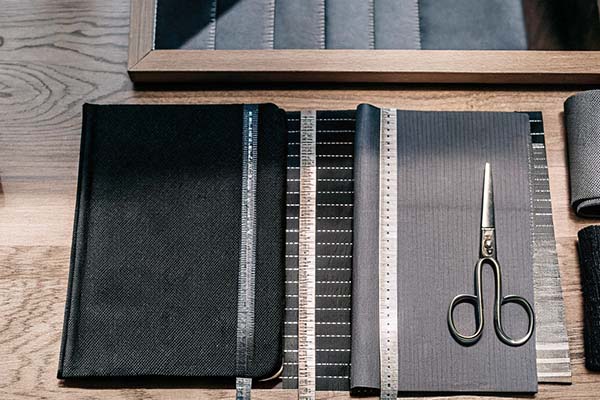
Tools Needed for Taking Body Measurements
To get started, gather the necessary tools for a smooth measuring process:
1. Soft Measuring Tape
- Flexible and easy to wrap around the body, ensuring precise measurements.
2. Mirror
- A full-length mirror helps you verify tape placement and maintain accuracy.
3. Notepad or App
- Use these to record your measurements immediately and avoid errors.
4. Assistant (Optional)
- Having someone help with measurements like shoulders or back can improve accuracy.
Step-by-Step Procedures for Taking Body Measurements
Step 1: Prepare for Measuring
Wear the Right Clothing
- Dress in tight-fitting clothes or undergarments to eliminate bulk that may distort measurements.
- Avoid wearing thick fabrics or accessories during the process.
Maintain a Neutral Posture
- Stand upright but relaxed, with your arms at your sides.
- Don’t suck in your stomach or puff out your chest.

Step 2: Measure Key Areas
Here are the essential body measurements and how to take them accurately:
-
Chest/Bust
- Wrap the measuring tape around the fullest part of the chest or bust.
- Ensure the tape is level across your back and not too tight or loose.
-
Waist
- Find your natural waistline, located just above the belly button.
- Wrap the tape snugly but not tightly, ensuring comfort.
-
Hips
- Measure around the widest part of your hips and buttocks.
- Keep the tape parallel to the floor for accuracy.
-
Shoulders
- Measure from the tip of one shoulder to the other across your back.
- Ask for assistance or use a mirror to ensure straight tape placement.
-
Sleeve Length
- Measure from the shoulder seam to the wrist bone.
- Slightly bend your arm to get a more realistic measurement.
-
Inseam
- Measure from the crotch seam to the bottom of the ankle.
- Ensure the tape follows the inner leg and stays straight.
-
Neck
- Wrap the tape around the base of the neck where a collar would sit.
- Leave enough space to slide one finger under the tape for comfort.
-
Height
- Stand barefoot against a wall with your heels touching the base.
- Use a ruler or flat object to mark the top of your head, then measure the distance to the floor.
Step 3: Double-Check Measurements
- Repeat each measurement at least twice to ensure consistency.
- If possible, ask someone to verify your results.
Step 4: Record Measurements
- Write down your measurements in a notepad or use an app.
- Label each measurement clearly (e.g., “Chest: 38 inches”).
Tip: Consider using reliable digital tools3 or apps that store your measurements for future reference.
Tips for Accurate Measurements
-
Use a Flexible Tape
A soft tape allows for better contouring around the body than a rigid ruler. -
Keep the Tape Level
Ensure the tape is parallel to the floor and doesn’t sag or twist. -
Measure Both Sides
For areas like arms or legs, measure both sides to account for asymmetry. -
Stand Naturally
Avoid stiff or exaggerated postures, which can lead to inaccurate results.
Common Mistakes to Avoid
- Measuring Over Loose Clothing: Can add extra inches, skewing the measurements.
- Pulling the Tape Too Tight: Leads to uncomfortable, ill-fitting garments.
- Ignoring Ease: Adding 1–2 inches of ease ensures garments fit comfortably, especially for non-stretch fabrics.
- Skipping Key Areas: Overlooking measurements like rise or thigh circumference can lead to incomplete sizing.
For a deeper dive into these pitfalls, see common mistakes in body measuring4.

Additional Measurements for Tailored Clothing
For custom or tailored clothing, you may need these extra measurements:
| Measurement | How to Measure |
|---|---|
| Thigh Circumference | Wrap the tape around the fullest part of the thigh. |
| Rise | Measure from the front waistline, through the crotch, to the back waistline. |
| Torso Length | Measure from the base of the neck to the waistline. |
| Wrist Circumference | Wrap the tape around the narrowest part of the wrist. |
When to Update Your Measurements
Body measurements should be updated periodically to reflect any changes:
- After Weight Changes: Significant weight loss or gain affects fit.
- Annually: Minor fluctuations occur naturally over time.
- Before Custom Orders: Fresh measurements ensure accurate sizing for tailored garments.
Why Accurate Measurements Are Important
- Better Fit: Ensures clothing fits comfortably and flatters your body.
- Reduces Returns: Prevents the hassle of returning online purchases due to size issues.
- Facilitates Tailoring: Tailors can use precise measurements to create garments that fit like a glove.
For ideas on how to organize this data for easy retrieval, learn about the best ways to store and track body measurements5.
Popular Tools and Technologies for Body Measurements
-
Digital Measuring Apps
Apps like MySizeID use smartphone technology to calculate measurements. -
Virtual Fit Software
Retailers offer virtual fitting rooms to simulate sizing based on body data. -
Professional Tailors
For the most accurate results, visit a professional tailor or seamstress.
Conclusion
Taking body measurements is a straightforward yet crucial process for ensuring well-fitting garments. By following the correct procedures, using the right tools, and avoiding common mistakes, you can achieve precise results every time. Whether for tailoring, shopping, or designing custom clothing, accurate measurements are the foundation of a perfect fit.
-
Learn the best techniques for taking precise chest or bust measurements. ↩
-
Discover the correct position and method for a true waist measurement. ↩
-
Explore apps and gadgets that simplify the process of taking body measurements. ↩
-
Understand pitfalls like pulling the tape too tight or ignoring posture. ↩
-
Find tips on organizing your data for future reference or clothing adjustments. ↩