Skip to content
Choosing the right fabric for athletic shorts is essential for ensuring comfort, performance, and durability during physical activities. Whether you’re running, weightlifting, or practicing yoga, the material of your shorts plays a key role in how you feel and perform.
The best fabrics for athletic shorts are lightweight, moisture-wicking1, and breathable materials like polyester, spandex2, and nylon. These fabrics are designed to keep you comfortable and dry during workouts while offering flexibility and durability.
This article dives into the most popular materials for sports shorts, their benefits, and how to choose the best option for your needs.
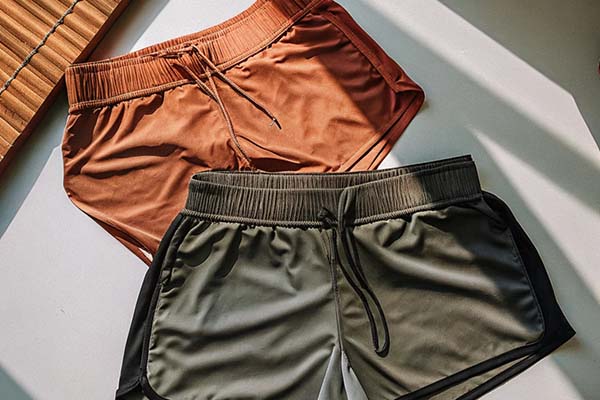
Which Material Is Best for Sports Shorts?
The ideal fabric for sports shorts depends on your activity, climate, and personal preferences. Below are the top materials used in athletic shorts and their unique advantages.
1. Polyester
Polyester is one of the most commonly used fabrics for athletic wear due to its versatile properties.
Benefits:
- Moisture-Wicking: Pulls sweat away from the skin to keep you dry.
- Lightweight: Doesn’t weigh you down, even during intense workouts.
- Durable: Resistant to wear, tear, and shrinking.
- Quick-Drying: Perfect for hot weather or intense activities.
Best For: Running, team sports, and gym workouts.
2. Spandex (Elastane)
Spandex is renowned for its exceptional elasticity, making it a staple in activewear.
Benefits:
- Flexibility: Provides a full range of motion, essential for dynamic activities.
- Snug Fit: Conforms to the body for comfort and support.
- Breathability: Often blended with other fabrics for better airflow.
Best For: Yoga, pilates, and weightlifting.
3. Nylon
Nylon is another popular choice for athletic shorts, known for its durability and smooth texture.
Benefits:
- Durable: Resistant to abrasion, making it ideal for high-impact sports.
- Breathable: Allows air circulation to prevent overheating.
- Lightweight and Stretchy: Ensures ease of movement.
Best For: CrossFit, cycling, and outdoor sports.
4. Cotton Blends
While pure cotton is not ideal for athletic shorts due to its tendency to retain moisture, cotton blends can be a comfortable alternative.
Benefits:
- Soft and Comfortable: Feels great against the skin.
- Blend Performance: When combined with polyester or spandex, it offers added stretch and quick-drying capabilities.
Best For: Low-intensity activities like walking or casual wear.

5. Mesh
Mesh-lining3 is a specialized fabric often used for breathability and ventilation.
Benefits:
- Airflow: Promotes cooling during intense workouts.
- Lightweight: Doesn’t add unnecessary bulk.
- Moisture Control: Prevents sweat buildup.
Best For: Basketball, soccer, and hot-weather workouts.
What Are Most Athletic Shorts Made Of?
Athletic shorts are typically made from a combination of synthetic materials to maximize performance. Below are common fabric blends and their purposes.
1. Polyester-Spandex Blends
This combination provides a balance of durability, moisture-wicking, and stretch.
- Use Case: Ideal for compression shorts and gym wear.
- Example: Lululemon’s Everlux4 Shorts feature polyester-spandex blends for comfort and performance.
2. Nylon-Spandex Blends
Nylon adds strength, while spandex ensures flexibility, making this blend suitable for high-intensity sports.
- Use Case: Perfect for activities requiring mobility, such as yoga or cycling.
- Example: Under Armour HeatGear Shorts use nylon-spandex blends for optimal performance.
3. Mesh-Lined Shorts
Many athletic shorts include a mesh-lining for added support and breathability.
- Use Case: Popular in running and basketball shorts.
- Example: Nike Dri-FIT Running Shorts feature mesh panels for ventilation.
How to Choose the Best Fabric for Athletic Shorts

1. Match the Fabric to Your Activity
Different activities require specific fabric properties:
- High-Intensity Workouts: Opt for moisture-wicking fabrics like polyester or nylon.
- Flexibility-Focused Activities: Choose spandex blends for maximum stretch.
- Outdoor Sports: Look for lightweight, breathable options like mesh.
2. Consider the Climate
- Hot Weather: Breathable and lightweight materials like polyester or mesh work best.
- Cold Weather: Insulated or thermal fabrics, often blended with polyester, provide warmth.
3. Prioritize Comfort
- Check for softness and stretchability to ensure comfort during extended wear.
- Avoid fabrics that cause chafing or irritation.
Caring for Athletic Shorts to Prolong Their Life
Proper care ensures that your athletic shorts remain functional and comfortable over time.
1. Washing Tips
- Follow washing tips5 to preserve elasticity and prevent shrinkage.
- Avoid using fabric softeners, as they can reduce moisture-wicking properties.
2. Drying Tips
- Air-dry whenever possible to maintain fabric integrity.
- If using a dryer, select a low-heat setting.
3. Storage Tips
- Store in a cool, dry place to prevent mildew or odor buildup.
- Avoid folding spandex-heavy shorts tightly to preserve their shape.
Popular Brands Offering High-Quality Athletic Shorts
1. Nike
- Known for Dri-FIT technology that wicks sweat and keeps you cool.
2. Adidas
- Offers a wide range of athletic shorts featuring Aeroready fabric for breathability.
3. Lululemon
- Focuses on premium fabrics like Everlux for yoga and gym wear.
4. Under Armour
- Specializes in HeatGear and ColdGear fabrics for year-round performance.
Conclusion
The best fabric for athletic shorts depends on your activity level, climate, and personal preferences. Popular materials like polyester, nylon, spandex, and mesh-lining offer moisture-wicking, breathability, and durability, ensuring you stay comfortable and perform at your best. By understanding the properties of these fabrics and how they’re used in different types of shorts, you can make an informed choice that suits your fitness routine and lifestyle.
-
Learn how moisture control keeps you dry and fresh. ↩
-
Discover why elasticity enhances movement and workout comfort. ↩
-
See how mesh-lining boosts breathability during intense training. ↩
-
Explore Lululemon’s signature quick-drying and cooling technology. ↩
-
Find correct laundry methods that preserve performance materials. ↩