Skip to content
Leggings are a versatile wardrobe staple for both men and women, commonly used in workouts, casual wear, and even fashion-forward outfits. While they may look similar at first glance, men’s and women’s leggings are designed with specific differences to cater to the anatomical, functional, and style preferences of each gender.
The primary differences between men’s and women’s leggings lie in their fit, waistband construction, and intended purpose. Women’s leggings often emphasize style and versatility, while men’s leggings focus on performance and practicality for athletic activities.
In this article, we’ll dive into the key distinctions between men’s and women’s leggings and address the question: are leggings truly unisex?
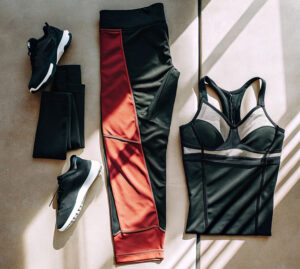
Are Leggings Unisex?
Leggings can be unisex, but most are designed with gender-specific features to ensure better fit, functionality, and comfort.
1. Unisex Leggings
- Some leggings are labeled as unisex, typically designed for general-purpose activities like yoga or casual wear.
- They tend to have a neutral fit, accommodating a range of body shapes and sizes.
2. Gender-Specific Differences
While leggings can be worn by anyone, men’s and women’s leggings typically differ in key areas to suit the needs of each gender.
| Aspect | Men’s Leggings | Women’s Leggings |
|---|---|---|
| Fit | Looser in the hip and thigh area. | Contoured to fit the curves of the hips and thighs. |
| Waistband Placement | Positioned lower for comfort. | Often sits higher to accommodate high-waisted styles. |
| Length and Style | Often full-length or cropped for athletics. | Includes a wide variety of lengths, such as ankle-length or capri. |
| Purpose | Designed primarily for performance and sports. | Focuses on both performance and fashion. |
Key Differences Between Men’s and Women’s Leggings

1. Fit and Cut
Men’s Leggings:
- Anatomical Design: Men’s leggings account for broader waists and slimmer hips.
- Room in Key Areas: Provides additional space around the groin for comfort and mobility.
- Tapered Fit: Slimmer around the calves and ankles for athletic activities.
Women’s Leggings:
- Curvier Fit: Contours the body, particularly around the hips, thighs, and waist.
- Compression Features: Offers a snug fit to enhance shape and support muscles during exercise.
- Stretch Fabrics: Prioritizes flexibility to accommodate various body types.
2. Waistband and Support
Men’s Leggings:
- Low-Rise Waistbands: Designed for comfort, often sitting lower on the hips.
- Elastic and Secure Fit: Ensures leggings stay in place during high-intensity movements.
Women’s Leggings:
- High-Rise Waistbands: Common for both fashion and functional purposes, providing tummy control and support.
- Wide and Adjustable Bands: Offer added stability and a smoother appearance under clothing.
3. Length and Style Options
Men’s Leggings:
- Athletic Focus: Primarily available in full-length or ¾-length styles for performance activities.
- Simplistic Designs: Typically solid colors or subtle patterns to emphasize practicality.
Women’s Leggings:
- Versatility: Includes a wide range of styles such as capri, ankle-length, or even shorts.
- Fashion-Oriented: Features bold patterns, colors, and design elements like mesh panels or lace.
4. Fabric and Performance
Men’s Leggings:
- Durable Materials: Fabrics like polyester and spandex blend for durability and sweat resistance.
- Moisture-wicking fabrics in athletic wear1: Prioritizes breathability for high-performance activities.
Women’s Leggings:
- Stretch and Comfort: Often softer and more flexible for daily wear.
- Fashion Fabrics: Includes cotton blends or textured materials for a stylish touch.
How to Choose the Right Leggings?
Whether you’re shopping for men’s or women’s leggings, there are universal factors to consider when selecting the perfect pair.

1. Activity Type
- Athletics: Opt for moisture-wicking and high-stretch fabrics.
- Casual Wear: Look for softer, more comfortable materials.
2. Fit and Comfort
- Ensure leggings don’t pinch or sag.
- Check the waistband for stability and flexibility.
- Refer to men’s leggings sizing tips2 for accurate measurements.
3. Style Preferences
- Choose lengths and designs that suit your taste and wardrobe needs.
- For men, simplistic designs may appeal more, while women might enjoy vibrant patterns or embellishments.
Can Men Wear Women’s Leggings (and Vice Versa)?
While men can wear women’s leggings and vice versa, the fit may not always align with anatomical differences.
Challenges:
- Women’s leggings may feel too tight in areas like the groin for men.
- Men’s leggings may lack the contoured fit women expect around the hips and waist.
Tips for Unisex Wear:
- Look for neutral-fit leggings designed for both genders.
- Are men’s leggings comfortable3? Choose leggings with a stretchy, adaptable fabric for maximum comfort.
The Rise of Leggings for Men
Leggings for men, often called “meggings,” are gaining popularity as more men embrace their comfort and functionality.
Popular Uses:
- Sports: Running, cycling, yoga, and gym workouts.
- Layering: Worn under shorts for additional warmth and compression.
- Athleisure: Integrated into casual, everyday wear.
Brands Catering to Men:
- Nike Pro Tights: Designed for performance, featuring compression and moisture-wicking.
- Under Armour HeatGear Leggings: Known for durability and athletic functionality.
- 2XU Compression Tights: Popular for recovery and muscle support.
Conclusion
While men’s and women’s leggings share similarities in functionality, their differences in fit, waistband design, and style cater to the unique needs of each gender. Leggings are not strictly unisex but can be worn by anyone with the right adjustments or preferences. As fashion evolves, differences between men’s and women’s leggings4 continue to bridge the gap between comfort, performance, and style, making them a versatile choice for all.