Skip to content
Breathability is one of the most important qualities to consider when selecting sportswear. During intense physical activities, keeping cool and comfortable is key to maintaining performance and avoiding discomfort. The right fabric can make a world of difference by allowing air circulation, wicking moisture, and reducing the buildup of heat and sweat.
The most breathable fabrics for sportswear include polyester1, nylon2, bamboo fabric3, and mesh blends4. These materials are specifically designed to manage moisture and enhance airflow, making them ideal for sports and active lifestyles.
This guide will explore the best breathable fabrics, their features, and how to choose the right material for your needs.
What Is the Best Breathable Material for Sports?
When it comes to sportswear, breathable materials must allow airflow, wick moisture effectively, and dry quickly. Here are the top options:
1. Polyester
Polyester is a synthetic fabric that has become a staple in sportswear for its exceptional performance properties.
Why polyester is breathable:
- Moisture-wicking: Draws sweat away from the skin, keeping the body dry.
- Quick-drying: Reduces dampness, preventing discomfort.
- Lightweight: Feels airy and doesn’t restrict movement.
- Customizable: Can be combined with other materials like spandex for added flexibility.
Best for: Running, gym wear, and team sports.
2. Nylon
Nylon is another synthetic fabric known for its softness, strength, and breathability.
Why nylon is breathable:
- Airflow: Allows air to pass through easily, keeping the body cool.
- Quick-drying: Prevents the fabric from feeling heavy or sticky.
- Durability: Handles intense activities and repeated washing without losing its properties.
Best for: Yoga, cycling, and racquet sports.
3. Bamboo Fabric
Bamboo fabric is an eco-friendly and natural alternative to synthetic materials, offering excellent breathability.
Why bamboo is breathable:
- Natural ventilation: The structure of bamboo fibers promotes airflow.
- Moisture management: Wicks sweat effectively while remaining soft.
- Anti-bacterial properties: Resists odors, keeping sportswear fresh.
Best for: Yoga, pilates, and light exercise.
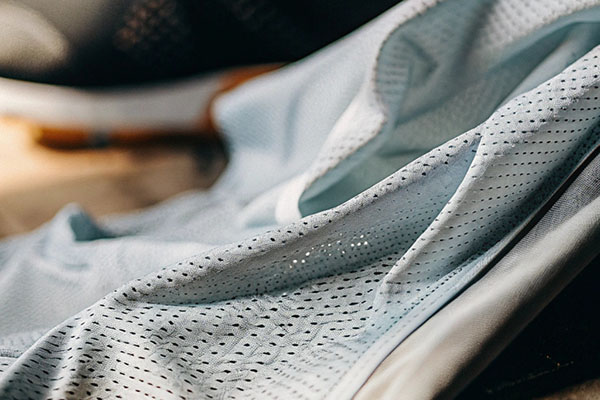
4. Mesh Fabrics
Mesh fabrics are a common choice for sportswear because of their open structure, which maximizes airflow.
Why mesh is breathable:
- Enhanced ventilation: The perforated design promotes airflow, preventing overheating.
- Lightweight: Feels barely there, making it ideal for high-intensity workouts.
- Versatility: Often combined with other fabrics to create ventilated panels.
Best for: Basketball jerseys, running tops, and warm-weather sportswear.
5. Cotton-Polyester Blends
While cotton is not typically breathable enough for sports, blending it with polyester enhances its functionality.
Why blends are breathable:
- Improved moisture-wicking: Polyester handles sweat while cotton adds softness.
- Balanced airflow: Provides better ventilation compared to pure cotton.
Best for: Athleisure and light outdoor activities.

Why Is Breathability Important in Sportswear?
Breathability is more than just a comfort feature; it directly impacts athletic performance and recovery.
1. Regulates Body Temperature
During workouts, breathable fabrics help release excess heat, preventing overheating and ensuring consistent performance.
2. Prevents Sweat Buildup
Moisture-wicking materials draw sweat away from the skin, reducing the risk of chafing, irritation, or rashes.
3. Enhances Comfort
Lightweight and airy fabrics minimize distractions, allowing athletes to focus on their activities.
4. Reduces Odor
Breathable fabrics with anti-bacterial properties resist the growth of odor-causing bacteria, keeping sportswear fresh.
Comparing Breathable Fabrics for Sportswear
| Fabric | Breathability | Moisture-Wicking | Best For |
|---|---|---|---|
| Polyester | Excellent | High | Running, gym, team sports |
| Nylon | Very good | High | Yoga, cycling, racquet sports |
| Bamboo Fabric | Excellent | Medium | Yoga, pilates, light exercise |
| Mesh Fabrics | Exceptional | High (when blended) | Basketball, running |
| Cotton-Polyester | Moderate | Medium to High | Athleisure, casual sportswear |

Specialized Fabrics for Extreme Conditions
In some cases, sportswear requires additional features to enhance breathability and performance in extreme environments.
1. Gore-Tex
A waterproof yet breathable material, Gore-Tex5 is ideal for outdoor sports in wet or windy conditions.
2. Smart Fabrics
Emerging technologies include fabrics embedded with sensors that adapt to body temperature or measure sweat levels.
Tips for Choosing Breathable Sportswear
1. Match Fabric to Activity
- For high-intensity activities: Choose moisture-wicking fabrics like polyester or nylon.
- For light workouts: Opt for bamboo or cotton-polyester blends.
2. Consider the Climate
- In hot weather: Mesh or lightweight polyester offers maximum airflow.
- In cool weather: Look for fabrics with insulation and breathability, such as merino wool blends.
3. Test for Comfort
Always try on sportswear to ensure the fabric feels breathable and doesn’t cling to the skin uncomfortably.
Trends in Breathable Sportswear Fabrics
The sportswear industry is constantly evolving with innovations in fabric technology.
1. Sustainable Materials
Eco-conscious consumers are driving demand for breathable, sustainable fabrics like recycled polyester and organic bamboo.
2. Odor-Resistant Fabrics
Many breathable materials now incorporate anti-bacterial treatments to combat odor during and after workouts.
3. Performance-Enhancing Features
Advanced materials offer UV protection, compression benefits, and even cooling effects, making them ideal for professional athletes.
Conclusion
The best breathable fabric for sportswear depends on the activity, climate, and personal preference. Polyester, nylon, bamboo fabric, and mesh blends are among the top choices, offering moisture-wicking, quick-drying, and ventilation features. Whether you’re designing a new sportswear line or choosing apparel for your workout, prioritizing breathability ensures optimal comfort and performance. By understanding the unique properties of these materials, you can make informed decisions that support an active lifestyle.
-
Discover how polyester’s moisture-wicking and airflow properties make it ideal for sports. ↩
-
Learn why nylon’s strength and breathability are suited for activewear. ↩
-
Explore how bamboo fabric combines eco-friendliness with breathability for sportswear. ↩
-
Understand how mesh fabrics enhance ventilation and reduce overheating during workouts. ↩
-
Learn how Gore-Tex provides breathable and waterproof solutions for outdoor sportswear. ↩